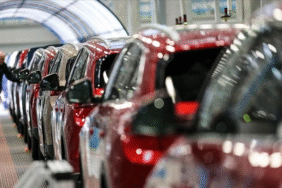

The Turkish automotive market witnessed a noticeable shift in July, as new data from the popular car listing platform arabam.com revealed a significant increase in consumer interest toward second-hand vehicles. The trend was largely fueled by the recent adjustments to the Special Consumption Tax (ÖTV) regulations, which altered the price dynamics between new and used cars.
With rising prices in certain new car models, particularly those affected by the updated tax brackets, buyers began seeking more affordable options in the second-hand market. This shift not only influenced purchasing behavior but also impacted overall market activity, signaling potential long-term changes in consumer preference.

How ÖTV Adjustments Impacted the Market
The ÖTV, a tax that plays a major role in determining the retail price of vehicles in Türkiye, has always been a critical factor in shaping automotive demand. The recent restructuring of the tax thresholds altered the affordability of many popular models, narrowing the price gap between new and used cars.
According to arabam.com CEO Önder Oğuzhan, the new tax structure led to higher prices for models that previously benefited from a lower tax rate. This made them less appealing to cost-conscious buyers, who then turned to the second-hand market for better deals. As a result, the used car sector experienced a surge in inquiries and transactions, adding momentum to an already active market segment.
The Price Adjustment Effect
While the second-hand market saw more traffic, price behavior displayed an interesting pattern. Nominal listing prices for used cars in July recorded a slight increase, reflecting the rise in demand. However, when adjusted for inflation, real prices still showed a downward trend, albeit at a slower pace compared to previous months.
This moderation in price declines suggests that the market is finding a temporary balance, as higher demand prevents further steep drops while economic conditions continue to apply downward pressure. It also indicates that buyers are still price-sensitive, and sellers are adjusting accordingly to stay competitive.
Seasonal and Campaign-Driven Trends
July’s activity was partly influenced by promotional campaigns in the new car market, which are expected to wind down in August. Oğuzhan predicts that once these campaigns end, the flow of buyers into the second-hand market will remain strong, sustaining the current momentum.
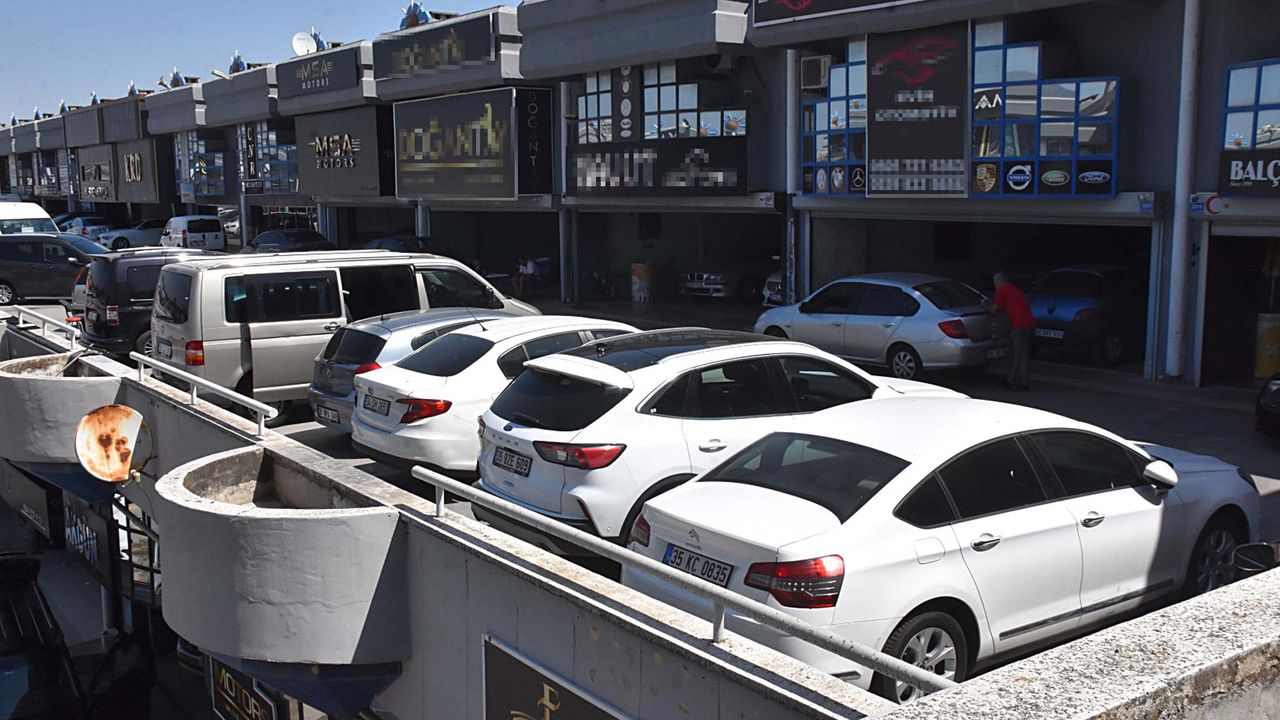
Historically, seasonal factors also play a role in second-hand vehicle sales. The summer months often see increased transactions due to travel needs, holiday plans, and a general boost in consumer activity. Combined with the effects of the ÖTV regulation, this seasonal uptick has created a unique opportunity for used car dealers and private sellers.
Consumer Psychology and Market Behavior
One of the notable outcomes of the recent developments is the shift in consumer mindset. For years, owning a new car in Türkiye has been seen as a status symbol, even at the cost of higher financing burdens. However, with price differences shrinking and financial conditions tightening, buyers are increasingly prioritizing value over novelty.
This change in perception could have lasting effects. If the tax structure continues to make new cars less attainable for the average buyer, the second-hand market may become the primary arena for automotive transactions. Industry analysts suggest that this could lead to a more mature used car sector, with better vehicle quality, transparent pricing, and professionalized dealer practices.
Economic Context and Long-Term Outlook
Türkiye’s automotive sector operates in a broader economic environment characterized by high inflation, fluctuating currency values, and shifting consumer confidence. These factors amplify the effects of policy changes like the ÖTV adjustment.
If inflationary pressures persist, maintaining purchasing power will be a key concern for consumers. Second-hand vehicles offer a practical solution, especially for those needing reliable transportation without the financial strain of a new car purchase. However, supply constraints, particularly for newer-model used cars, could lead to price pressures in the coming months.
Industry experts also note that the transition toward electric vehicles (EVs) could influence this market dynamic. While EV adoption in Türkiye is still in its early stages, upcoming tax policies and incentive programs may eventually alter both new and used car segments. For now, petrol and diesel-powered second-hand vehicles remain dominant, but the seeds of change are being planted.
Implications for Sellers and Buyers
For sellers, the current climate offers a favorable window to list vehicles, especially those in good condition and popular models with strong resale value. The increased buyer interest means well-maintained cars can sell quickly at competitive prices.
For buyers, while the second-hand market presents more options than before, due diligence is essential. The rise in demand can sometimes attract opportunistic pricing, so thorough market research, vehicle inspections, and comparison shopping remain crucial.
Looking Ahead for Türkiye’s Car Market
The coming months will serve as a critical test for the sustainability of this second-hand surge. If new car prices remain high and financing costs stay elevated, the used car market could continue its upward trajectory well into the next year.
However, any new regulatory shifts, particularly in tax policy or import rules, could change the dynamics once again. Stakeholders across the automotive value chain—from manufacturers to dealers—will be watching closely to see how consumers adapt in this evolving environment.
As Türkiye navigates this period of economic adjustment, the second-hand automotive market stands out as a resilient and adaptive segment, offering both challenges and opportunities for industry players. Whether this momentum becomes a long-term structural change or a temporary response to tax policy will depend on how economic conditions and consumer priorities evolve in the months ahead.