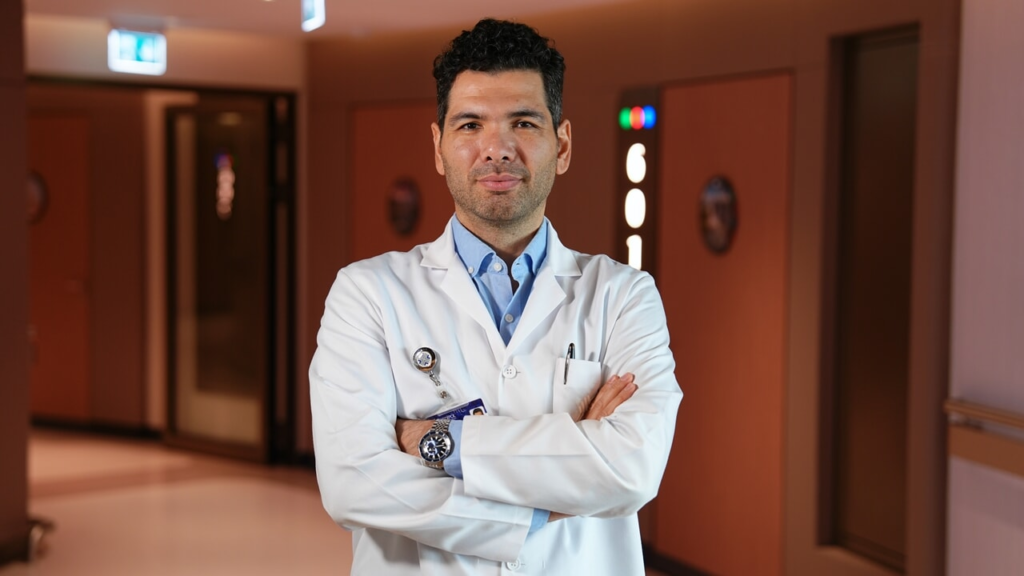

Appendiceal cancer, a rare and often overlooked type of tumor, is gaining attention among medical professionals in Türkiye due to a concerning rise in cases, particularly among younger adults. Recent clinical observations suggest that individuals born between 1980 and 1985 are experiencing a three to fourfold increase in incidence, according to Associate Professor Hüsnü Aydın, a general surgery specialist at Medipol Acıbadem Regional Hospital.
This growing health issue not only highlights the importance of early detection but also underscores a broader need for awareness and vigilance regarding subtle yet dangerous conditions affecting the digestive system.

Appendiceal Tumors Often Go Undetected Until Surgery
One of the most alarming aspects of appendiceal cancer is its silent progression. Most cases are discovered accidentally during surgeries performed for presumed acute appendicitis. What starts as a routine emergency operation can quickly evolve into a more complex medical scenario once pathology reports reveal malignancy.
Dr. Aydın emphasizes that patients must be informed about their post-operative pathology results, and healthcare providers should closely examine these reports to avoid missed or delayed diagnoses. In many situations, the diagnosis of cancer is not even considered until after the appendix is surgically removed and examined under a microscope.
Neuroendocrine Tumors More Common Among Young Adults
Appendiceal cancers can manifest in several subtypes, each with different clinical behaviors and prognostic implications. The three most common forms seen in clinical settings are neuroendocrine tumors, adenocarcinomas, and mucinous neoplasms.
Neuroendocrine tumors, the most frequently diagnosed subtype, are particularly prevalent among younger individuals and tend to have a more favorable prognosis. These tumors usually grow slowly and respond better to treatment, offering hope for younger patients.
Conversely, adenocarcinomas are typically diagnosed in older age groups and exhibit more aggressive behavior. Mucinous tumors, on the other hand, secrete mucus that can spread across the peritoneum, leading to a rare but severe condition known as pseudomyxoma peritonei.
Standard Appendectomy May Not Be Enough
While a standard appendectomy (removal of the appendix) may be sufficient in early-stage appendiceal cancers, it is not always the definitive treatment. In some patients, remnants of the tumor may remain in the abdominal cavity, particularly in the appendiceal stump, a small section of the organ left behind during surgery.
This residual tissue can harbor cancerous cells, increasing the risk of recurrence. In mucinous tumors, the danger of peritoneal spread necessitates close monitoring and, in many cases, additional surgical or oncological intervention. Adenocarcinomas can also metastasize to lymph nodes and nearby intestinal tissues.
Dr. Aydın strongly advocates for all patients diagnosed with appendiceal cancer to be evaluated by a multidisciplinary tumor board. This panel typically includes surgeons, oncologists, and pathologists who collaboratively develop a personalized treatment plan based on tumor type, stage, and spread.
Rising Incidence in Türkiye Raises Questions
Although appendiceal cancer remains rare compared to other gastrointestinal cancers, the rising trend among younger adults in Türkiye is cause for concern. While comprehensive national statistics are not yet available, regional observations and hospital data indicate a consistent increase in such cases over the past decade.
Experts are currently exploring various potential factors, including genetic predispositions, environmental exposures, dietary influences, and the role of gut microbiota. Lifestyle changes in recent generations, such as increased consumption of processed foods and sedentary habits, may also contribute to the increased cancer risk.
Moreover, improved diagnostic techniques and heightened awareness among clinicians have likely led to more frequent detection, particularly of tumors that would have gone unnoticed in previous decades.

Early Detection Offers the Best Hope
In all types of cancer, early diagnosis dramatically improves treatment outcomes, and appendiceal cancer is no exception. Recognizing subtle symptoms such as unexplained abdominal pain, changes in bowel habits, or signs of localized inflammation can prompt further investigation before the condition becomes severe.
Routine imaging may not always detect appendiceal tumors unless they have grown significantly or caused secondary complications. Therefore, pathology examinations of appendectomy specimens play a critical role in identifying cancers early.
Patients undergoing surgery for suspected appendicitis should be made aware of the possibility of incidental findings, and healthcare providers must ensure that biopsy results are clearly communicated and followed up with appropriate consultations if malignancy is discovered.
Tailored Treatment and Follow-Up Are Essential
Treatment strategies vary depending on the type and stage of the appendiceal cancer. In early-stage neuroendocrine tumors smaller than two centimeters, appendectomy may be sufficient. However, for larger or more invasive tumors, more extensive procedures like right hemicolectomy—removal of part of the colon—may be required.
Patients with mucinous tumors may need additional procedures to remove mucus buildup in the abdominal cavity, while those with adenocarcinomas often require a combination of surgery, chemotherapy, and long-term surveillance.
Long-term follow-up is essential in all cases to monitor for recurrence and manage potential complications. Given the rarity of the disease, treatment should ideally be conducted at specialized centers with experience in managing complex gastrointestinal cancers.
Raising Public Awareness Can Save Lives
Despite its rarity, appendiceal cancer is a condition that deserves more public and professional attention. Delayed diagnosis can lead to complications, increased treatment burdens, and decreased survival rates. Public education campaigns, especially targeting younger populations, can play a pivotal role in early detection and prevention.
Medical schools and healthcare systems in Türkiye are also being encouraged to enhance their training programs to include awareness about rare but clinically significant diseases such as appendiceal tumors. Pathology departments are being urged to refine their reporting practices to flag atypical findings promptly.
Collaborative Healthcare is Key
Dr. Aydın underscores the importance of collaboration across various medical disciplines. From surgeons and radiologists to oncologists and pathologists, each specialty has a vital role in ensuring that patients receive the most effective care.
Multidisciplinary tumor boards not only improve decision-making but also provide psychological comfort to patients, knowing that their case is being evaluated by multiple experts. This collaborative model is increasingly becoming the gold standard in Türkiye and around the world for cancer care.
An Emerging Focus in Digestive Oncology
As the medical community in Türkiye continues to confront the challenges posed by rare cancers, appendiceal tumors are gaining more visibility. With advancements in diagnostic methods, increased training, and patient advocacy, the hope is that survival rates will continue to improve.
In the coming years, it is anticipated that national health agencies and academic institutions will invest more resources into studying the epidemiology, pathology, and treatment outcomes of this little-known but dangerous condition.
As always, awareness, education, and early intervention remain the most effective weapons in the fight against cancer, no matter how rare.