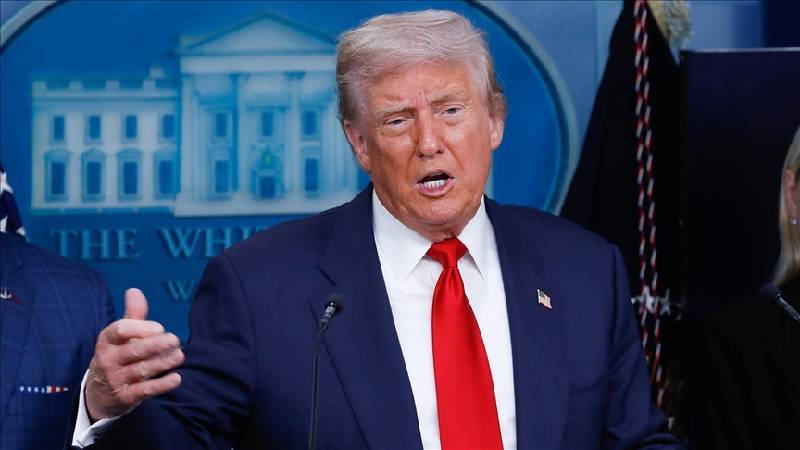

During a press briefing held in the Oval Office, US President Donald Trump publicly expressed his desire for international journalists to be granted access to Gaza, a region that has been the center of both military conflict and severe information blackouts in recent months. The statement, though brief, signals a potentially significant shift in diplomatic tone regarding freedom of the press and transparency in conflict zones.
A Clear Call for Transparency
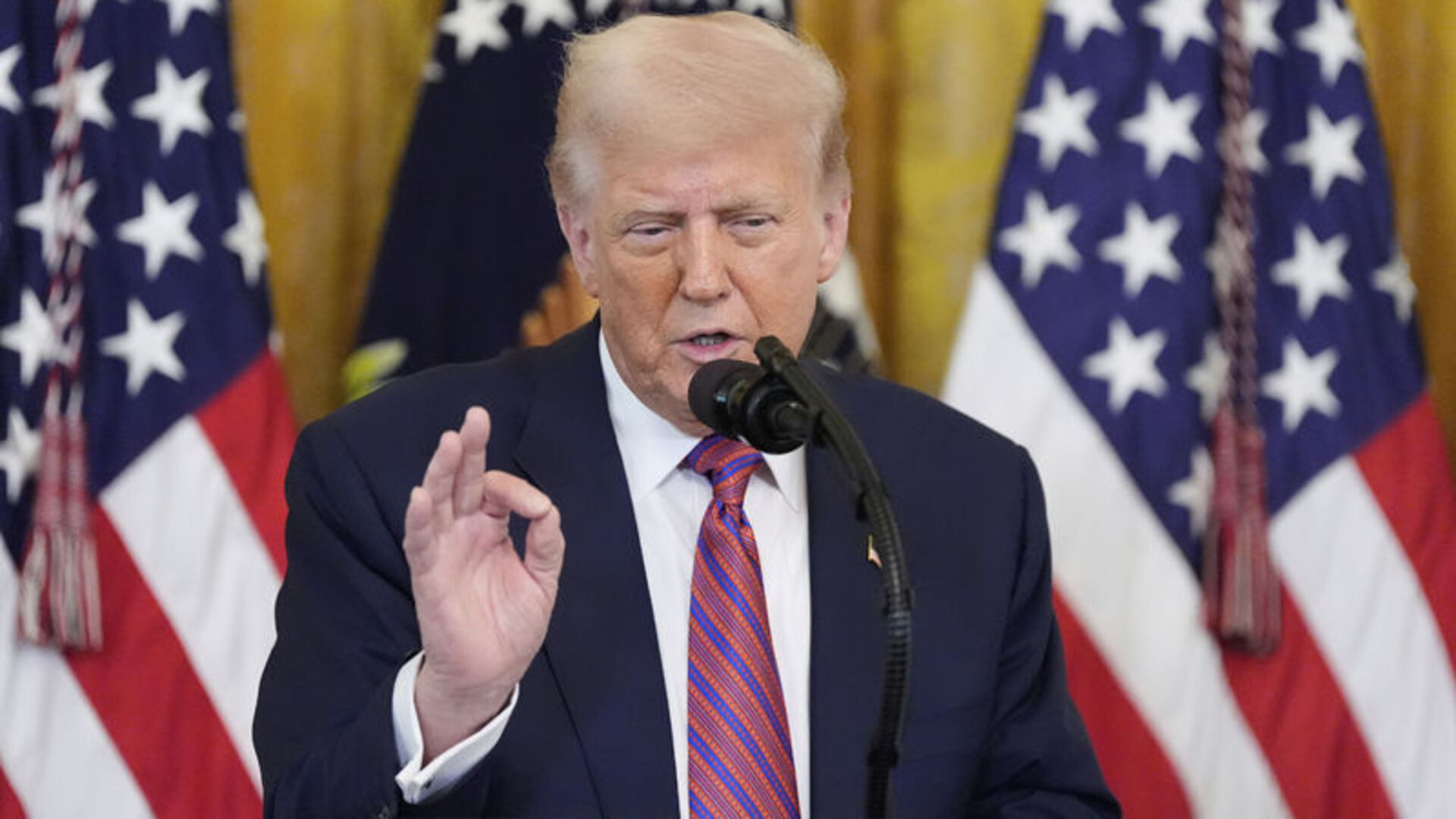
Responding to a reporter’s question about whether the United States would pressure Israel to allow journalists into Gaza, Trump replied with characteristic directness: “I would like to see that happen. I have no objection to journalists going in. If you’re a journalist, it may be dangerous to do interviews there, you know that. But yes, I would like to see that.”
His answer may have been casual in tone, but the message resonates powerfully across the international media landscape. In an era where disinformation and propaganda often outpace verified facts, the ability for journalists to access areas of conflict is a key pillar of democratic accountability.
Media Access to Gaza: A Longstanding Concern
Access to Gaza has long been a contentious issue. Due to security concerns and political sensitivities, Israel has imposed significant restrictions on international media attempting to report from inside the blockaded Palestinian enclave. Human rights groups and press freedom advocates have repeatedly criticized the lack of transparency and independent reporting from within the region, especially during times of heightened military activity.
These restrictions not only hinder the international community’s understanding of what is happening on the ground but also prevent local voices from being amplified through global news networks.
The Risk to Journalists Is Real
While Trump acknowledged that reporting from Gaza can be dangerous, his statement underscores the importance of allowing independent media to witness and document events firsthand. Over the years, many journalists—both international and local—have risked their lives to report from the region, with some paying the ultimate price.
War correspondents and investigative journalists working in Gaza face a unique blend of hazards, including airstrikes, urban warfare, surveillance, and political retaliation. Despite these risks, many continue to advocate for open access, emphasizing that journalism plays a vital role in conflict resolution, humanitarian response, and post-conflict accountability.
Why Trump’s Comment Matters Now
Trump’s remarks come at a time when global scrutiny of the situation in Gaza has intensified. With rising civilian casualties, infrastructure collapse, and growing concerns over international law violations, the demand for impartial, on-the-ground reporting has never been more urgent.
Moreover, Trump’s statement could potentially influence US foreign policy stances or future diplomatic negotiations involving Israel. While he stopped short of saying he would apply direct pressure, the president’s willingness to publicly support media access could add weight to the voices of advocates and civil society organizations urging transparency.
Türkiye’s Position and Regional Implications
Türkiye, a key regional actor, has consistently emphasized the importance of humanitarian access and independent monitoring in Gaza. Ankara has often criticized the international community for remaining silent on the issue of press freedom and the blockade’s impact on civilians. If Trump’s comments lead to broader discussions at multilateral forums such as the UN or the OSCE, Türkiye may find renewed support in its longstanding position.
Balancing National Security and Press Freedom
The Israeli government has traditionally cited national security concerns when limiting journalist access to Gaza. Military operations, Hamas presence, and infrastructure fragility are all cited as justifications for the restrictions. Yet, critics argue that such constraints can also be politically motivated, aimed at controlling the narrative and limiting exposure to potential rights violations.
Striking a balance between ensuring journalist safety and upholding the principles of free press is a complex task, but one that democracies must strive to achieve. Trump’s comment opens the door—however slightly—for reconsidering that balance.
A Test for Democratic Values
Freedom of the press remains a fundamental component of open societies. By supporting journalist access to Gaza, Trump inadvertently reinforces this value on an international stage. The true test will be whether this statement is followed by diplomatic actions or remains a one-off comment.
If implemented effectively, even limited media access to Gaza could improve transparency, bolster humanitarian efforts, and provide a more nuanced understanding of the region’s challenges.
What Comes Next
Observers will now watch closely to see whether Trump’s administration—or any subsequent US administration—acts on this sentiment. Possible actions could include:
Quiet diplomatic talks with Israeli officials about loosening restrictions
Support for press freedom resolutions at the United Nations
Funding and logistical support for journalist safety programs
Partnership with NGOs to provide training and protection for local reporters in conflict zones
Each step would signal a move toward restoring trust in international media reporting and reasserting the importance of fact-based journalism in conflict resolution.
The Broader Impact on Journalism
In a world where conflict narratives are often dominated by official statements and government-aligned media, the ability of independent journalists to access and report from places like Gaza is more important than ever. Trump’s words, whether intentional or spontaneous, contribute to a larger conversation about how the world values and protects those who seek to tell the truth—even when it’s inconvenient.
Ending the Silence
Ultimately, allowing journalists into Gaza is not just about news coverage. It’s about honoring the public’s right to know, supporting democratic accountability, and ensuring that history is written with more than one perspective. President Trump’s support for that ideal, however subtle, could play a small but meaningful role in moving the needle.
If that happens, the international community—along with Türkiye and other regional stakeholders—will have an opportunity to push for a new era of openness in a region too often shielded from the world’s eyes.