
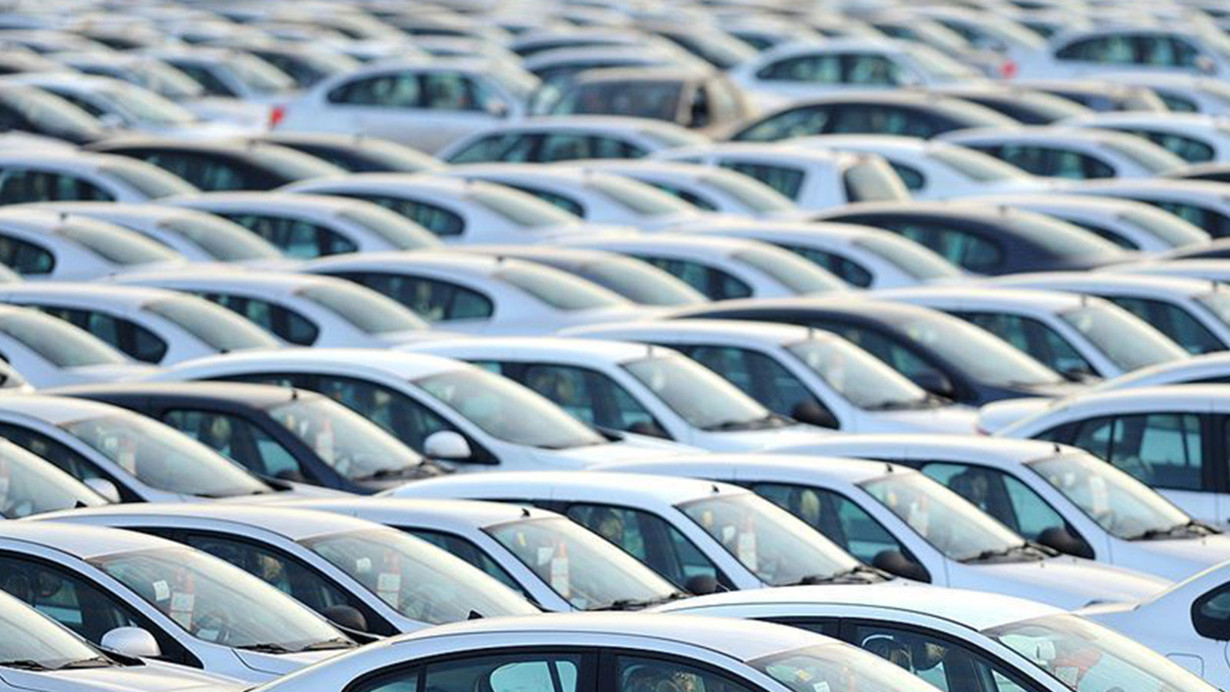
Türkiye’s automotive sector has once again demonstrated its global competitiveness by exporting $6.31 billion worth of passenger cars to 77 countries during the first half of 2025, according to figures compiled from Uludağ Automotive Industry Exporters’ Association (OİB).
This performance not only underscores Türkiye’s strength in vehicle manufacturing and trade, but also reflects increasing demand across European Union markets, where Turkish-made cars continue to gain ground.
Passenger car exports accounted for a significant 31.6% share of Türkiye’s total automotive exports during the January–June period, contributing to an overall automotive export value of $19.98 billion — a critical sector for the national economy and industrial output.
Growth Trends in Türkiye’s Automotive Export Sector
Compared to the same period in 2024, Türkiye’s passenger car exports rose by 12%, up from $5.64 billion to $6.31 billion. This upward trend suggests that Türkiye otomotiv ihracatı 2025 is on track to surpass previous annual records.
This surge is driven by both:
Resilient demand in core EU markets, and
Türkiye’s strategic positioning as a nearshore manufacturing hub for Europe, especially in an era of supply chain recalibration.
Where Turkish Cars Are Going
At the top of the list is France, Türkiye’s second-largest export market in the automotive sector. Passenger car exports to France grew by 6.3% compared to the first half of last year, rising from $1.02 billion to $1.08 billion.
France’s steady demand for Türkiye-manufactured vehicles reflects both brand trust and Türkiye’s capability to deliver mid-range, fuel-efficient vehicles that comply with EU environmental standards.
Spain took the second spot, showing the largest proportional growth among major markets. Exports to Spain rose from $618 million to $784 million, a 26% increase that highlights the expanding role of Turkish OEMs in southern Europe.
Italy, while still a top destination, saw a slight decline, with exports dropping from $710 million to $703 million.
The UK and Germany completed the top five:
United Kingdom: $665.6 million
Germany: $565 million
This reflects Türkiye’s strong relationships with both legacy and emerging EU+ markets.
The Surprising Star of 2025
One of the most striking data points came from Slovenia, which saw a 144% surge in imports of Turkish passenger cars. Exports to Slovenia jumped from $189 million to $462 million, moving the country into sixth place among Türkiye’s top automotive export partners.
Analysts attribute this to:
Supply constraints among domestic and German manufacturers,
Türkiye’s competitive pricing,
Shorter delivery timelines and faster logistical turnaround compared to Asian producers.
Slovenia’s rise serves as a clear example of how Türkiye is benefiting from shifts in European automotive supply chains in the post-pandemic and post-Brexit economic landscape.
The Remaining Top 10 Destinations
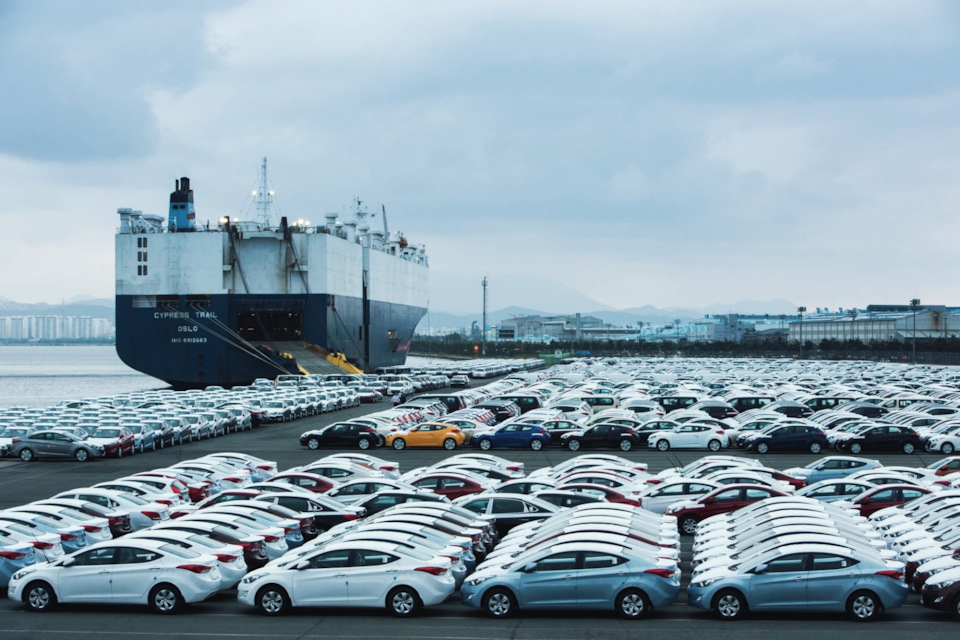
Rounding out the top 10 for Türkiye otomotiv pazarı in 2025:
Poland – $395 million
Belgium – $287 million
Portugal – $149 million
Greece – $125 million
Interestingly, 9 out of the top 10 countries are members of the European Union, reaffirming the bloc’s role as Türkiye’s primary export market for automotive products.
Why Türkiye Remains a Dominant Auto Exporter
Türkiye’s prominence in passenger car exports stems from several competitive advantages:
Modernized manufacturing infrastructure with advanced automation,
Deep integration of global automotive supply chains,
Skilled labor at competitive wages,
Preferential trade access to the EU Customs Union,
Commitment to evolving emission and safety regulations aligned with Europe.
Moreover, Türkiye’s strategic location allows it to act as a production and export bridge between Europe, Asia, and the Middle East.
Fuel Efficiency, Quality Standards, and Regulatory Compliance
Most of the exported vehicles are known for:
Fuel-efficient internal combustion engines,
Expanding portfolios in mild hybrids and EV variants,
Compliance with Euro 6/7 standards and advanced ADAS safety features.
This allows Turkish manufacturers and joint ventures (such as Oyak-Renault, Ford Otosan, Tofaş, and Hyundai Assan) to compete head-to-head with Western European producers.
Future Outlook: What’s Next for Türkiye Otomotiv İhracatı?
Looking ahead, experts project:
A potential total automotive export value of over $40 billion by year-end if current momentum continues,
Rising share of electric vehicle exports, especially as Türkiye’s TOGG enters EU markets,
Expansion into North African and Gulf states, diversifying beyond the EU.
Additionally, the rise in Türkiye’s battery supply chain investments, such as localized lithium-ion production, may strengthen future EV competitiveness.
Türkiye Strengthens Its Role as Europe’s Factory Floor
Türkiye’s performance in passenger car exports during the first half of 2025 reflects not just economic resilience but also strategic foresight. As global automakers grapple with rising costs, labor shortages, and supply disruptions, Türkiye continues to offer a reliable and cost-effective alternative.
With new models rolling off lines in Bursa, Kocaeli, and Sakarya, and growing demand from EU partners, Türkiye otomotiv ihracatı 2025 is not just about numbers — it’s about a sustainable, forward-looking industrial policy with real global impact.