

Türkiye’s national security agenda took a dramatic turn this week as the İstanbul Chief Public Prosecutor’s Office launched a major operation targeting prominent business conglomerate ASSAN Group. The investigation, rooted in allegations of military espionage and suspected links to the Fethullah Terrorist Organization (FETÖ), has resulted in the detention of the group’s top executives and the seizure of several affiliated companies.
According to an official statement, the operation is part of an expanding series of military espionage probes that have gained momentum in recent months. The new developments are expected to spark broader discussions about corporate accountability, the influence of clandestine networks, and Türkiye’s resilience against infiltration attempts.
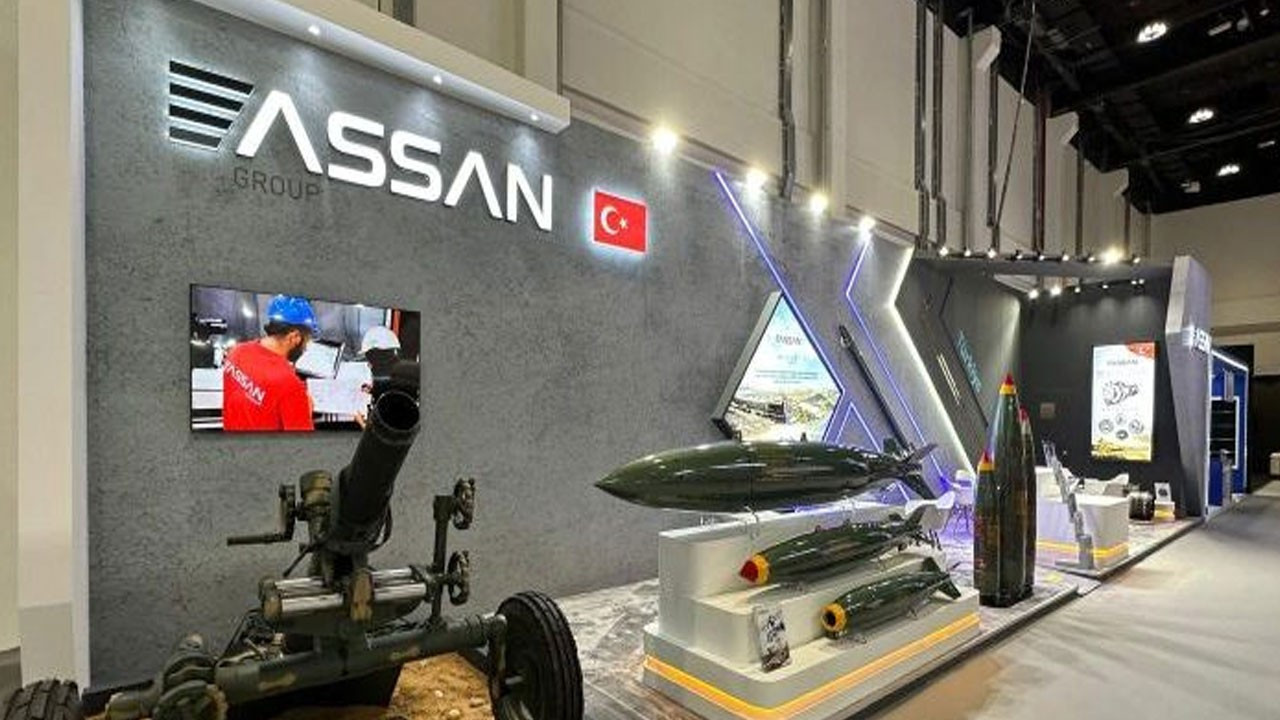
Corporate Leadership Detained in Espionage Investigation
As the investigation unfolded, two key figures were taken into custody: Emin Öner, owner of ASSAN Group, and Gürcan Okumuş, the company’s general manager. Both individuals are being held under suspicion of “membership in an armed terrorist organization” and “engaging in military espionage.”
Authorities stated that intelligence gathered during the ongoing investigation confirmed operational ties between the accused and FETÖ, an outlawed organization identified by the Turkish government as the orchestrator of the failed 2016 coup attempt. Investigators assert that the pair’s activities extended beyond ideological support and into direct acts that endangered national security.
Search operations were promptly conducted at the homes and offices of the suspects, with digital evidence and documentation being collected as part of the legal proceedings.
State Fund Appointed as Trustee Over 10 Companies
In parallel to the arrests, the Savings Deposit Insurance Fund (TMSF) was appointed as trustee to oversee 10 companies operating under the ASSAN Group umbrella. This strategic move ensures the continuity of business operations while preventing further potential misuse of company assets.
The prosecutor’s office noted that the sectors in which these companies operate are considered sensitive to national interests, warranting swift and decisive intervention.
The appointment of TMSF reflects Türkiye’s broader policy of institutional intervention in cases where corporate entities are suspected of acting against the state’s interests. It also seeks to protect the rights of innocent employees and stakeholders during legal proceedings.
A Closer Look at ASSAN Group’s Strategic Importance
ASSAN Group, a diversified enterprise with interests spanning defense-adjacent industries, logistics, and engineering, has long been on the radar due to its operational footprint in sectors relevant to national infrastructure. Though the company had maintained a low public profile, its involvement in procurement and logistics networks made it a focal point for recent counterintelligence audits.
Analysts suggest that the strategic nature of the group’s business interests may have made it a viable channel for information leaks or covert collaboration with hostile elements.
The potential misuse of corporate frameworks for intelligence gathering is not a new concern in Türkiye. However, the gravity of this case—combined with its connections to an internationally recognized terror organization—elevates its national significance.
National Security and Espionage: A Widening Threat Landscape
Türkiye has long warned of hybrid threats—those that combine elements of cyber warfare, economic sabotage, and intelligence infiltration. As modern-day espionage evolves beyond traditional state actors, corporations are increasingly becoming both tools and targets.
This latest development underscores the complexity of identifying non-conventional threats operating through legitimate-seeming entities. It also illustrates the government’s sharpened focus on countering espionage and dismantling any remaining structures associated with FETÖ.
The statement from the prosecutor’s office reiterated that the investigation into ASSAN Group is “ongoing and multidimensional.” Legal experts expect that additional suspects and affiliated individuals may come under scrutiny as the digital forensic analysis progresses.
Legal Proceedings and Due Process
While the charges are severe, Turkish law guarantees that the suspects are presumed innocent until proven guilty. They will be subjected to judicial review, and formal indictments are expected to be filed once the evidence has been fully assessed.
Nevertheless, the case is likely to draw attention beyond legal circles. Given the high profile of the company and the politically charged nature of the allegations, public discourse around the rule of law, transparency, and corporate ethics is likely to intensify.
Civil rights organizations and legal observers are also expected to monitor developments closely to ensure that due process is upheld throughout the legal process.

Implications for the Business Sector in Türkiye
The incident serves as a stark reminder for businesses operating in Türkiye of the importance of corporate transparency and compliance. Companies are now more likely than ever to face heightened scrutiny regarding their links, partnerships, and even recruitment practices.
In recent years, the Turkish government has ramped up efforts to cleanse state and private institutions of elements associated with FETÖ. These efforts have led to numerous dismissals, arrests, and asset seizures across a range of sectors, including education, media, and now—corporate logistics and technology.
For ethical and compliant firms, these actions may help level the playing field by penalizing those who operate through covert affiliations or act in opposition to national interests.
Public Reaction and Media Discourse
Initial public reaction to the case has been polarized. While many citizens applaud the state’s vigilance in defending national security, others express concern over the lack of detailed evidence made public so far. Some critics warn of the potential for such investigations to become politicized, especially in an environment where national security is a sensitive and often polarizing topic.
Regardless of differing opinions, the case has undeniably reignited debates about Türkiye’s ongoing battle with FETÖ-linked networks and the broader issue of military and economic espionage in the digital age.
The Bigger Picture: Security, Stability, and Sovereignty
Beyond the courtroom, the investigation into ASSAN Group speaks to Türkiye’s larger effort to safeguard its sovereignty in an increasingly complex geopolitical environment. As hybrid warfare and clandestine influence campaigns become more sophisticated, the country is reinforcing its legal and institutional frameworks to protect against both foreign and domestic threats.
While the full scope of the case has yet to unfold, it stands as a clear message to organizations that national security violations—regardless of their form—will be pursued with determination and legal rigor.