
Türkiye has rapidly positioned itself among the top European markets for electric vehicles, fueled by both strong consumer demand and expanding infrastructure. According to data covering the first seven months of 2025, Türkiye now ranks fourth in Europe in terms of electric car sales, reflecting the country’s accelerating transition toward cleaner and more sustainable mobility solutions.

A Surge in Electric Vehicle Sales
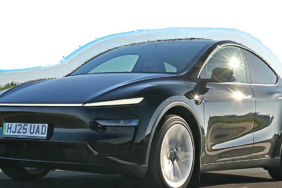
Between January and July 2025, a total of 102,160 fully electric cars were sold in Türkiye. This figure represents a remarkable leap compared to previous years, pushing the share of electric vehicles to 17.9 percent of the overall passenger car market. The pace of growth places Türkiye firmly within Europe’s top tier, surpassing many long-established automotive markets.
Industry analysts highlight that this milestone underscores how quickly consumer behavior in Türkiye has adapted to the global shift toward electrification. While just a few years ago electric cars represented only a niche market, they now account for nearly one-fifth of all new vehicle purchases in the country.
The Impact of Tax Policy and Market Outlook
In July, the Turkish government introduced an increase in the Special Consumption Tax (ÖTV) for electric cars, raising concerns about its potential to slow momentum. Market observers note that while the adjustment may trigger a short-term dip in demand, it is unlikely to derail the overall upward trajectory.
Forecasts suggest that Türkiye’s electric vehicle market could close 2025 with sales of around 180,000 units and a market share exceeding 20 percent. Such performance would not only solidify Türkiye’s status as a major European player but also set a precedent for sustainable growth despite regulatory adjustments.
Why the Market is Growing So Rapidly
Several interlinked factors are driving the strong expansion of Türkiye’s electric vehicle market:
Rising fuel prices have made electric alternatives increasingly attractive to cost-conscious drivers, accelerating the shift toward battery-powered mobility.
Wider model diversity has also contributed to consumer adoption. Global manufacturers as well as domestic players like Togg have introduced new models across different price segments, making electric cars accessible to a broader demographic.
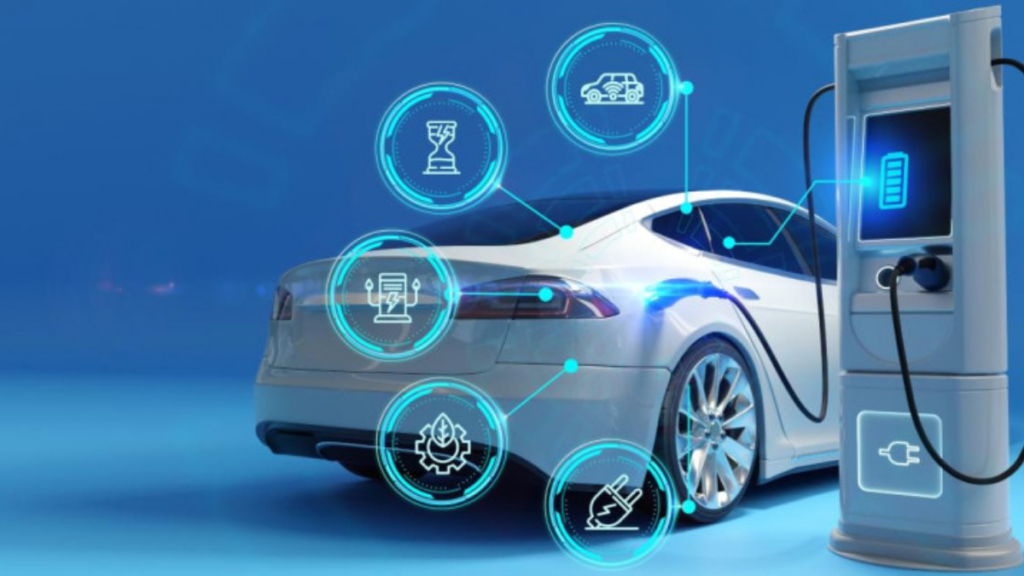
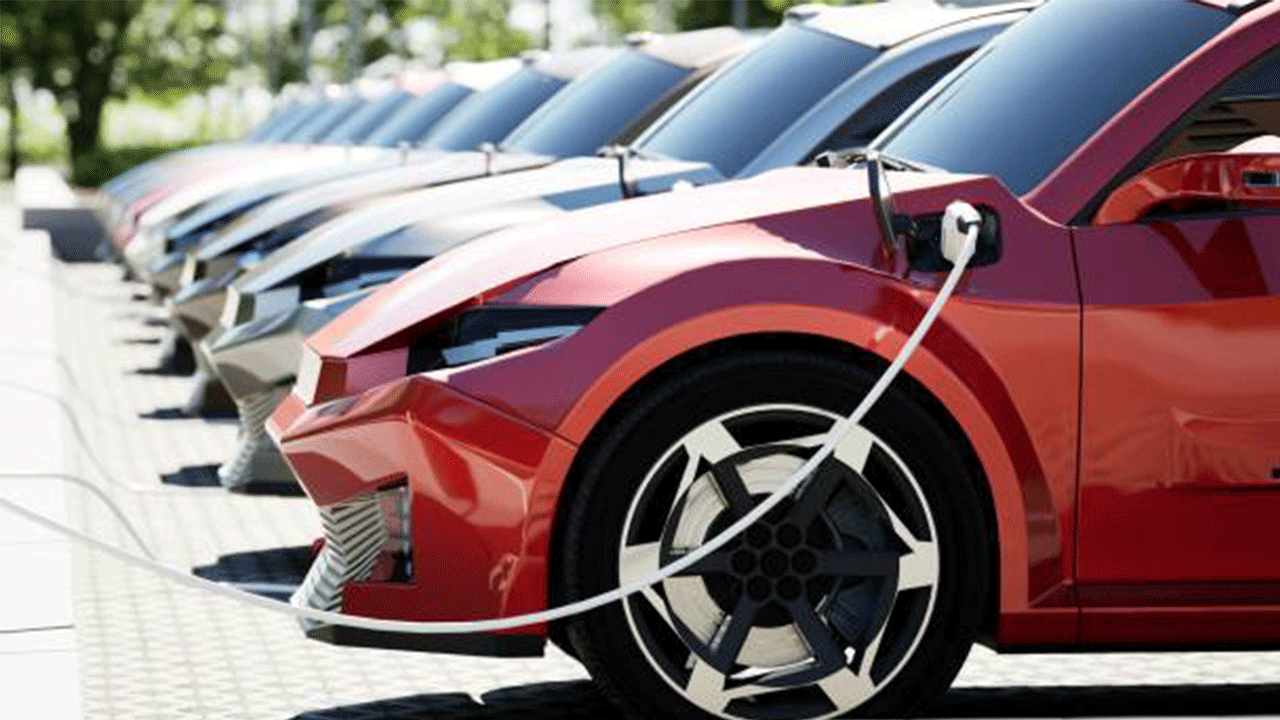
Expanding charging infrastructure remains another critical factor. According to Energy Market Regulatory Authority (EPDK) data, the number of charging sockets in Türkiye has increased nearly tenfold in recent years, surpassing 31,000 nationwide. This rapid expansion addresses one of the main barriers to adoption: range anxiety.
Türkiye’s Role in Europe’s EV Landscape
Positioning itself as the fourth-largest electric car market in Europe highlights Türkiye’s growing importance in the continent’s transition to green mobility. Markets like Germany, France, and the UK still lead in total volumes, but Türkiye’s accelerated growth trajectory indicates it could close the gap faster than expected.
Furthermore, Türkiye’s automotive industry plays a dual role as both a manufacturing hub and consumer market. This unique position strengthens its ability to influence regional trends and attract investment in next-generation mobility technologies.
Opportunities and Challenges Ahead
Despite the impressive progress, challenges remain. Taxation policies will need to balance revenue generation with the need to encourage sustainable adoption. At the same time, continued expansion of the charging network, standardization of payment systems, and integration of renewable energy into the grid will be crucial for long-term success.
On the opportunity side, Türkiye’s young and tech-savvy population is showing strong openness to innovation in mobility. Combined with government incentives for local production and international interest in Türkiye’s strategic market position, the stage is set for even greater achievements in the years ahead.
A Defining Moment for the Future of Mobility
The surge in Türkiye’s electric vehicle sales is more than a statistical success. It reflects a broader societal and economic transformation. With environmental concerns, energy security, and technological competitiveness at stake, Türkiye’s progress in this field demonstrates how quickly markets can adapt when conditions align.
If the current pace continues, Türkiye will not only consolidate its role as a leading European market but could also inspire neighboring regions to follow suit. The next few years will be critical in determining whether Türkiye can sustain its momentum and shape the future of sustainable mobility across the continent.