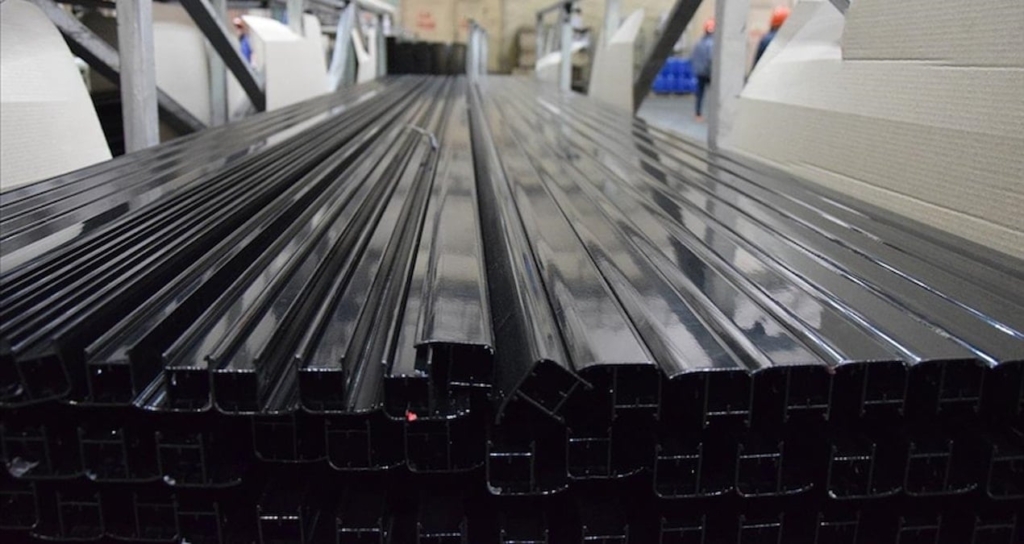

In a late-night statement, US trade authorities announced the imposition of additional customs duties ranging from 6.48 to 9.47 percent on steel products imported from Türkiye. The decision follows a preliminary investigation aimed at evaluating the potential impact of Turkish imports on the domestic steel industry.
While these additional tariffs are not yet permanent, they signal a heightened level of scrutiny toward Turkish steel exports and underscore the intensifying trade tensions between Türkiye and the United States. The final call on whether these imports have caused material injury to the US steel sector now lies with the US International Trade Commission (ITC).
Preliminary Measures to Protect Domestic Steelmakers
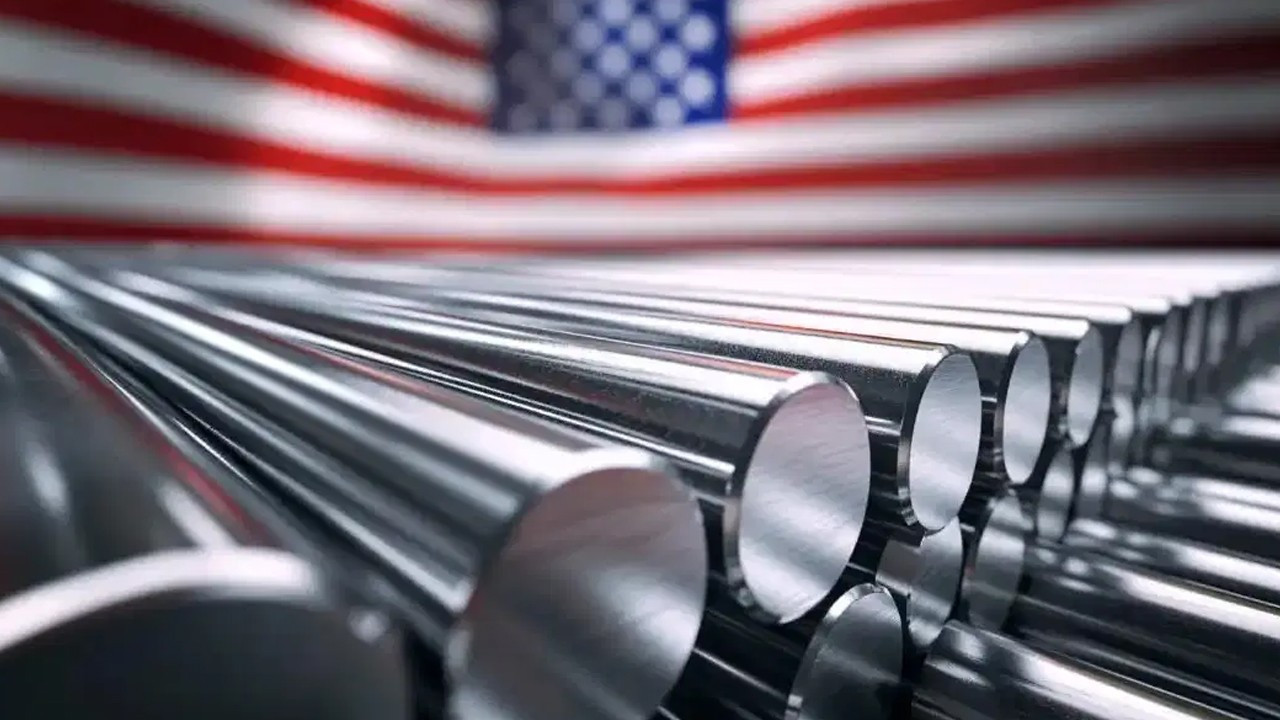
The investigation, initiated by US trade authorities in response to complaints from domestic producers, has already led to the imposition of provisional tariffs. These range between 6.48 percent and 9.47 percent, depending on the product and exporter involved. The rationale for this decision lies in what the US Department of Commerce describes as “unfair pricing practices” that could distort market conditions and undermine American producers.
The statement emphasized, “US steel companies and workers deserve a level playing field in the global market.” If the ITC concludes that Turkish imports have indeed harmed domestic industry, the Department of Commerce will be instructed to finalize antidumping and countervailing duties.
What Is Antidumping and Countervailing Duty?
Antidumping (AD) duties are trade remedies imposed on foreign imports priced below fair market value. In contrast, countervailing duties (CVD) address unfair subsidies granted by foreign governments that give exporters an artificial advantage. Together, these instruments serve as shields to protect local manufacturers from pricing strategies deemed detrimental to healthy market competition.
In this particular case, both AD and CVD mechanisms are being considered as tools to prevent the Turkish steel industry from disrupting US market dynamics. These types of investigations typically span months and involve public hearings, detailed industry analyses, and bilateral consultations.
The Road Ahead: ITC’s Crucial Role
While the additional tariffs are already in place as provisional measures, their long-term application will hinge on the ITC’s final verdict. This independent federal agency is currently conducting its own parallel investigation to determine whether Turkish imports have materially injured the US steel sector.
Should the ITC conclude in favor of domestic producers, the Department of Commerce will formalize the new duties, making them permanent. On the other hand, if no injury is found, the temporary tariffs may be revoked, and any collected fees may be refunded to the affected importers.
Implications for Türkiye’s Steel Exporters
The decision is a potential blow to Turkish steel exporters, many of whom rely heavily on the US market as a significant revenue stream. Türkiye is one of the world’s top 10 steel exporters, and the United States has historically been one of its largest clients, particularly for flat steel and rebar products.
An uptick in duties could affect pricing competitiveness, reduce export volumes, and force Turkish companies to redirect shipments to alternative markets such as the EU, North Africa, or Asia—markets that may already be saturated or less profitable.
Strategic Responses from Türkiye
In response to similar past measures, Türkiye has often opted for a multi-pronged strategy. These include:
Legal challenges through the World Trade Organization (WTO)
Diplomatic talks aimed at resolving trade frictions
Diversification of export markets to reduce overdependence on any single country
Investments in value-added production to increase competitiveness even in tariff-heavy environments
Whether such steps will be taken again in this case remains to be seen, but the Turkish government and its industry stakeholders are likely to monitor developments closely.
Ripple Effects Across the Global Steel Market
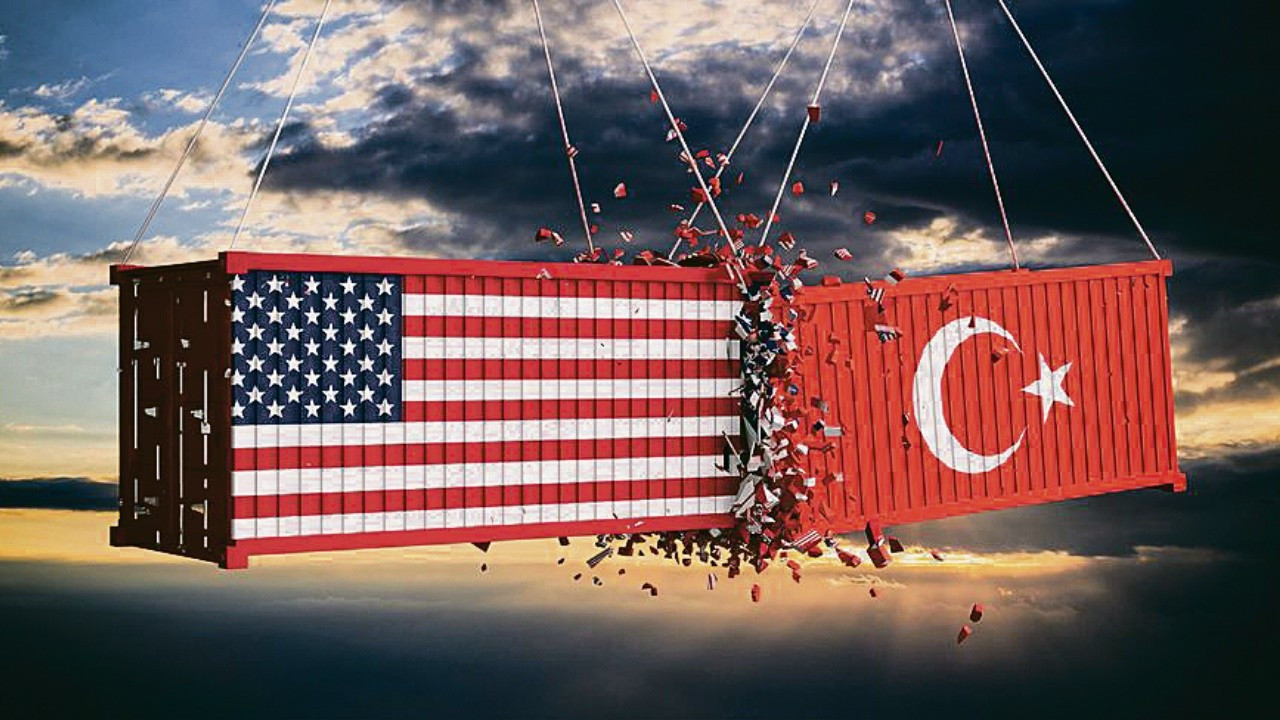
The US’s stance on Turkish steel is not happening in isolation. Several countries, including South Korea, India, and Vietnam, are also facing similar investigations. Collectively, these cases reflect a broader shift in US trade policy toward more protectionist measures and a closer alignment with domestic industrial interests.
This growing trend may encourage other nations to adopt reciprocal policies, potentially triggering a new wave of trade disputes. Steel, as a globally traded commodity, sits at the center of this rising tension.
Uncertain Terrain for Steel Traders and Consumers
For US-based steel consumers—especially in the automotive, construction, and manufacturing sectors—these tariffs could result in higher raw material costs. Many of these industries rely on Turkish imports to fill supply chain gaps and meet quality or pricing needs that local producers may not always fulfill.
Higher input costs may trickle down into end products, possibly impacting consumer prices and corporate margins. Conversely, US steel producers may benefit from a more protected market, allowing them to boost output and employment—key concerns for policymakers heading into election cycles.
Conclusion or Not? Here’s the Bigger Picture
While this decision is part of a technical trade investigation, its implications stretch far beyond tariff percentages. It is about balancing fair competition with national industrial priorities, maintaining international trade norms while asserting sovereign trade protections, and navigating the fine line between strategic defense and economic retaliation.
The coming months will be pivotal—not just for Türkiye-US trade relations, but for the global steel market’s direction as well. Traders, manufacturers, policymakers, and industry observers will all be watching the ITC’s decision closely. What’s at stake is more than just a few percentage points in duties—it’s about the precedent it sets for international commerce in a time of growing economic nationalism.