
The Turkish automotive industry gathered at Istanbul’s YEDPA Trade Center for an important meeting attended by Trade Minister Ömer Bolat. The event served as a platform for industry leaders to evaluate the sector’s current standing, future opportunities, and pressing challenges. With Türkiye positioning itself as one of the key players in global automotive trade, discussions highlighted the country’s growing domestic brands, its strong export performance, and the structural hurdles that must be addressed to secure long-term competitiveness.

Togg as a Turning Point for Türkiye
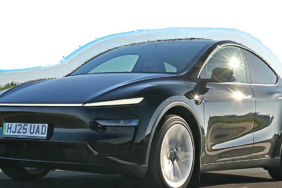
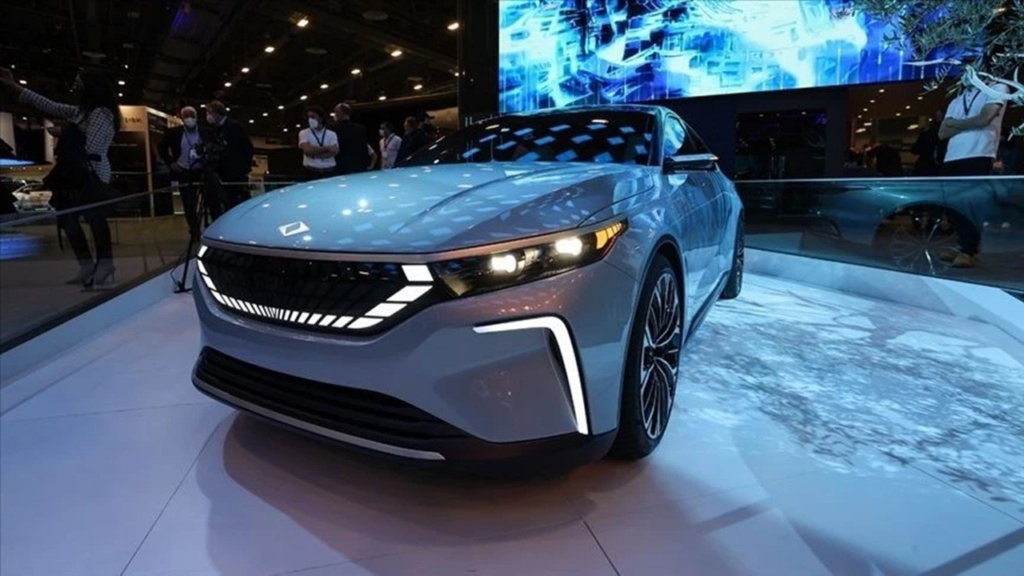
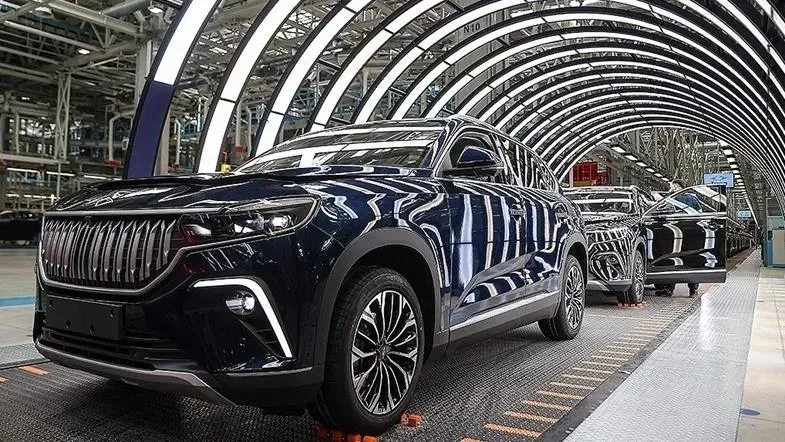
Istanbul Chamber of Commerce Chairman Şekib Avdagiç emphasized that Türkiye’s automotive landscape has long benefited from major international manufacturers, which provide immense value to the national economy. However, he underscored that the introduction of Togg represents a critical milestone in domestic production.
“The launch of Togg has marked a significant threshold in our automotive industry,” Avdagiç noted, adding that while not yet widely publicized, several small and medium-scale domestic brands are also beginning to emerge. He pointed to developments in Balıkesir focusing on commercial vehicles, automobile initiatives in Eskişehir, and new projects by HABAŞ at the former Honda plant in Çayırova. According to Avdagiç, these efforts signal that Togg will soon be joined by other homegrown brands, further diversifying Türkiye’s industrial portfolio.
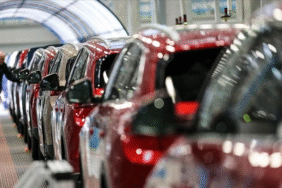
Beyond brand development, Avdagiç highlighted the strength of Türkiye’s automotive supply chain. He noted that while the main industry exports heavily to the European Union, the supplier industry exports to more than 150 countries, reinforcing the global footprint of Türkiye’s manufacturing base. He also praised YEDPA’s role as a central hub in Istanbul, where an ecosystem has enabled numerous firms to expand and thrive.
Automotive as the Engine of Foreign Trade
YEDPA Chairman Salih Sami Atılgan also took the stage, describing the automotive industry as undergoing one of the most transformative phases in its history due to climate policies, electrification, and rapid technological shifts. He stressed that Türkiye’s integration with global brands has positioned the country as a vital contributor to international markets.
“The automotive industry has been the champion of Türkiye’s exports for nearly 15 years,” Atılgan remarked. He noted that in 2024, the sector achieved $37.2 billion in exports, maintaining its leadership in foreign trade. This performance underscores the automotive industry’s role not only as an economic powerhouse but also as the locomotive of Türkiye’s foreign trade balance.
Challenges in Finance and Competitiveness
Despite its strengths, the sector faces significant hurdles, particularly in financing and competitiveness. Atılgan pointed out that access to finance and high interest rates remain urgent problems that must be addressed quickly to sustain growth. He also warned that the exchange rate remaining below inflation levels, coupled with persistent price hikes in the domestic market, undermines the industry’s ability to compete internationally.
Industry observers argue that without financial reforms and exchange rate adjustments, Türkiye risks losing momentum in its export-driven automotive strategy. The sector requires balanced monetary policies that protect competitiveness while ensuring stability.
A Sector Balancing Tradition and Transformation
Türkiye’s automotive industry sits at a crossroads, balancing its role as a traditional export leader with the necessity of embracing technological transformation. The global push toward electrification, reduced emissions, and smart mobility requires adaptation. Industry leaders believe Türkiye is well-positioned to navigate this transition, given its combination of established international partnerships and rising domestic innovators.
Events like the YEDPA gathering highlight how stakeholders are committed to ensuring that Türkiye not only maintains but strengthens its leadership in automotive exports. As domestic brands like Togg gain traction and new players enter the market, the industry’s ecosystem is expected to diversify, creating new opportunities for suppliers, investors, and workers alike.
Looking Toward the Future
The road ahead will be shaped by the ability to secure financing, manage currency fluctuations, and invest in new technologies. Türkiye’s automotive story has long been one of resilience and adaptability. With a combination of policy support, private sector innovation, and global demand, the sector aims to remain at the forefront of international trade while building a stronger domestic base.
For now, the excitement around Togg and the emergence of new local brands demonstrates that Türkiye’s automotive future is not only tied to foreign investment but also to its capacity to innovate at home.