
Türkiye’s Automotive Manufacturers Association (OSD) has released production figures for January–July 2025, revealing mixed results across different vehicle segments. While overall automotive output showed modest growth, passenger car production experienced a notable decline.
Passenger Car Production Drops 4 Percent
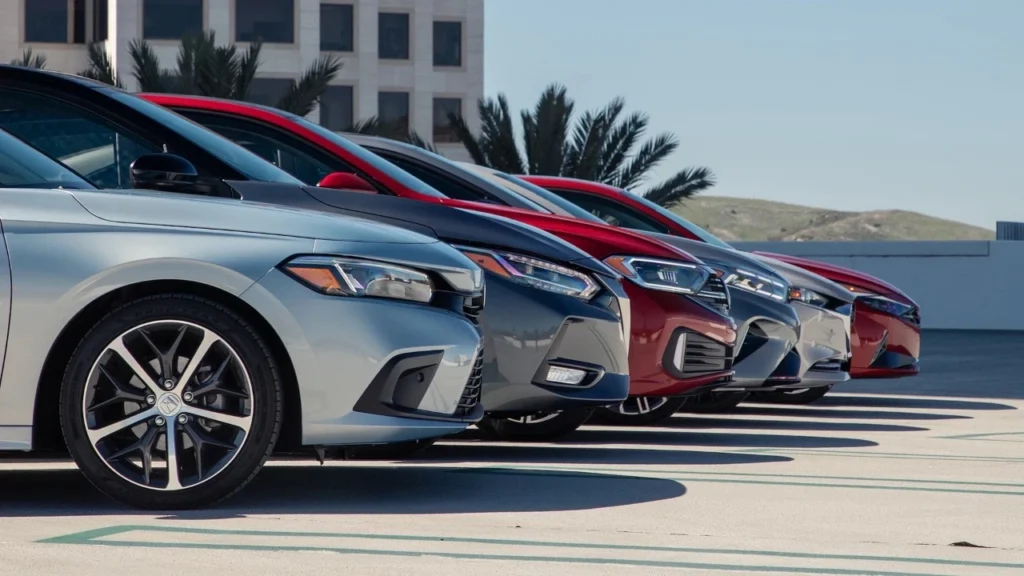
In the first seven months of 2025, passenger car production in Türkiye fell by 4 percent compared to the same period last year, totaling 521,447 units. Although July saw a slight 1 percent increase in passenger car output, the general downward trend for the year remained unchanged.
This decline reflects a combination of factors including domestic market demand fluctuations, shifting export balances, and the lingering effects of global logistics and supply chain challenges.
Total Automotive Production Shows Slight Growth
Despite the drop in passenger car production, total automotive production increased 1 percent year-on-year, reaching 834,838 units. When tractor production is included, the total rose to 853,376 units.
In July alone, total production jumped 10 percent compared to the same month in 2024, largely fueled by a surge in commercial vehicle manufacturing.
Commercial Vehicles Drive Growth
The commercial vehicle segment played a key role in supporting Türkiye’s automotive industry this year. In July, commercial vehicle production surged 31 percent, with light commercial vehicles showing particularly strong momentum.
From January to July 2025:
Total commercial vehicle production rose 11 percent year-on-year.
Light commercial vehicles recorded a robust 14 percent increase.
Heavy commercial vehicle production fell 9 percent, signaling that the segment’s overall growth is heavily reliant on lighter models.

Capacity Utilization in the Industry
According to OSD, the automotive industry’s overall capacity utilization rate stood at 67 percent in the first seven months of 2025. Breaking it down by vehicle category:
Light vehicles (passenger cars + light commercial) – 69 percent
Trucks – 56 percent
Buses & midibuses – 64 percent
Tractors – 42 percent
These figures indicate that while some segments are operating close to optimal capacity, others, particularly heavy commercial vehicles and tractors, are underperforming.
A Sector Still Vital to Türkiye’s Economy
The automotive sector remains one of Türkiye’s largest industries in terms of both production and exports. The decline in passenger car manufacturing underscores the complexity of the current market environment, where global economic pressures, changing trade flows, and local demand patterns all intersect.
On the other hand, the strong performance in commercial vehicles—especially light models—demonstrates that certain market segments remain resilient. Industry experts suggest that this growth could be linked to expanding e-commerce logistics, rising domestic distribution needs, and sustained export demand for light commercial units.
Looking ahead, maintaining balanced growth across all vehicle segments will be crucial for sustaining the sector’s contribution to the economy. Strategies to address global supply challenges, adapt to evolving market demands, and support domestic sales will likely determine how the rest of 2025 plays out for Türkiye’s automotive industry.