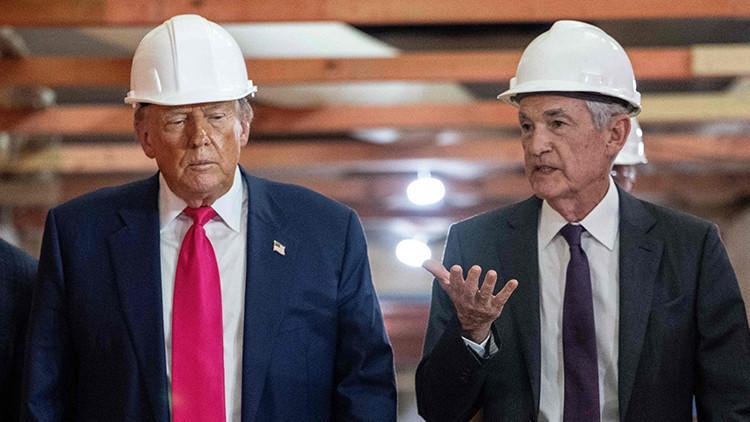

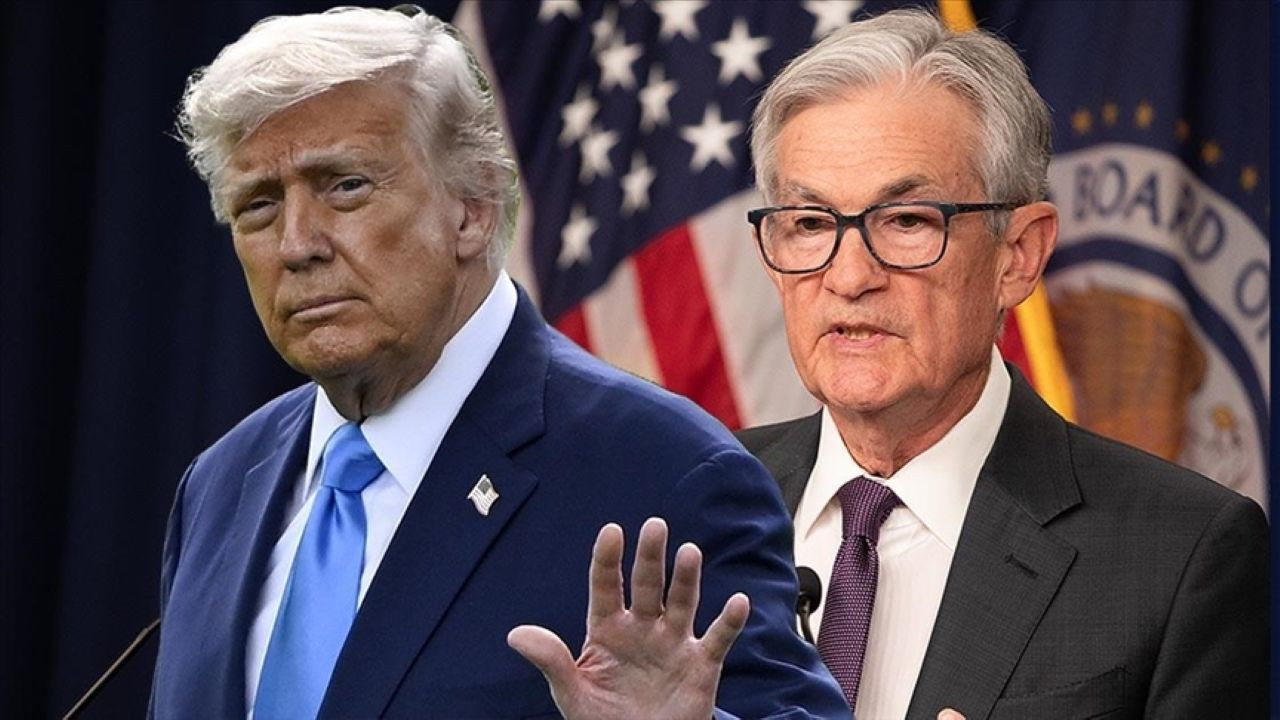
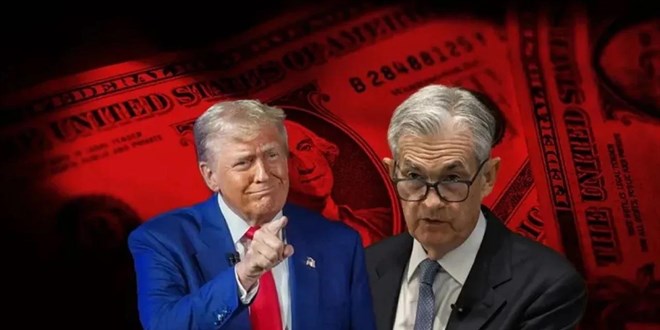
Former US President Donald Trump made headlines again after visiting the Federal Reserve headquarters in Washington and publicly questioning the nearly 2.5 billion dollar renovation project taking place at the facility. His criticism targeted Fed Chair Jerome Powell, reigniting tensions between the two figures that had frequently clashed during Trump’s presidency.
This visit has not only stirred political conversation about the project’s budget but also triggered debates on the Federal Reserve’s autonomy, monetary policy, and broader economic strategy in the current economic climate.
Federal Reserve Renovation Plan Sparks Political Tension
The costly renovation of the Federal Reserve buildings has been in planning for years and is aimed at modernizing the central banking institution’s infrastructure. However, Trump has voiced skepticism regarding both the need and scale of the renovations. During his visit to the site, Trump remarked that he did not believe such an extensive overhaul was necessary and expressed concern about the growing costs.
His public comments hinted at potential disapproval of Powell’s leadership but stopped short of calling for his removal. When asked by reporters whether the escalating budget could lead to Powell’s dismissal, Trump stated that he would not categorize the situation in that way, indicating a more cautious approach.
Despite Trump’s fiery rhetoric, he also conveyed some restraint, stating he believes Powell would “do the right thing” in managing the renovation responsibly.
Powell Defends Project and Counters Trump’s Claims
In response to the mounting criticism, Jerome Powell defended the renovation plan and challenged the accuracy of the figures Trump cited. According to Powell, the project’s budget has been misrepresented and is based on long-term needs to modernize facilities that house essential financial operations and personnel.
Powell emphasized that the Federal Reserve operates independently and that decision-making regarding infrastructure improvements is informed by technical assessments, long-term planning, and security requirements. He refrained from engaging in political tit-for-tat but reinforced the importance of institutional integrity.
Interest Rates Remain a Point of Contention
The disagreement over renovation costs has also reignited another familiar dispute between Trump and the Fed Chair — interest rates. Trump has long been a vocal critic of the Federal Reserve’s interest rate policies, particularly in times of economic uncertainty.
Currently, the Federal Reserve’s benchmark interest rate stands at around 4.3 percent. While the central bank has implemented rate cuts in the past year, it has adopted a wait-and-see stance more recently. Powell and other Fed officials have pointed to mixed economic indicators and inflation risks, partly triggered by Trump-era policies like sweeping import tariffs, as justification for maintaining the current rates.
Trump, however, believes that lowering interest rates further would stimulate growth and bolster the country’s competitive edge in global markets. Following his visit to the Federal Reserve building, he took to social media, criticizing the prolonged construction process and again urging Powell to reduce rates.
Fed Independence and Political Pressure
Trump’s ongoing pressure campaign against Powell has renewed concerns among economists and analysts about the Federal Reserve’s autonomy. The central bank’s independence is regarded as vital for maintaining financial stability and insulating monetary policy from short-term political interests.
Historically, presidents have refrained from directly pressuring the Federal Reserve. Trump’s approach marks a significant departure from this norm and has sparked debate about the long-term consequences of politicizing central banking institutions.
Experts warn that undermining the credibility of the Fed could erode investor confidence and distort market expectations, particularly if interest rate decisions are seen as politically motivated rather than economically justified.
A Renovation Reflecting Broader Economic Shifts
Beyond the politics, the Federal Reserve renovation project itself is emblematic of larger changes in how financial institutions are adapting to new challenges. The global economy has evolved rapidly in the face of digital transformation, cyber threats, and the need for resilient infrastructure. The Federal Reserve’s renovation is intended to address these pressures by upgrading both physical facilities and technological frameworks.
While the 2.5 billion dollar estimate may appear excessive to some, supporters argue that modernizing the Fed’s capacity to respond to economic crises is an essential investment in long-term national security and fiscal stability.
Economic Outlook and Trump’s Narrative
Trump’s criticism of the Fed comes amid his broader narrative that the American economy is fundamentally strong. He emphasized during his remarks that the US economy was performing well enough to afford the renovation costs, even while expressing regret over the decision to launch the project in the first place.
His remarks appear to be part of a calculated political strategy to position himself as a champion of fiscal responsibility and economic growth, especially in anticipation of future electoral ambitions.
Monetary Policy in a Post-Trump Era
Since Trump left office, the Federal Reserve has operated under a different political climate, attempting to balance inflation control, employment growth, and financial stability. Powell, who was appointed by Trump but later re-nominated by President Joe Biden, has faced criticism from both ends of the political spectrum.
The ongoing tension between Powell and Trump symbolizes a broader ideological divide on how to manage economic growth and financial policy in the post-pandemic world. Trump’s repeated calls for aggressive interest rate cuts contrast with Powell’s more cautious approach, which is focused on preserving stability while adapting to uncertain global dynamics.
What Comes Next for the Fed and Powell
The fallout from Trump’s visit to the Federal Reserve is likely to continue in political and financial circles. While no immediate policy shifts are expected, the pressure from public figures like Trump contributes to an environment where central banking decisions are increasingly scrutinized in the public arena.
If inflation trends upward again or growth slows, Trump and his allies may intensify their calls for changes at the top of the Federal Reserve. Meanwhile, Powell remains committed to a steady course, defending the institution’s independence and the logic behind its decisions.
Looking Ahead in an Era of Financial Volatility
As global markets face uncertainty from geopolitical tensions, shifting trade alliances, and technological disruptions, central banks like the Federal Reserve play a crucial role in providing predictability and direction. The controversy surrounding the renovation costs is just one part of a larger story about trust, leadership, and the delicate balance between politics and economics.
Trump’s visit, though symbolic in many ways, has once again highlighted the fragile relationship between political leaders and financial institutions. Whether this sparks meaningful policy discussion or simply fuels more headlines remains to be seen.