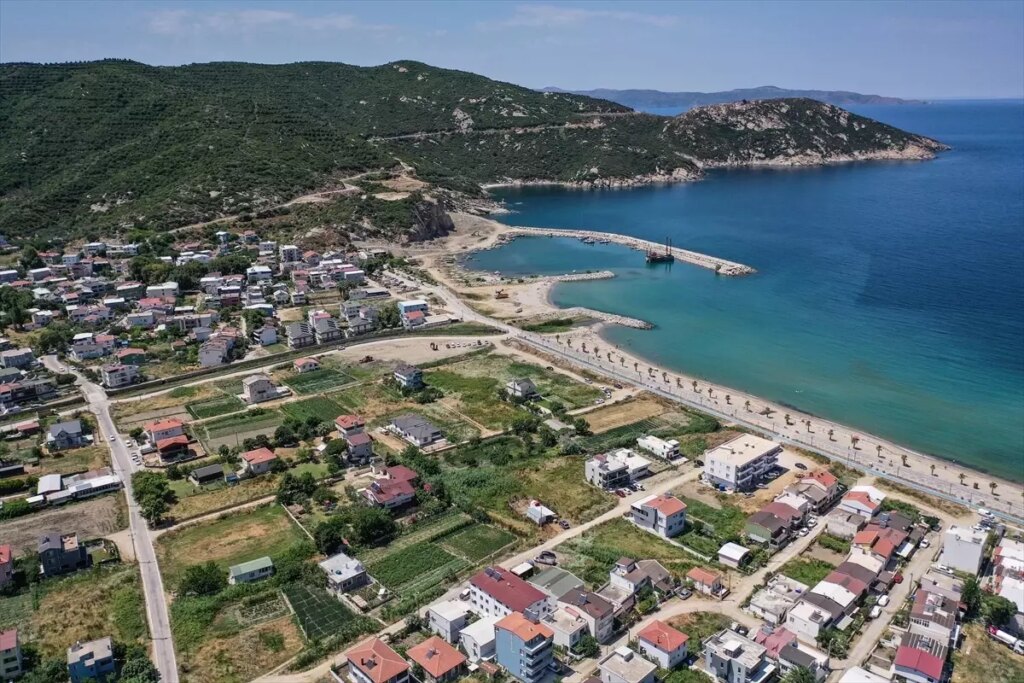

Tucked away on the northwestern edge of the Kapıdağ Peninsula, the small village of Turanköy in Balıkesir’s Erdek district is quietly transforming into one of Türkiye’s most sought-after eco-tourism destinations. With its turquoise waters, lush pine forests, and tranquil village charm, Turanköy is drawing increasing numbers of both local and international visitors each summer.
Once a sleepy coastal neighborhood with roots in the early population exchanges between Türkiye, Greece, and the former Yugoslavia, Turanköy today welcomes thousands of guests seeking serenity, nature, and traditional Turkish village life.
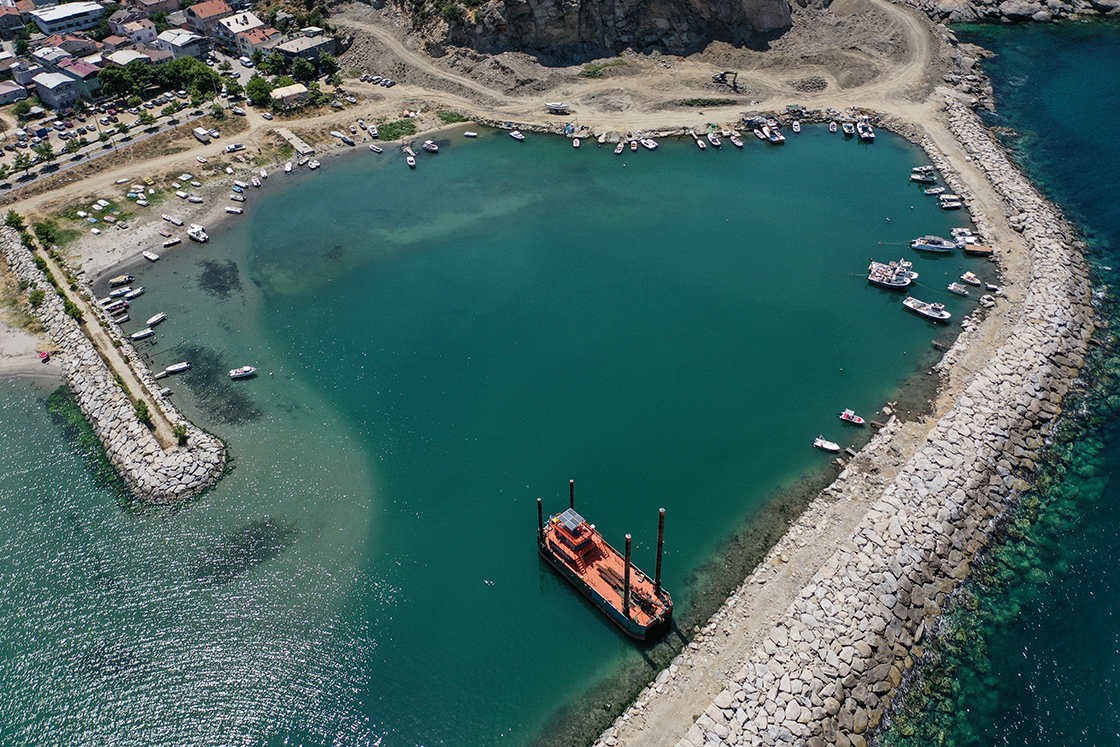
A Coastal Retreat Where Green Meets Blue
Located along the Marmara Sea, Turanköy’s geographic position provides an ideal balance between accessibility and seclusion. Situated just across the sea from Istanbul and within driving distance of Bursa and Balıkesir, the village has become a weekend escape for urban dwellers looking to unwind in an authentic setting.
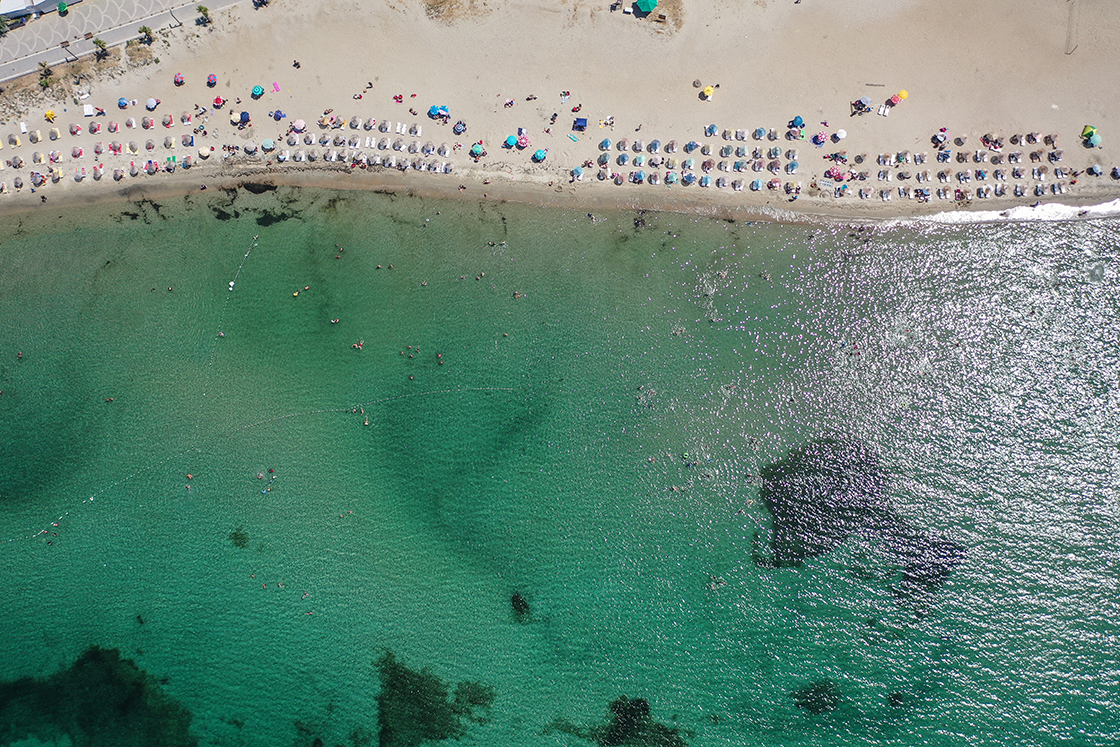
Turanköy’s defining features include its crystal-clear shoreline, pedestrian-friendly walking trails, and bicycle routes that snake through coastal pine groves. The village offers a rare combination of coastal leisure and forested escape, creating a rich experience for travelers who wish to disconnect from the city.
Population Grows Tenfold in the Summer Months
Although the village’s permanent population hovers around 800 residents, its summer population can swell to over 8,000 during peak weekends in July and August. According to village headman İlker Dolan, Turanköy has experienced a steady rise in tourism over the past two decades.
“Turanköy sits on the northern side of the Kapıdağ Peninsula, directly across from Istanbul,” Dolan explains. “It’s a place where people come, drink the water, breathe the air, and decide never to leave.”
The village has maintained a modest infrastructure, with small pensions, family-run guesthouses, and designated camping areas. These accommodations, largely operated by local families, contribute not only to the local economy but also to a warm and welcoming atmosphere.
Agriculture and Tourism Coexist in Harmony
Despite the growing influx of visitors, Turanköy remains a working agricultural community. Olive cultivation is the primary occupation for most residents, and the region’s extra virgin olive oil is gaining recognition among tourists and small-scale gourmet retailers.
In recent years, the tourism boom has provided alternative income sources for local families. Many have converted portions of their homes into rental rooms or built modest guesthouses. Some offer homemade meals, olive oil tastings, or guided walks through the surrounding hills.
“The sea and the greenery attract people, but it’s our hospitality that brings them back,” says a local pension owner, who also cultivates olives during the off-season.
Weekend Crowds, But Still Room to Breathe
While the calm and quiet of Turanköy remain its biggest draws, increasing popularity has led to larger weekend crowds, especially during holidays and peak summer days. Dolan notes that some long-time visitors have expressed surprise at the recent uptick in tourism.
“Many guests say things like, ‘It wasn’t this crowded in past years.’ But we still manage to offer space and peace,” he adds. “We have areas for picnics, family beaches, and even a women-only beach, which is quite popular among conservative travelers.”
Visitors can enjoy simple pleasures like sunbathing by the sea, barbecuing under the pine canopy, or hiking to secluded coastal cliffs with panoramic views of the Marmara Sea.
Eco-Tourism Appeal on the Rise
What sets Turanköy apart from other coastal villages is its strong eco-tourism profile. With minimal commercial development and strict respect for the natural surroundings, the village offers a unique experience rooted in sustainability.
Nature lovers, cyclists, and campers flock to Turanköy not just for the sea but for the holistic environment it offers. Birdwatchers can spot migratory species, while forest explorers encounter endemic plants and ancient footpaths once used by villagers and shepherds.
The community has also resisted large-scale hotel development, ensuring that growth remains local, sustainable, and people-centered. The existing guesthouses, though simple, often include locally sourced materials and traditional architectural styles.
A Gateway to the Kapıdağ Peninsula
Turanköy also serves as a convenient base for exploring the broader Kapıdağ Peninsula. Visitors often combine their stay with trips to nearby Erdek, historical ruins, fishing villages, and scenic coastal drives.
The peninsula, largely overlooked by mainstream tourism, holds great promise for those seeking a deeper connection with Türkiye’s natural and cultural heritage. From Byzantine monasteries to Ottoman-era stone houses, the region offers a blend of untouched beauty and historical depth.
Getting There and When to Visit
Turanköy is most accessible by road from Istanbul via ferry to Bandırma, followed by a short drive to Erdek and then northward toward the village. It is also reachable from Bursa and Balıkesir by car or bus.
The best time to visit is between May and September, when the weather is warm, and the sea is at its clearest. However, for travelers seeking solitude and lower accommodation prices, early autumn remains a favorite.
Conclusion Without a Label
As Türkiye’s tourism offerings diversify beyond the crowded Aegean and Mediterranean coasts, places like Turanköy are stepping into the spotlight. With its unspoiled charm, friendly locals, and immersive natural surroundings, this hidden gem offers a refreshing alternative for travelers who want more than just sun and sand.
Whether for a quiet retreat or an active nature-based getaway, Turanköy invites visitors to slow down, breathe deeply, and experience a different side of Türkiye — one where tradition and tranquility go hand in hand.