
Türkiye has introduced a sweeping reform to its Special Consumption Tax system on new vehicles, causing immediate shifts in car prices and reshaping buyer behavior across the country. The tax revision, which was approved by the Turkish Parliament, goes beyond a mere update of base tax brackets. Instead, it introduces a new structure that has led to a mix of price decreases and sharp hikes depending on the vehicle category, engine type, and origin.
While the update was initially expected to result in minimum tax rates starting at 80 percent, the actual outcome has been more nuanced. Domestic models have seen temporary price advantages, whereas imported and luxury electric models have become more expensive. The new rules are already impacting both the entry-level and premium segments of the auto market.

Lower Prices for Domestic Cars Attract Consumers
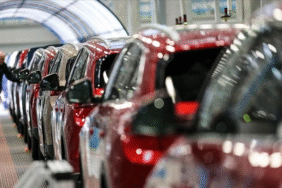
One of the most notable outcomes of the new tax structure has been a price drop in many Türkiye-manufactured vehicles. Basic trims of popular domestic models have seen reductions that have made them more accessible to consumers. For instance, prices fell by 156,000 Turkish lira for the Fiat Egea, 50,000 lira for the Renault Clio, 70,000 lira for the Megane sedan, 46,000 lira for the Dacia Duster, 64,000 lira for the Hyundai i10, 45,000 lira for the i20, and 42,000 lira for the Hyundai Bayon.
These reductions stem directly from the updated tax brackets, which now apply a lower Special Consumption Tax to vehicles with smaller engine displacements. As a result, domestically produced models that fall into the 1.4 to 1.6 liter range benefit from a lower tax burden.
Luxury Cars Face Significant Increases
The situation has played out very differently in the luxury segment. Many premium imported models have seen their sticker prices rise sharply, in some cases by over a million Turkish lira. For example, the Audi A5 diesel model jumped from 5.5 million to over 6 million lira. The BMW 520i sedan rose from 6.5 million to 7.3 million lira, while the 520d variant increased from 8.9 million to 9.6 million lira. Mercedes-Benz also saw price hikes, with the E180 model going from 6.2 million to 6.9 million lira and the E220d climbing from 8.7 million to 9.4 million lira. The Volvo XC90 surged from 8.5 million to 9.9 million lira.
In the high-end vehicle market, nearly all transactions are reportedly done in cash. This suggests that buyers in this segment remain relatively undeterred by tax increases, although volume may slow depending on broader economic trends.
Sector Leaders React to the Changes
Industry representatives have started to share their evaluations of the new tax landscape. MAİS General Manager Berk Çağdaş emphasized that locally produced vehicles are becoming even more attractive. He noted that some of the country’s most popular models are now more affordable thanks to the tax update, which will likely further increase their popularity among consumers.
FIAT Brand Director Altan Aytaç confirmed that the Egea family benefited from the new system. The tax rate on the 1.4-liter engine variant dropped from 80 to 70 percent, while the 1.6-liter engine saw a decrease to 75 percent. As a result, the starting price for the Egea now sits at 944,964 Turkish lira. Aytaç added that consumer interest has increased since the update and that the company is pleased with the response.
Potential Risks Associated with Inflation and Tax Brackets
Selçuk Nazik, General Manager of LenaCars, offered a more cautious analysis. According to internal studies, the new Special Consumption Tax structure has led to a 5 to 10 percent reduction in prices in the entry-level segment. However, prices have risen by 10 to 20 percent for luxury, electric, and plug-in hybrid models.
Nazik warned that the benefits of the new system may not last long. Because the tax is still based on the base price of the vehicle (known as the “matrah”), any inflation-related price increases could quickly push models into higher tax brackets. A car currently subject to a 70 percent tax could soon fall into the 90 or even 100 percent category if its price increases further due to currency fluctuations or rising production costs.
This scenario presents a clear risk for consumers who may delay purchases, hoping for further price drops or incentives. It also places additional pressure on dealerships, which may struggle to manage pricing strategies amid a volatile tax environment.
Impact on Electric and Hybrid Vehicle Market
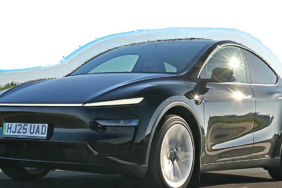
Another group hit hard by the changes includes electric and hybrid vehicles, especially imported models in the D segment and above. These cars often carry a higher initial price tag and now face additional tax burdens that make them less competitive in the local market.
This shift could potentially slow Türkiye’s transition to sustainable mobility, unless compensatory incentives or exemptions are introduced to support electrification. Industry experts have long argued that tax policy should align with environmental goals. Without targeted support, green vehicle adoption could falter in favor of more affordable combustion-engine models.
Commercial Vehicles Remain Stable for Now
Commercial vehicle prices have not yet been affected by the new tax policy. However, industry analysts expect this segment to maintain its competitive pricing edge compared to passenger cars. Commercial fleets may actually benefit from the policy shift as companies look for more cost-effective transportation solutions.
That said, if future revisions expand to include light commercial vehicles, the current pricing advantage may narrow. This possibility will depend on broader fiscal policy and how Türkiye balances revenue needs with industrial growth and consumer affordability.
Consumer Behavior and Market Expectations
With uncertainty surrounding how long the current tax advantages will last, many consumers may rush to purchase vehicles before prices climb again. Dealers report an increase in showroom visits and reservation requests since the announcement of the changes.
However, some buyers remain hesitant, mindful of economic uncertainties and the potential for future adjustments to tax brackets. Analysts suggest that this moment represents a window of opportunity but one that could close quickly if macroeconomic conditions shift or if inflation pushes base prices higher.
Conclusion
Türkiye’s revision of its Special Consumption Tax on new vehicles is reshaping the automotive landscape. The changes have brought relief to domestic car buyers and opened a temporary window of affordability in the economy class. However, they have also introduced price hikes in the luxury and electric segments, sparking debate about long-term sustainability and fairness.
Industry leaders welcome the increased competitiveness of local models but caution that inflationary pressures may erode these benefits in the near term. The challenge for policymakers will be maintaining equilibrium between tax revenue, consumer demand, and industrial priorities.
As the automotive sector adjusts to this new reality, both consumers and companies will need to stay informed and agile. Whether the new system results in lasting benefits or short-term volatility remains to be seen. For now, Türkiye’s car buyers are navigating a market in flux, where timing and tax brackets could make all the difference.