
The 2024 edition of the Economic Report on Turkic States, titled “Enhancing Transportation and Energy Connectivity Among Turkic States”, has been officially released under the umbrella of the Organization of Turkic States (OTS). This pivotal report outlines the shared vision for developing integrated infrastructure, streamlined logistics, and sustainable energy corridors across Turkic nations.
By reinforcing transport and energy links, the report not only targets regional development but also offers strategic insight into how Turkic States can increase their economic resilience in the face of global uncertainties.
Türkiye’s Central Role in the Strategic Framework
At the heart of this ambitious plan lies Türkiye, a country uniquely positioned at the crossroads of Europe, Asia, and Africa. This geographic advantage provides Türkiye with a pivotal role in shaping the logistics and energy infrastructure of the broader Turkic world.
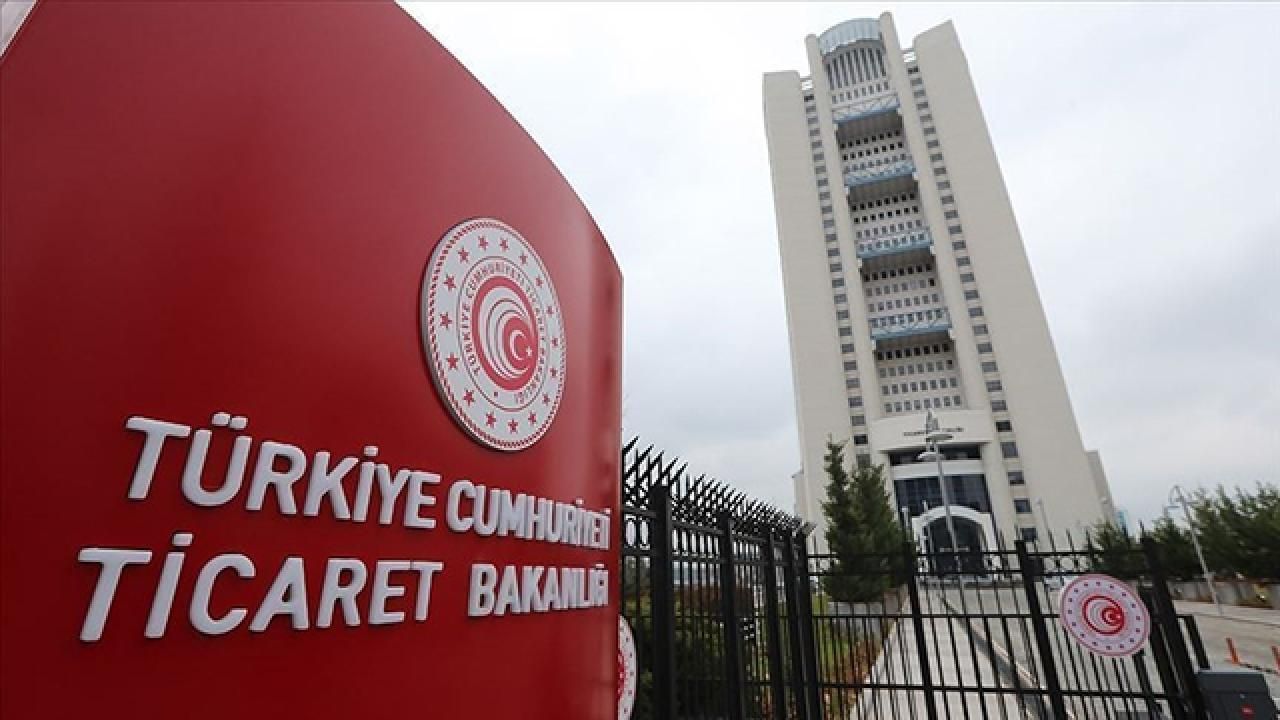
Türkiye’s contribution to the report was made possible through the coordination of the Ministry of Trade’s General Directorate of Trade Research and Risk Assessment. Additional inputs were provided by the General Directorate of Customs, the General Directorate of International Services Trade, the Ministry of Foreign Affairs, the Ministry of Transport and Infrastructure, and the Ministry of Energy and Natural Resources.
These institutional partnerships underscore Türkiye’s dedication to transforming its geographic advantage into a hub of regional influence. As trade routes evolve and energy demand increases, Türkiye stands as a central corridor not only for physical goods but also for diplomatic, economic, and technological exchange.
The Economic Vision of the Turkic States
The newly released report serves as a strategic roadmap aligned with the OTS’s 2040 Vision. It focuses on enhancing synergy between member states in the fields of transportation and energy, two domains deemed critical for long-term regional prosperity.
Key highlights from the report include:
Identification of current transportation bottlenecks between member countries
Analysis of energy trade dynamics and mutual dependencies
Policy suggestions to improve cross-border infrastructure coordination
Recommendations for digital transformation and logistics modernization
The report also elaborates on the economic growth trajectories of each member country, offering comparative metrics on GDP, trade volume, energy imports/exports, and infrastructure investment over the past decade.

Energy Corridors as a Pillar of Cooperation
The push for stronger energy connectivity among Turkic States reflects a broader trend in global energy security. Diversifying energy supply routes, reducing transmission losses, and investing in renewable sources are among the shared priorities of the region.
Türkiye’s position as a transit hub for major natural gas pipelines, including TANAP and TurkStream, further cements its role as a vital link between producer and consumer markets. The report emphasizes the importance of expanding pipeline networks, electrical grid interconnectivity, and clean energy integration among member states.
Moreover, energy cooperation is not limited to fossil fuels. There is growing enthusiasm for collaborative investments in solar and wind energy, especially in regions such as Central Asia where renewable potential remains largely untapped.
Modernizing Transportation for Trade Facilitation
Trade efficiency is inherently tied to the quality and connectivity of transportation infrastructure. The report presents a detailed overview of highways, railways, maritime routes, and air cargo corridors linking OTS countries.
Türkiye’s efforts in logistics modernization—such as digital customs processing, improved border infrastructure, and smart ports—are highlighted as exemplary practices. These advancements not only enhance trade competitiveness but also reduce delivery times and operational costs.
The report also suggests the establishment of unified transport corridors with synchronized regulations. Streamlined procedures and harmonized standards can help eliminate unnecessary delays and stimulate both intra-regional and international trade.
Institutional Collaboration for Long-Term Success
The preparation of the report itself demonstrates the effective collaboration of institutional networks within the Turkic world. The Economic Research Centers Network of Turkic States (ERCNET) played a vital role in compiling the research, data, and strategic recommendations.
Türkiye’s Ministry of Trade extended gratitude to the Turkic Academy, ERCNET institutions, and the broader OTS framework for their contribution. Their shared expertise and coordinated efforts ensure that the final document serves not only as a reference but as a call to action for policymakers, investors, and scholars alike.
Geopolitical Implications of Regional Integration
Beyond economic benefits, the strengthened connectivity between Turkic States carries significant geopolitical weight. As global supply chains become more fragmented and nations seek resilient trade partners, the unity of Turkic nations stands out as an emerging force of stability and cooperation.
Türkiye’s ability to bridge East and West is not merely symbolic. It represents a concrete logistical and diplomatic advantage that could shift trade flows, influence energy markets, and foster cultural exchange across continents.
The report, in this sense, acts as both a reflection of ongoing progress and a projection of what’s possible when regional cooperation is prioritized.
Looking Ahead with Shared Determination
As the Turkic States continue to navigate a complex global economic environment, the principles of mutual respect, shared vision, and collaborative development guide their course.
This report serves as a landmark contribution to regional economic literature and policymaking. It lays the groundwork for actionable strategies while highlighting the collective determination to walk into the future united, prosperous, and resilient.
Türkiye, with its strategic geography, institutional capacity, and growing influence, will undoubtedly continue to lead and inspire the regional economic narrative within the Turkic world.