
In recent days, Turkey has witnessed two policy changes that quickly became the subject of nationwide debate. On one hand, passengers flying with Turkish airlines will now be entitled to receive complimentary drinking water during their flights. On the other hand, the government announced a sharp increase in the exit fee for citizens traveling abroad, raising the amount to 1,000 Turkish Liras. The timing of these two decisions—coming just days apart—has not gone unnoticed, sparking both humorous commentary and critical reflection on broader economic trends.
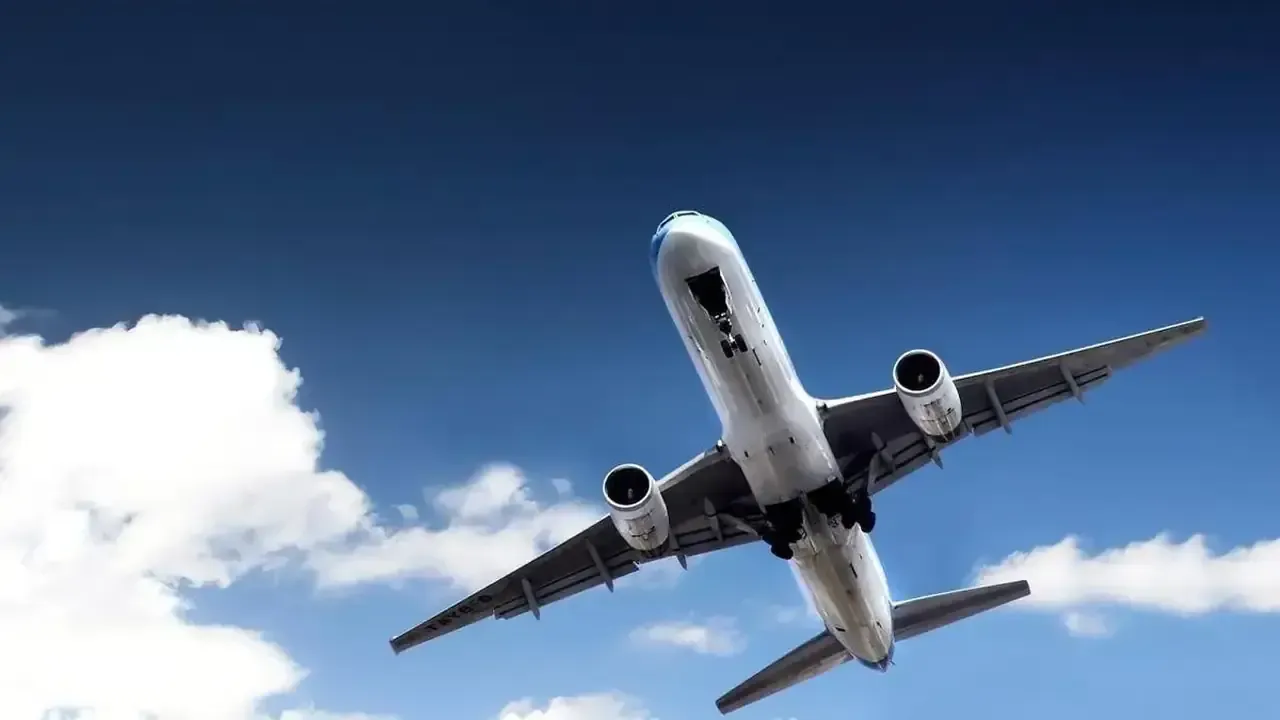
Free Drinking Water on All Flights
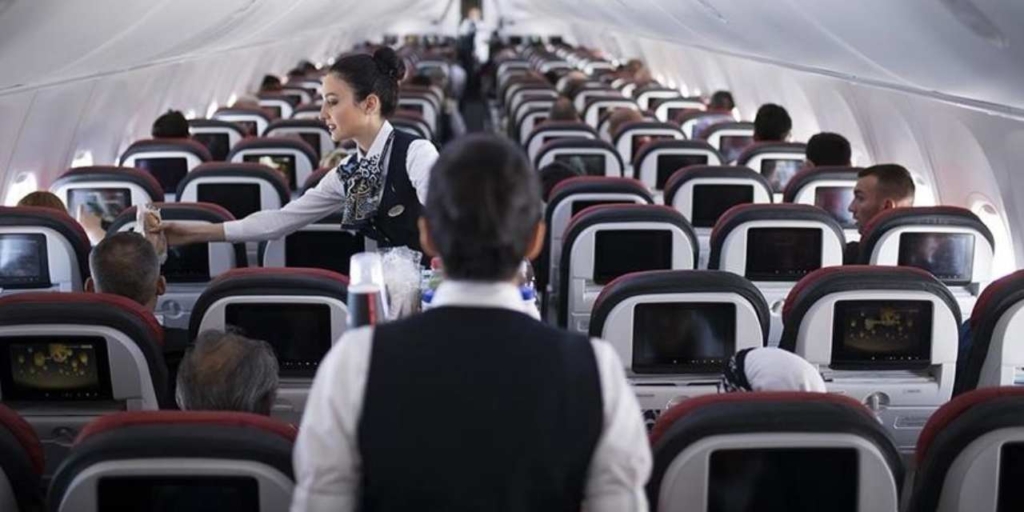
The announcement regarding water service on airplanes was made by Minister of Transport and Infrastructure Abdulkadir Uraloğlu in a written statement. According to the directive issued by the Directorate General of Civil Aviation (SHGM), all airlines operating in Turkey are now required to provide at least 200 milliliters of drinking water free of charge to each passenger on every flight.
Importantly, the regulation applies universally regardless of the length of the flight. Whether on a short domestic journey or a long international route, airlines must comply with the rule. The government framed this move as a measure to ensure basic passenger comfort and safety, aligning with international aviation standards that emphasize passenger well-being.
The policy was welcomed by many travelers who had long criticized airlines for charging high prices for basic necessities like water, especially on budget carriers. In the past, passengers often complained about having to pay several euros or dollars for a small bottle of water once onboard, with no alternatives allowed. The new requirement ensures that access to drinking water, a fundamental human need, will no longer depend on a passenger’s purchasing power mid-flight.
A Sudden Increase in Exit Fees
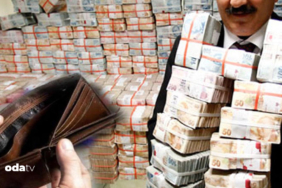
Just as the free water rule was being applauded, another development quickly captured public attention. A presidential decree signed by President Recep Tayyip Erdoğan and published in the Official Gazette raised the fee for Turkish citizens leaving the country to 1,000 TL. Known as the “exit fee,” this charge is collected from all citizens departing for international travel.
The increase was significant, marking a sharp jump compared to previous levels. Critics argue that such a steep fee may deter ordinary citizens from traveling abroad, effectively turning international mobility into a luxury reserved for the wealthy. Others see it as a reflection of broader fiscal challenges facing the Turkish government, which has increasingly relied on tax hikes and fees to boost revenue amid inflationary pressures.
Public Reaction and Humor in Hard Times
The juxtaposition of these two announcements—free water on flights and higher exit fees—was quickly picked up by commentators and the public alike. Radio host Nihat Sırdar offered a witty take that resonated across social media. With characteristic humor, he remarked: “You didn’t expect water to be free, did you? The exit fee is now 1,000 TL.”
His playful observation captured the frustration and irony felt by many citizens: a minor gesture of relief like free water is offset by a much heavier financial burden when it comes to traveling abroad. The contrast between a basic service provided free of charge and the rising cost of international mobility highlights the complexities of current economic policymaking.
The Broader Economic Context
While free water on flights may seem like a small policy change, it fits into a larger discussion about consumer rights, corporate practices and government regulation in Turkey. Airlines worldwide often face scrutiny for “unbundling” services—charging separately for luggage, meals, seat selection and even water. By mandating free water, the Turkish government positions itself as acting in the interest of passengers.
On the other hand, the increase in exit fees reflects fiscal realities. Turkey continues to grapple with high inflation, currency depreciation and rising government expenditures. Raising the exit fee is a relatively easy way to collect revenue, as it targets a specific group—those who can afford international travel. Yet, critics argue that it creates unfair barriers and contradicts the notion of free mobility.
International Comparisons
Turkey is not alone in imposing exit fees, though the amount now stands out. Many countries charge such fees, often included in airline tickets, but the amounts tend to be modest. For instance, European Union member states generally do not require separate exit fees, while countries like Japan and Australia impose fees in the range of $20–50. Turkey’s new 1,000 TL fee—depending on the exchange rate—puts it among the higher charges worldwide.
This raises concerns about Turkey’s attractiveness as a travel hub. While tourists are not directly affected, Turkish citizens who wish to travel for education, business or leisure may feel increasingly restricted, further straining perceptions of fairness in economic policy.

Symbolism and Public Sentiment
For many citizens, the two announcements symbolize the dual realities of life in Turkey today. On one side, there are efforts to address everyday grievances, like the cost of water on flights. On the other, deeper structural issues—like rising fees, taxes and cost-of-living challenges—continue to weigh heavily on households.
The humor expressed by figures like Nihat Sırdar reflects a coping mechanism in society, where people often use satire to process the frustrations of economic hardship. Social media reactions similarly mixed sarcasm with criticism, underscoring the sense that small symbolic victories are overshadowed by larger burdens.
Looking Ahead
Whether these decisions represent a meaningful shift or simply symbolic gestures remains to be seen. Free water on flights will undoubtedly improve passenger experience, especially for families and frequent travelers. Yet, the steep increase in exit fees may reinforce perceptions that international opportunities are becoming increasingly out of reach for ordinary citizens.
Observers suggest that the government may continue to pursue similar dual-track policies: offering minor consumer-friendly reforms while simultaneously implementing revenue-raising measures that reflect economic realities. For now, the contrast between free water and costly exit fees serves as a vivid illustration of the challenges and contradictions shaping Turkey’s policy environment in 2025.
Editorial Note
The combination of these two developments highlights the delicate balance between symbolic gestures of goodwill and the economic pressures driving fiscal policy. While passengers can now count on receiving water free of charge during their flights, the ability to step onto foreign soil comes at a higher cost than ever before. For many, the irony is hard to ignore: a cup of water may be free, but the price of leaving the country has never been higher.