
ING Türkiye has published the results of its Savings Trends Survey for the second quarter of 2025, offering valuable insights into how individuals across Türkiye manage their finances, plan for the future and adapt to changing economic realities. The research, carried out in collaboration with NielsenIQ, highlights that the national savings ownership rate stands at 54 percent.
This figure, which has remained relatively stable over the past four quarters, indicates that one out of every two people in Türkiye holds some form of savings. The report sheds light not only on who is saving but also on how they save, what motivates them and how younger generations differ from older ones in financial behavior.

Youth Savings Patterns Show Signs of Recovery
A particularly notable finding in the report is the rebound among younger participants. For the 18-24 age group, savings ownership had been declining in recent quarters. However, in the second quarter of 2025, the trend reversed, with a 5-point increase compared to the previous quarter, bringing the figure to 37 percent.
This rebound suggests that young people, despite facing economic pressures, are regaining interest in setting aside money. Among those without savings, 25 percent overall expressed plans to start saving soon. Within the 18-24 age range, this optimism is even higher, with 38 percent planning to save in the near future. This marks a 4-point increase from the previous quarter and puts young people 13 points above the national average in terms of savings intentions.
Regular Savers Show Strong Commitment
Another key highlight from the ING Türkiye report is the persistence of regular saving habits. Among individuals with savings, 84 percent reported saving regularly, maintaining one of the highest levels seen in recent years.
The survey further shows how much income is typically set aside. About 31 percent of regular savers allocate less than 10 percent of their income to savings, while 42 percent manage to save between 10 and 20 percent. These patterns reflect a careful balance between daily expenses and long-term financial planning.
When asked about their main reasons for saving, 37 percent pointed to future investments, while 25 percent emphasized protection against unexpected events. Both responses underscore the dual motivation of growth and security in personal finance.
Household-Level Savings Remain Stable
The survey also asked respondents about savings within households. Nineteen percent reported that another member of their household was also saving, a figure that has remained consistent for the past three quarters. This stability suggests that financial habits within families are relatively resilient despite economic uncertainty.
The presence of multiple savers within households can enhance financial resilience, helping families withstand unexpected shocks such as medical expenses, job losses or inflationary pressures. It also signals the growing role of financial literacy in shaping collective behavior within homes.
Gold and Cash Lead as Preferred Saving Tools
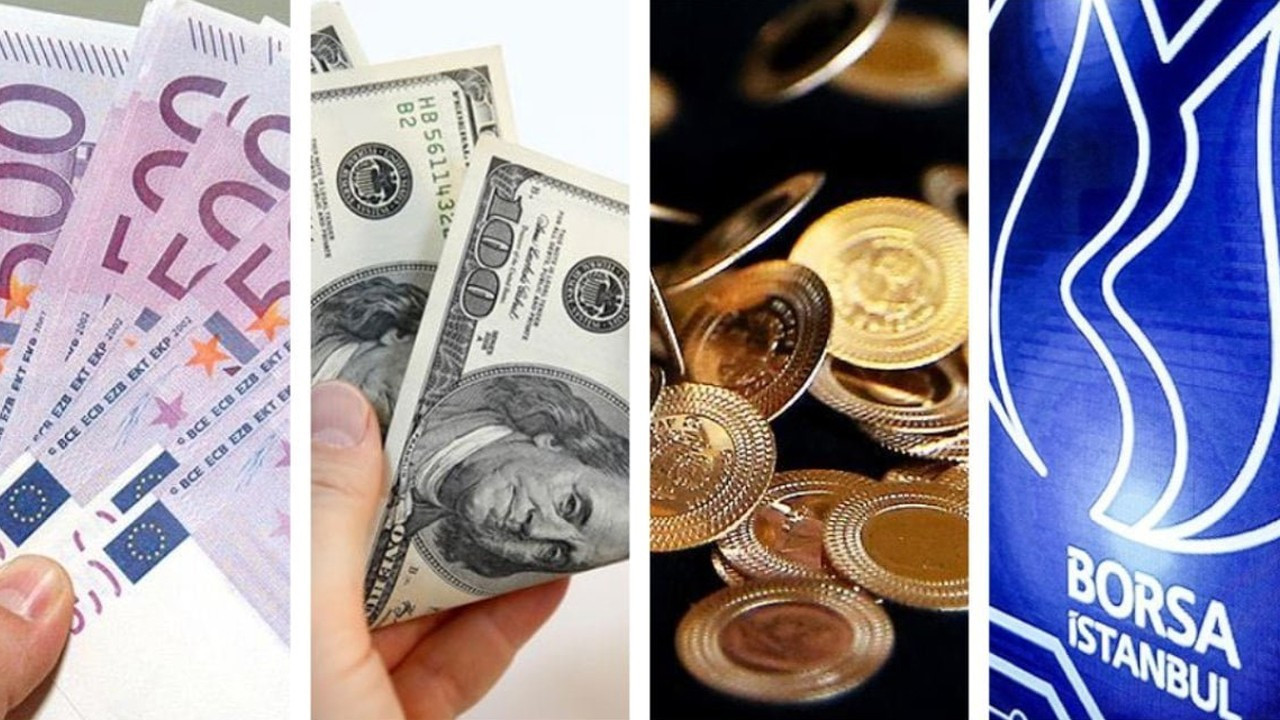
When it comes to saving vehicles, traditional choices remain strong in Türkiye. The report reveals that keeping gold at home continues to be the most common method, with 35 percent of savers choosing this option. Cash kept at home in either lira or foreign currency follows closely at 28 percent.
Other popular tools include lira time deposit accounts at 21 percent, stock market investments at 19 percent and bank-based gold or precious metal accounts at 18 percent. Gender differences were also noted. Men were more likely to use time deposit accounts, stocks and investment funds, while women leaned toward storing gold at home or holding gold accounts with banks.
Youth More Active in Stock Investments
The 18-24 age group once again stands out in the report, this time for their preference in investment tools. Young savers show a significantly higher interest in stocks and the stock exchange, with 28 percent choosing this option compared to the national average of 19 percent.
They also display a stronger preference for gold and precious metal accounts, with 29 percent using these vehicles. However, younger participants were less likely than the general population to rely on traditional under-the-pillow savings methods such as cash or gold kept at home. This shift suggests a generational change toward more formalized and market-based financial strategies.
Shifts in Return Expectations
The ING Türkiye survey highlights an important trend in return expectations. While long-term planning has historically dominated, the latest findings show a shift toward medium-term outlooks. Forty-two percent of savers now focus on medium-term returns, compared to 38 percent who still prioritize long-term growth.
This change may reflect the influence of current economic conditions, where volatility and uncertainty make long-term planning more difficult. At the same time, medium-term goals such as housing, education or career development appear to be gaining importance among savers.
Financial Discipline and Control of Spending
The research also reveals that 63 percent of participants actively control their spending in order to maintain financial balance. This figure highlights the importance of budgeting and conscious consumption in navigating today’s economy.
By monitoring expenses, many individuals seek to ensure that they can meet both immediate needs and long-term savings targets. This behavior is particularly critical in an environment where inflation and rising living costs put constant pressure on household budgets.
Knowledge of Investment Products
When asked about their understanding of investment tools, 45 percent of respondents said they were familiar with available products. Men reported higher levels of awareness compared to women, suggesting a gender gap in financial literacy.
This finding underscores the need for continued education and awareness campaigns to ensure that all segments of the population can make informed decisions about where to place their savings. Expanding financial literacy programs could help bridge this gap and empower more individuals to diversify their portfolios.
Widespread Use of Banking Services
The report also highlights the widespread adoption of banking services in Türkiye. Ninety-one percent of participants use some form of banking, while 89 percent reported using internet or mobile banking in the past month. These numbers are nearly unchanged from the previous quarter, reflecting a steady trend toward digital finance.
The high rate of digital banking adoption indicates that Turkish consumers are comfortable with technology and increasingly willing to manage their financial lives online. This has important implications for the future of fintech, digital wallets and online investment platforms.
Editorial Perspective
The ING Türkiye Savings Trends Survey provides a valuable snapshot of how people in Türkiye manage their money, what challenges they face and where opportunities lie. The findings highlight the persistence of traditional tools like gold, the growing confidence of younger generations in stock markets and the importance of financial discipline in everyday life.
As an editor, what stands out to me is the resilience of Turkish savers. Even in uncertain economic times, a majority continue to set aside money regularly, with young people showing renewed interest in savings. This demonstrates both adaptability and determination, qualities that are essential for long-term financial security.