
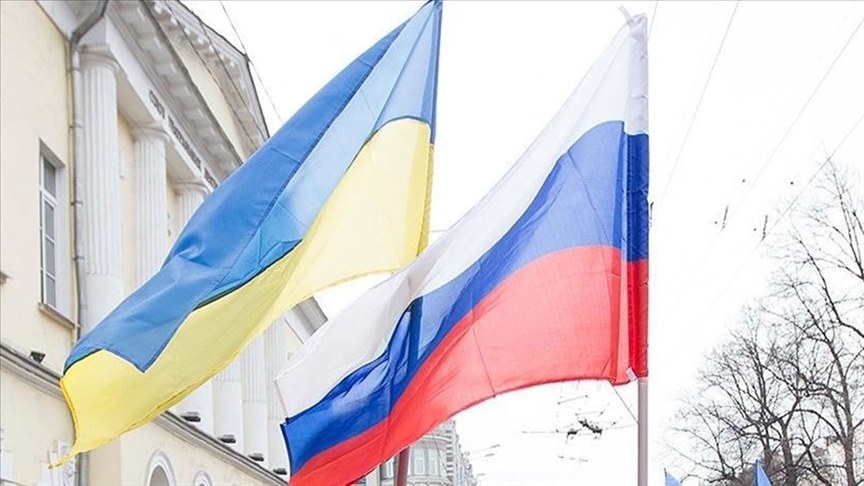
Efforts to end the ongoing conflict between Russia and Ukraine have taken a cautious yet noteworthy step forward as the two sides met for a third round of negotiations in Istanbul. While expectations remain modest, the talks have sparked cautious optimism regarding humanitarian cooperation, including prisoner exchanges and temporary ceasefires for the collection of casualties.
An Overview of the Istanbul Round
The third round of negotiations was held on the evening of July 23 in Türkiye’s largest city, Istanbul. The meeting, which lasted approximately one hour, brought together delegations from both countries in a setting that has seen multiple rounds of diplomatic interaction since the beginning of the war.
Russia was represented by Vladimir Medinskiy, who addressed the press following the session. He announced that a new agreement had been reached concerning the exchange of prisoners and the repatriation of deceased soldiers. In addition, Russia proposed short-term ceasefires lasting 24 or 48 hours to allow for the safe collection of the wounded and the dead from contested areas.
Although the discussions did not yield a comprehensive breakthrough, the fact that humanitarian matters are being prioritized has been seen as a sign of possible momentum in future negotiations.
Russia Signals Openness to Continued Dialogue
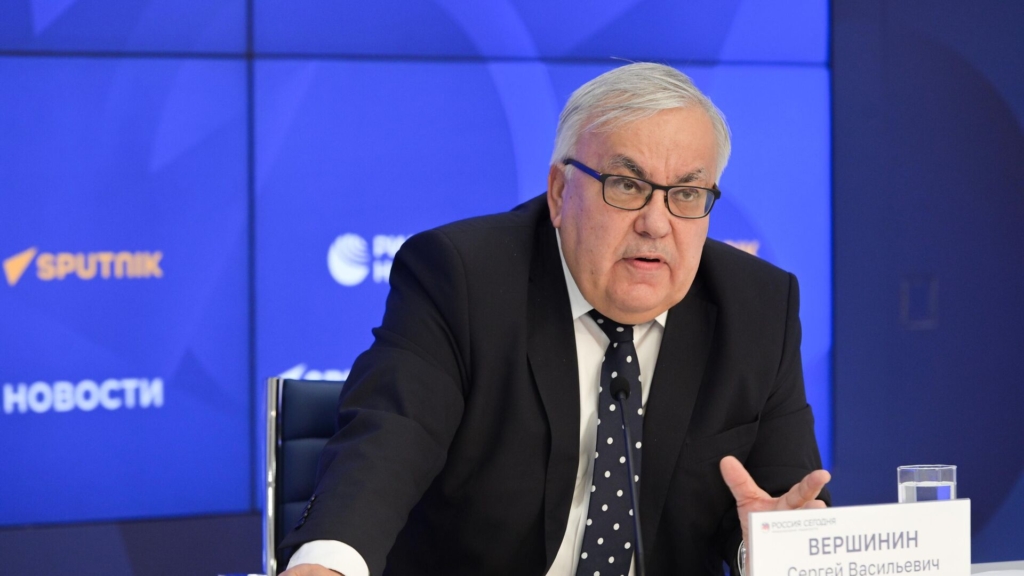
Russian Deputy Foreign Minister Sergey Vershinin stated that three rounds of negotiations have been completed and that Moscow remains open to continuing these discussions. He stressed the importance of thorough preparation for any future high-level meetings and indicated that, without proper groundwork, it would be premature to expect substantive results from senior-level engagements.
This perspective underscores Russia’s cautious approach to the conflict resolution process. While willing to engage in dialogue, the Kremlin appears determined to avoid rushed diplomacy that could jeopardize its long-term strategic interests.
The Role of Türkiye as a Diplomatic Venue
Türkiye continues to play a significant role as a neutral venue for diplomatic engagements between Russia and Ukraine. Istanbul, in particular, has become a symbolic location for peace talks, reflecting Türkiye’s broader aim to act as a regional stabilizer.
Ankara’s unique geopolitical position—maintaining strategic ties with both Moscow and Kyiv—enables it to serve as a bridge between the two adversaries. Turkish officials have consistently advocated for peaceful resolution and have hosted previous rounds of dialogue, as well as brokered key humanitarian initiatives such as the Black Sea grain deal.
Focus Shifts to Humanitarian Coordination
One of the most concrete outcomes from the latest meeting was the advancement of humanitarian coordination. According to Medinskiy, Russia proposed the creation of three working groups to address specific issues in a more focused manner. These include prisoner exchanges, battlefield casualties, and localized ceasefires.
Ukraine reportedly gave assurances that it would consider the proposal seriously. While no official timeline has been announced, the willingness to explore collaborative structures signals that both sides are acknowledging the importance of alleviating civilian suffering and military casualties in the short term.
This shift in focus is a critical one. Although core issues such as territorial disputes and sovereignty remain unresolved, steps toward better humanitarian practices may help build the trust needed for broader peace negotiations in the future.
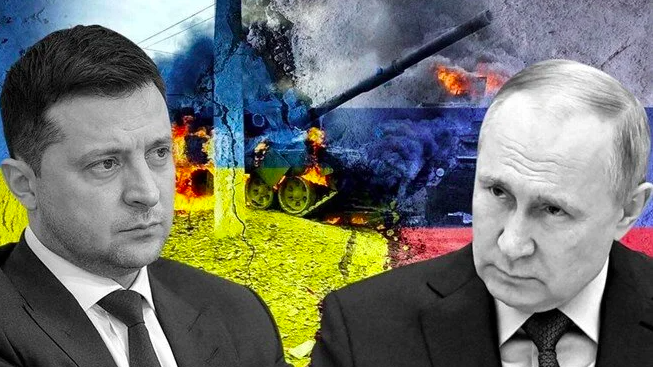
Cautious Optimism in the International Community
The international community has responded with cautious optimism to the news of progress in Istanbul. United Nations representatives and European diplomats have emphasized the importance of any movement that reduces violence and supports humanitarian relief efforts.
Observers note that while the duration and frequency of the talks remain limited, the current willingness to meet and discuss vital concerns should not be underestimated. Small-scale agreements, such as those on prisoner exchanges and casualty repatriation, can lay the groundwork for more comprehensive arrangements over time.
Moreover, these developments may influence other conflict zones where ceasefire proposals and humanitarian corridors are routinely challenged by ongoing violence.
Challenges Ahead in Reaching Sustainable Agreements
Despite the incremental progress, significant challenges persist. The war continues to cause widespread destruction, displacement, and economic hardship on both sides. Deep mistrust, competing narratives, and unresolved strategic objectives pose serious obstacles to any form of long-lasting peace.
There is also the concern that temporary agreements might be used to gain tactical advantages or to regroup militarily, rather than serve as steps toward de-escalation. Therefore, third-party monitoring and verification will likely be critical in ensuring that any ceasefires or humanitarian efforts are honored.
Calls for a Broader Framework
Political analysts suggest that future negotiations may benefit from the inclusion of a more comprehensive framework involving regional stakeholders, international guarantors, and neutral mediators. Such a structure could help formalize ceasefire arrangements and potentially lead to a roadmap for political resolution.
Given the current state of the conflict, trust-building remains paramount. Even limited cooperation—such as the recent agreement on exchanging prisoners and retrieving the wounded—may serve as the basis for a longer dialogue process.
Türkiye’s Role in Future Talks
Türkiye’s continued involvement is expected to be crucial moving forward. Its ability to host and facilitate these sensitive negotiations provides a rare diplomatic channel at a time when most Western powers are viewed with skepticism by Russia and other potential mediators are not fully trusted by Ukraine.
Moreover, Türkiye’s balanced stance and past success in brokering limited agreements provide a strong foundation for future efforts. With the backing of international organizations and regional powers, Türkiye may yet help guide the two nations toward a broader understanding.
Strategic Patience and Diplomatic Resilience
Diplomatic negotiations of this nature often unfold over extended periods. As emphasized by Sergey Vershinin, rushing into top-level talks without careful planning is counterproductive. Instead, a phased approach that builds confidence through smaller, actionable agreements is more likely to yield durable outcomes.
This strategy requires strategic patience and diplomatic resilience from all involved parties. The coming weeks will test whether the progress made in Istanbul can be translated into more structured negotiations, or whether the dialogue will remain confined to humanitarian matters.
A Glimpse of Hope Amid the Crisis
While the Istanbul talks have not resolved the core political and territorial disputes, they have reintroduced dialogue into an otherwise entrenched and hostile conflict. In a war marked by bitter confrontations and immense human suffering, even minor agreements on prisoner exchanges and ceasefires offer a glimpse of hope.
If these gestures of cooperation can be sustained and expanded, they might serve as a gateway to broader peacebuilding efforts. For now, the world watches with tempered expectations, but the doors to dialogue remain open—thanks, in part, to the resilience of diplomatic channels like those maintained in Türkiye.