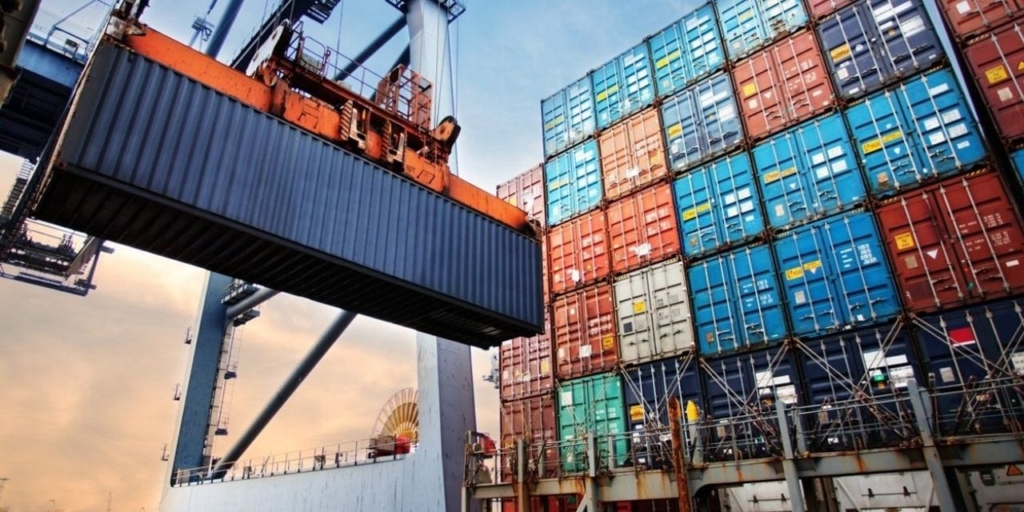

In June 2025, Türkiye witnessed a notable surge in its trade deficit, raising concerns over the country’s foreign trade dynamics and long-term economic stability. According to the latest “Foreign Trade Statistics” released by the Turkish Statistical Institute (TÜİK), the trade deficit expanded by 38.8 percent compared to the same month of the previous year, climbing from 5.889 billion dollars to 8.173 billion dollars.
This significant increase has amplified the spotlight on Türkiye’s import-export structure and reignited debates around policy decisions affecting trade, energy dependency, currency fluctuations, and global market conditions.
Export-Import Ratio Declines as Imports Outpace Exports
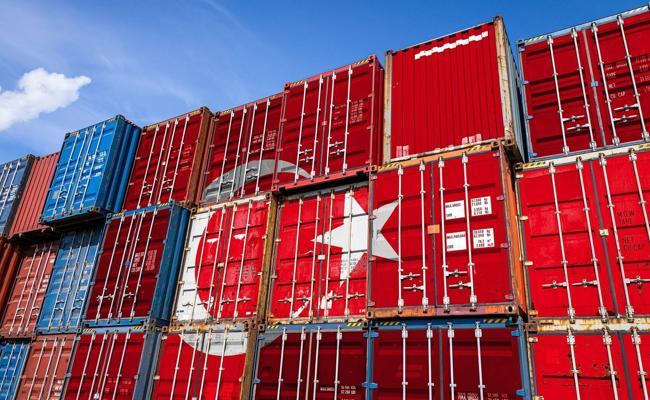
One of the most striking revelations in the June 2025 report is the drop in the export-to-import coverage ratio. While the ratio was 76.4 percent in June 2024, it fell to 71.5 percent in June 2025. This decline suggests that Türkiye’s export growth has not been sufficient to balance its increasing appetite for imports.
Experts point out that this trend, if it continues, could put further pressure on Türkiye’s current account balance, making the economy more vulnerable to external shocks, especially in light of global inflationary trends and volatile energy prices.
Half-Year Review Reveals Worsening Trade Deficit
The cumulative figures for the first six months of the year paint an even more alarming picture. From January to June 2025, Türkiye’s trade deficit rose by 16.3 percent, escalating from 42.504 billion dollars in 2024 to 49.437 billion dollars this year. The export-import coverage ratio for the same period declined from 74.8 percent to 72.7 percent.
Economists interpret this consistent widening of the trade gap as a red flag. While short-term increases in imports may reflect industrial growth or inventory stocking, sustained deficits could deplete foreign currency reserves and lead to greater reliance on external borrowing.
What Drives the Increase in Imports
Several factors contribute to the increasing volume of imports. First and foremost is Türkiye’s continued dependency on imported energy sources such as oil and natural gas. Despite national efforts to enhance renewable energy capacity and nuclear energy development, fossil fuel imports still represent a major portion of total import expenditure.
Additionally, industrial inputs including machinery, electronic components, and raw materials are heavily sourced from foreign suppliers. This dependence is rooted in Türkiye’s role as a key manufacturing hub for Europe and the Middle East, especially in sectors like automotive, textiles, and household appliances.
Moreover, the depreciation of the Turkish Lira over the past year has inflated the cost of imported goods. While a weaker currency typically encourages export growth by making local products cheaper in foreign markets, in Türkiye’s case, the structural reliance on imports has overridden this potential advantage.
Export Challenges in a Volatile Global Economy
Although Türkiye has made strides in diversifying its export markets and enhancing the competitiveness of its manufacturing sector, global conditions remain less than ideal. Demand from key trading partners in Europe has softened due to economic slowdowns, while geopolitical instability in neighboring regions has disrupted traditional trade routes and logistics chains.
The agricultural sector, once a strong export pillar, is grappling with climate change, drought, and production volatility. Meanwhile, tourism-generated exports, which include services and hospitality-linked trade, have yet to fully recover from the aftershocks of the COVID-19 pandemic and recent regional tensions.
Policy Responses and Strategic Outlook
In response to the growing trade deficit, the Turkish government has been emphasizing domestic production and technological innovation. Initiatives like the National Technology Move aim to reduce reliance on imported intermediate goods by fostering high-tech manufacturing and supporting local startups.
However, experts argue that structural reforms are necessary to address deeper inefficiencies in the economy. These include reducing energy dependency through accelerated investment in renewable sources, modernizing the logistics infrastructure, and renegotiating trade agreements to improve access to emerging markets.
Türkiye’s central bank may also adjust its monetary policy to stabilize the currency and control inflation, both of which are indirectly linked to trade imbalances.
Impacts on the Broader Economy
A widening trade deficit carries multiple consequences for the economy. It can strain the current account balance, weaken investor confidence, and trigger currency depreciation. These factors may in turn lead to higher inflation, which disproportionately affects lower-income households.
On the other hand, a moderate trade deficit is not inherently negative, especially for growing economies with high import needs for infrastructure and development. The key lies in ensuring that imports are channelled into productive investments rather than consumption alone.

Analyst Commentary and Market Perspectives
Market analysts remain divided on the implications of Türkiye’s growing trade deficit. Some view it as a short-term phenomenon tied to seasonal fluctuations and global commodity cycles. Others warn that the trend may persist unless significant structural changes are implemented.
“Türkiye’s export base has grown stronger over the past decade, but it’s not yet resilient enough to absorb shocks from import-heavy sectors,” said Dr. Selim Yılmaz, an economist at the Türkiye Institute for Economic Studies. “We need to shift focus from volume to value in our export strategy.”
A Call for Resilience and Strategic Planning
The June 2025 trade statistics serve as a wake-up call for policymakers, businesses, and investors. Türkiye stands at a crossroads where decisive action is essential to balance growth with sustainability. With the right mix of innovation, fiscal discipline, and international cooperation, Türkiye can transform its trade deficit into an opportunity for economic renewal.
Until then, continuous monitoring and agile policy adjustments will be critical to safeguard the nation’s financial stability and preserve its competitive position in the global market.