
In recent days, Gaziantep has been grappling with frequent and prolonged power outages, significantly impacting daily life and local economic activity. The disruptions have prompted swift action at both municipal and national levels, as authorities gather to find lasting solutions to the city’s energy infrastructure problems.
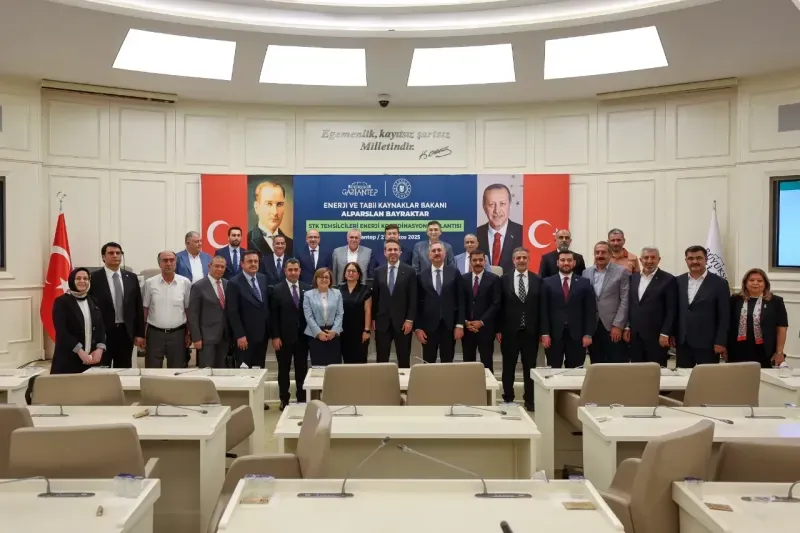
Government Officials Convene in Gaziantep Over Energy Crisis
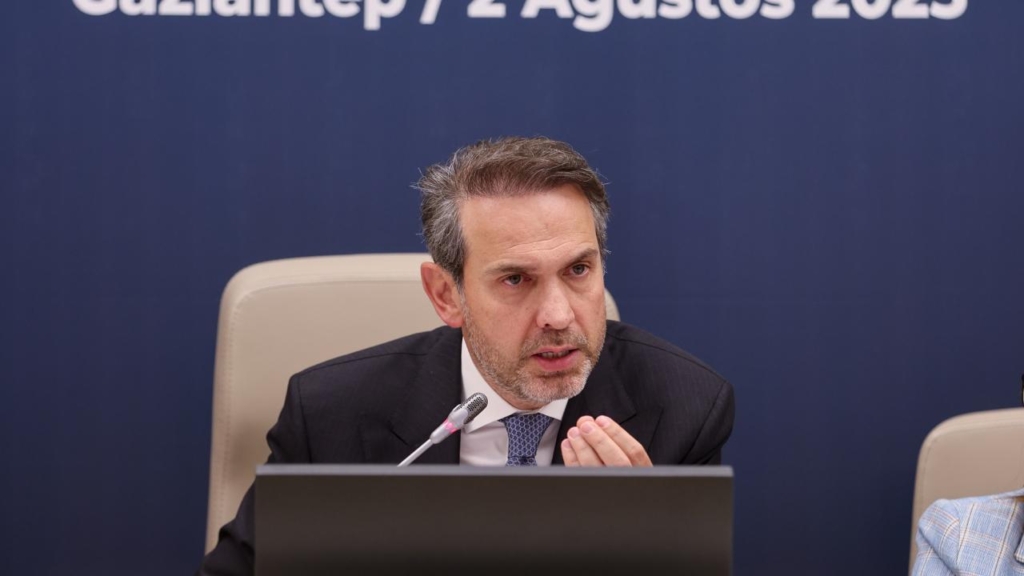
Responding to growing concerns from residents and local officials, Energy and Natural Resources Minister Alparslan Bayraktar visited Gaziantep upon the invitation of Metropolitan Mayor Fatma Şahin. The high-level meeting was held at the Gaziantep Metropolitan Municipality Council Hall, drawing a wide spectrum of attendees including district mayors, institutional leaders, representatives from civil society organizations, professional chambers, and key figures from energy distribution companies.
The gathering aimed to address the causes behind the surge in blackouts and develop short- and long-term action plans to stabilize the city’s energy grid. The move signals a shift in governmental focus toward energy supply security, particularly in rapidly growing urban centers like Gaziantep.
Minister Bayraktar Warns of Delays in Energy Infrastructure Development
During the discussions, Minister Bayraktar directly called out delays in the enhancement of electrical distribution capacity and the sluggish pace of infrastructure renewal. The minister did not shy away from holding institutions accountable, asking pointed questions about the negligence that led to widespread power failures. Stressing the toll these outages take on both households and businesses, Bayraktar emphasized the urgency of implementing tangible solutions before further public harm occurs.
“People should not be left in the dark—literally and figuratively—because of avoidable delays and bureaucratic inertia,” he remarked, underscoring the importance of reliable energy for public safety and economic sustainability.
Enerjisa Toroslar Shares Technical Insights and Diagnostic Findings
Enerjisa Toroslar Elektrik, the region’s primary electricity distributor, presented technical analyses outlining the root causes of the current blackouts. According to the company’s report, several districts in Gaziantep are facing severe stress on their power distribution lines due to outdated infrastructure, rapid urban expansion, and seasonal weather factors.
The technical team highlighted frequent transformer overloads, deteriorating underground cables, and delays in maintenance schedules as key contributors to the outages. With parts of the city undergoing construction and population density increasing in certain neighborhoods, the electrical grid is struggling to meet demand.
Citywide Energy Mapping Reveals Infrastructure Gaps
In a detailed review of Gaziantep’s energy map, experts pointed to multiple “hot zones” where the risk of outage is significantly higher. These zones are often characterized by aging power lines and insufficient transformer capacity. Stakeholders discussed proposals such as upgrading low-voltage lines to medium-voltage alternatives, investing in smart grid technologies, and accelerating the deployment of renewable microgrids in outer districts.
In addition, digital monitoring tools are being considered to provide real-time diagnostics, which would allow faster response to faults and minimize downtime. By integrating technology-driven solutions, city officials aim to not only fix existing problems but also build resilience for the future.
Mayor Fatma Şahin Leads Efforts to Secure Reliable Energy
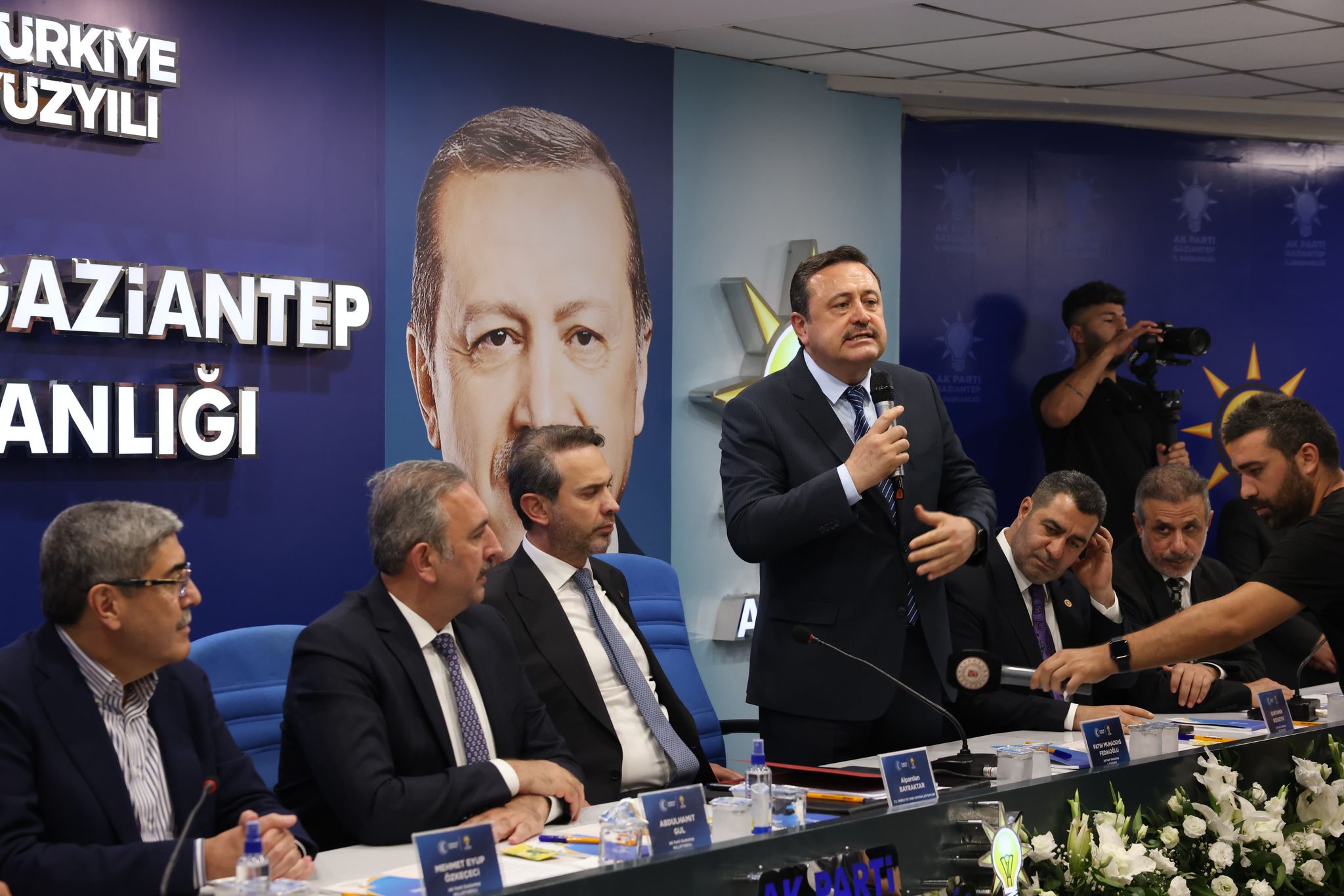
Mayor Şahin played a key role in organizing the meeting, reflecting the municipality’s commitment to proactive governance. During her remarks, she emphasized the necessity of treating electricity as a fundamental service that touches every aspect of urban life—from hospitals and schools to small businesses and homes.
“We cannot talk about development, education, or public health if our citizens are constantly dealing with power interruptions,” she said. Her firm stance on energy reliability reflects a broader strategy to position Gaziantep as a future-ready city with a modern and sustainable infrastructure framework.
Proposed Solutions and Actionable Roadmap
The attendees explored several proposals that span both immediate fixes and long-term investments. Among the short-term solutions discussed were emergency maintenance programs, temporary mobile generators in critical service zones, and public communication campaigns to help residents report outages more efficiently.
For long-term planning, a multi-phase grid expansion project was proposed, including:
Building additional substations in underserved areas
Integrating solar energy farms to reduce load on the main grid
Upgrading existing transformers and circuit protection systems
Training local technical teams for faster response and repair
Minister Bayraktar confirmed that these suggestions would be assessed swiftly and turned into concrete projects with defined timelines. Funding partnerships between local and national institutions, as well as potential support from international development banks, are also being explored.
Voices from Civil Society and the Business Sector
Various NGOs and business associations present at the meeting echoed the concerns voiced by citizens. Retailers cited massive losses due to product spoilage and non-functioning payment systems during outages, while hospitals and clinics emphasized the risks posed to patient safety during even brief interruptions.
Engineers and energy experts in attendance argued for an increase in energy efficiency programs and educational outreach to encourage smart electricity use among residents. These auxiliary efforts would not only ease the burden on the current grid but also foster a more energy-conscious public.
Commitment to Transparency and Accountability
A defining aspect of the meeting was the public nature of the dialogue and the clarity with which problems were acknowledged. Minister Bayraktar’s direct approach, combined with the municipality’s willingness to engage multiple stakeholders, sets a precedent for transparent governance.
After the meeting concluded, the Minister signed the Gaziantep Metropolitan Municipality’s Honor Book, symbolizing a pledge of collaboration and sustained attention to the city’s pressing needs.
A Turning Point for Gaziantep’s Energy Future
The urgency surrounding the recent power outages has catalyzed a more coordinated and inclusive approach to urban energy management in Gaziantep. As Türkiye continues to urbanize and modernize its infrastructure, cities like Gaziantep play a vital role in setting standards for responsiveness and innovation.
While challenges remain, the unified stance from government officials, energy providers, and local leaders offers a hopeful vision for a more stable and efficient electricity future. By turning crisis into opportunity, Gaziantep may well become a model for other metropolitan areas across Türkiye facing similar issues.