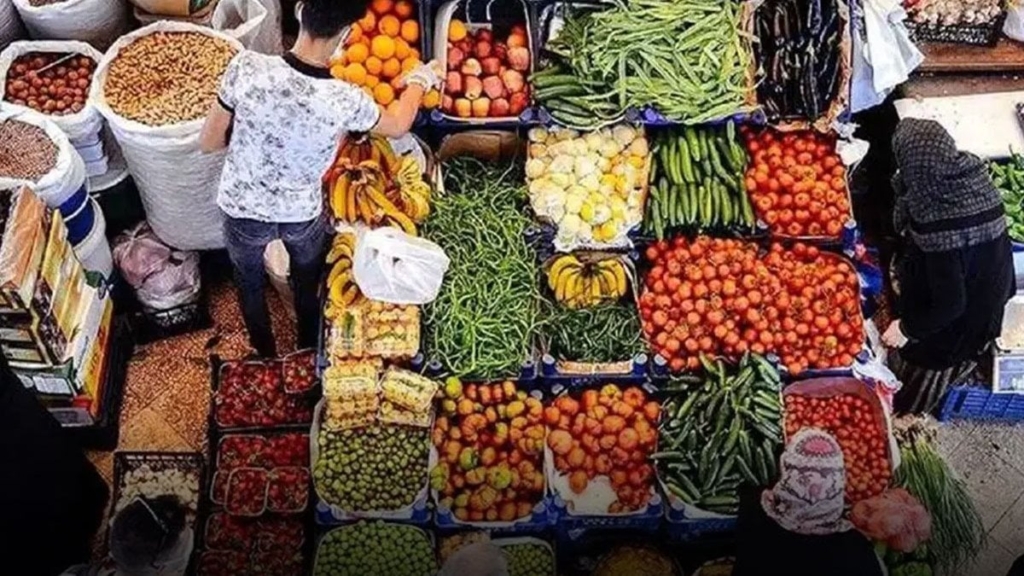

The Istanbul Chamber of Commerce (İTO) released its July 2025 retail price index, revealing notable shifts in local market prices. Monitoring 336 core items across different categories, researchers found that 186 items rose in price while 38 items decreased. Such data offers valuable insight into Turkey’s consumer inflation patterns, particularly during peak summer months.
Major price increases in food, energy, and travel
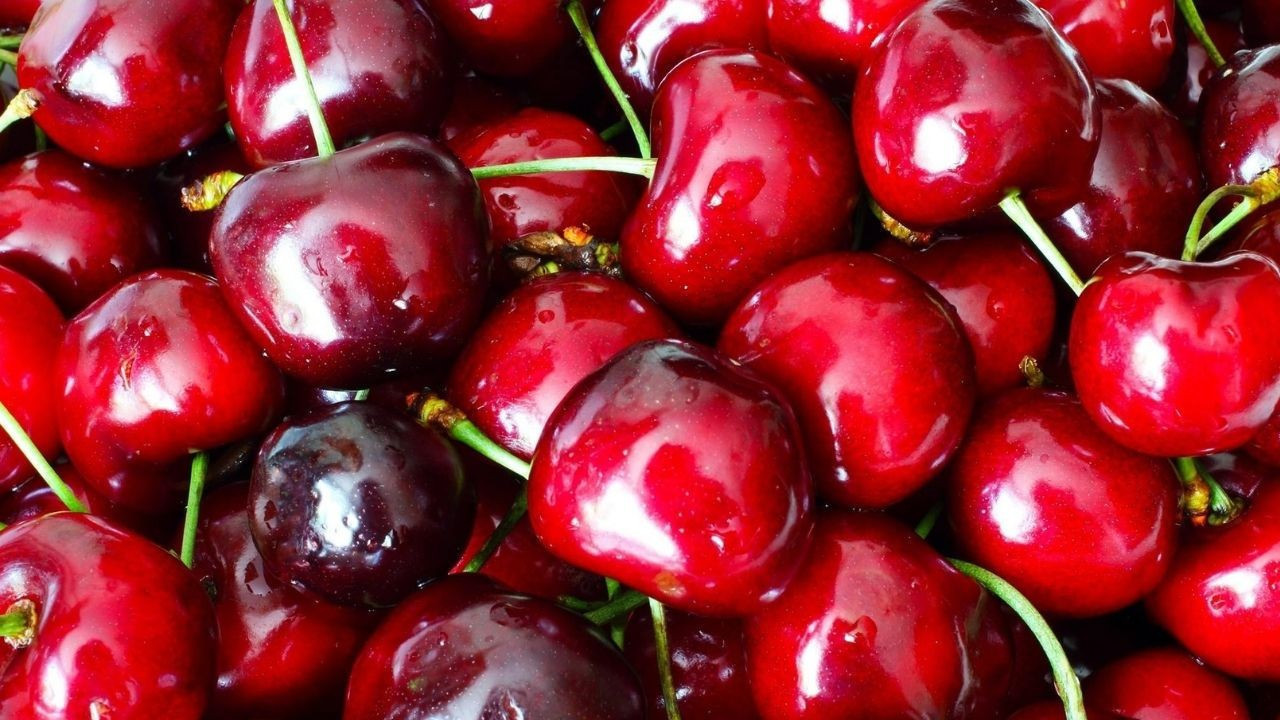
Cherry prices spike nearly 30 percent
In the food and non‑alcoholic beverages category, cherries recorded the largest price increase, climbing by 29.49 percent in July. The jump reflects both limited seasonal supply and increased consumer demand for fresh cherry varieties.
Natural gas surges under housing category
Housing expenses rose sharply as natural gas prices increased by 28.69 percent. This spike occurred amid general spikes in summer energy usage and regulatory changes influencing consumption costs.
Airfares rise amid travel season
The airline ticket category saw significant inflation, with ticket prices rising 27.96 percent. Summer tourism and increased domestic travel boosted demand, pressuring fares upward.
Other significant price increases in produce and services
Several seasonal fruits and essential goods showed double-digit price increases in July:
Strawberries: 28.46 percent
Lemons: 25.10 percent
Tomatoes: 19.77 percent
Green chili pepper (sivri biber): 19.48 percent
Sweet green pepper (çarleston): 18.97 percent
Pears: 17.25 percent
Apricots: 10.40 percent
Healthcare and literature facing inflation
Services also saw meaningful increases. Surgery fees and specialist doctor consultations rose by 20 percent each. In the cultural sphere, the price of literary books increased 19.86 percent, revealing inflationary pressure extending beyond groceries into entertainment and education.
Seasonal discounts bring relief on produce prices
Watermelon price falls nearly 50 percent
Leading the deflation side, watermelon dropped by 49.47 percent in July. The sharp decline reflects abundant seasonal harvest entering markets, pushing prices down.
Other notable produce declines
Several other fruits and vegetables also saw lower prices:
Melons: 40.51 percent
Cucumbers: 17.65 percent
Plums: 17.52 percent
Zucchini: 14.93 percent
Parsley: 10.15 percent
Eggplant: 7.60 percent
Green beans: 7.51 percent
Carrots: 5.79 percent
Spring onions: 4.96 percent
Dry onions: 4.71 percent
Potatoes: 3.84 percent
Garlic: 3.10 percent
Bananas: 3.03 percent
Eggs: 2.51 percent
Bell peppers: 2.19 percent
These declines point to successful seasonal supply chains and regional production gains boosting homegrown yield and reducing retail costs.

Patterns reveal broader inflationary dynamics
Seasonal supply vs persistent inflation
A clear pattern emerges: seasonal, high-yield produce exhibits significant price reductions, whereas demand-driven or supply-restricted items continue to push upward. The contrast underscores the dual nature of inflation in Türkiye—seasonal and structural.
Grocery inflation amplified by broader monitoring
While food items dominate the consumer index shifts, inflation extends into energy, travel, healthcare, and education. This indicates that inflation is embedded across consumer sectors, not limited to volatile goods like seasonal fruits.
Consumer implications and budget consequences
Pressure on household spending
July data reveals mounting pressure on household budgets. The surge in staple items like cherries, tomatoes, and natural gas consumption coincides with higher service costs in healthcare and entertainment, reducing discretionary spending capacity.
Seasonal relief for produce-heavy households
Despite broader inflation, families purchasing seasonal produce such as watermelons and cucumbers benefit from temporary price relief. These savings offer modest comfort amid rising heat and economic strain.
The macroeconomic context behind ITO data
Inflation targets and policy implications
Türkiye’s broader inflation has remained elevated relative to global benchmarks. The ITO index reflects real-world impact at the consumer level while policy watchers await monetary and fiscal interventions to stabilize prices.
Agricultural policy and price stabilization
Government crop yield forecasts, export controls, and regional procurement can shape price dynamics. Enhanced support for seasonal harvest periods helps contain spikes in perishable goods. Conversely, supply-side bottlenecks in energy and travel reduce affordability.
Comparative signals from other cities and regions
While the ITO index reflects Istanbul, similar pricing trends are likely present in other major urban centers and rural districts. Seasonal trends in produce and structural inflation in service sectors are expected nationwide. Cross-regional comparisons may reveal differences in transport costs, local taxation, and retail layer markups influencing final consumer prices.
Data relevance for policymakers and consumers
Transparency supports informed decision‑making
By publishing detailed retail price changes monthly, İTO empowers consumers and policymakers with data-based insight. Households can adjust shopping behavior and budget allocations accordingly.
Monitoring month‑to‑month changes
With 186 items showing price increases and only 38 decreasing, the ratio highlights structural inflation. Continuous tracking can help policymakers assess sector-specific pressures and consumer sentiment.
Reflecting on broader economic resilience
Short‑term relief not equal to structural cure
Seasonal price drops can offer temporary relief, but sustained inflation in housing, energy, and services suggests deeper issues. Consumers and authorities must recognize that short-term affordability gains do not resolve long-term purchasing power erosion.
Future price volatility expected
As the year progresses, weather disruptions, harvest yields, global commodity price shifts, and fiscal policy adjustments could further reshape consumer prices. The current trend suggests volatility will remain through autumn and winter without corrective action.
Summary of July 2025 price movements
The July consumer index serves as a snapshot of Türkiye’s inflation landscape. While seasonal produce like watermelons provided much-needed discounts, essential goods and services pushed costs higher. Understanding these dynamics helps navigate daily life and anticipate the economic path ahead.