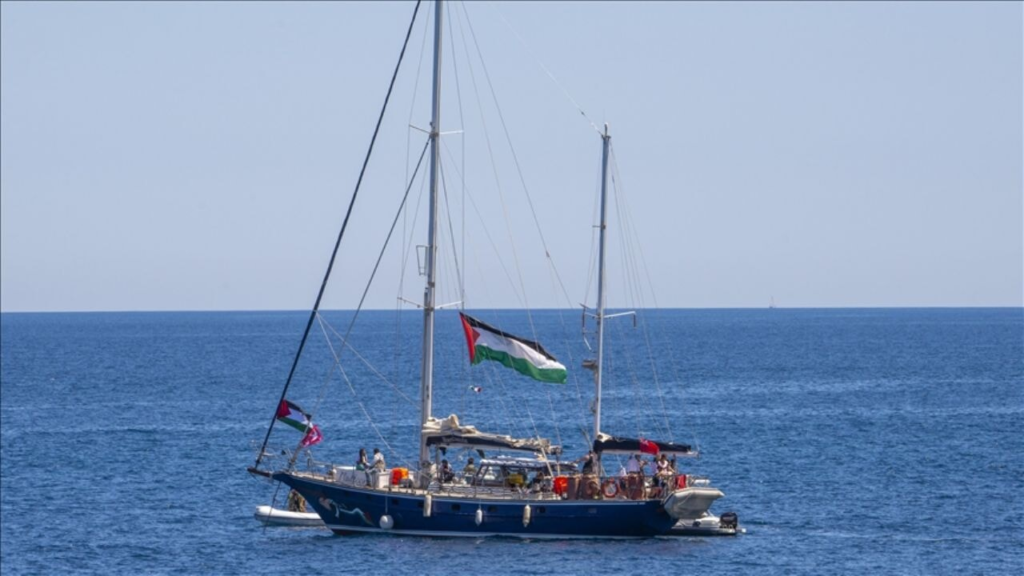

A sweeping civilian-led humanitarian initiative is preparing to break through the longstanding Israeli blockade on Gaza, aiming to deliver essential aid and raise global awareness. Known as the “Global Resolve Flotilla,” this ambitious effort involves dozens of boats from around the world, scheduled to set sail toward the shores of Gaza starting in late August.
Organizers say the flotilla represents an unprecedented level of international coordination, bringing together civil society groups, humanitarian organizations, and over six thousand activists. Their collective mission is to challenge what they describe as an illegal and inhumane blockade that has contributed to food shortages and a humanitarian crisis in Gaza.
A Unified Civilian Front from Across Continents
In Tunisia, representatives from the Palestinian Joint Action Coordination and members of the Global Resolve Flotilla gathered at the headquarters of the Tunisian General Labor Union to hold a press conference. Speaking at the event, activist Haifa al-Mansuri emphasized that representatives from 44 countries had converged in Tunisia to coordinate the effort.
The initiative combines four major movements: the Moroccan Resolve Flotilla, the Global Movement to Gaza, the East Asia Initiative, and the Freedom Flotilla. These groups have joined forces to carry out what they describe as the first globally synchronized civilian mission to Gaza via sea.
“Our shared goal is clear,” said al-Mansuri. “We are here to break the unlawful siege on Gaza, to open a humanitarian corridor by sea, and to contribute to ending the ongoing genocide against the Palestinian people. By the end of this summer, large and small vessels alike will launch simultaneously from various coasts around the world toward Gaza.”
Scheduled Launches and a Surge in Activist Support
According to al-Mansuri, the flotilla’s first wave is scheduled to depart from Spain on August 31, followed by a second launch from Tunisia on September 4. These missions are expected to be joined by several others in a cascade of departures throughout the early fall.
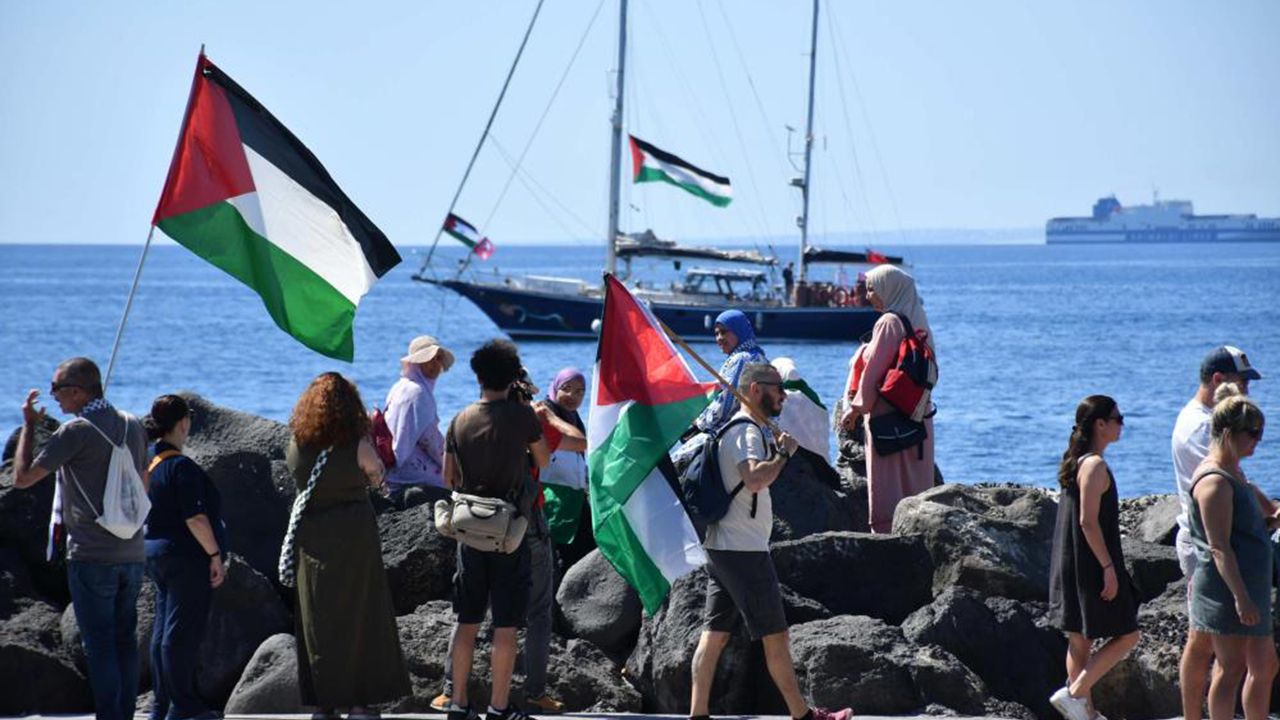
Activist and flotilla member Seyf Abu Kishk noted that more than 6,000 activists from across the globe have applied to take part in the mission. These volunteers plan to hold events, set up temporary camps, and engage in local outreach at the ports of departure before embarking.
“This is a civilian-driven initiative designed to put pressure on governments to act against the blockade,” Abu Kishk explained. “With dozens of vessels and thousands of participants, we are uniting to demand that access to humanitarian aid is no longer obstructed.”
Previous Missions Met with Israeli Force
This new flotilla mission follows in the footsteps of earlier civilian efforts to reach Gaza by sea—many of which have faced interception by Israeli forces.
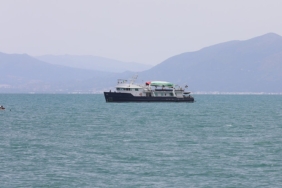
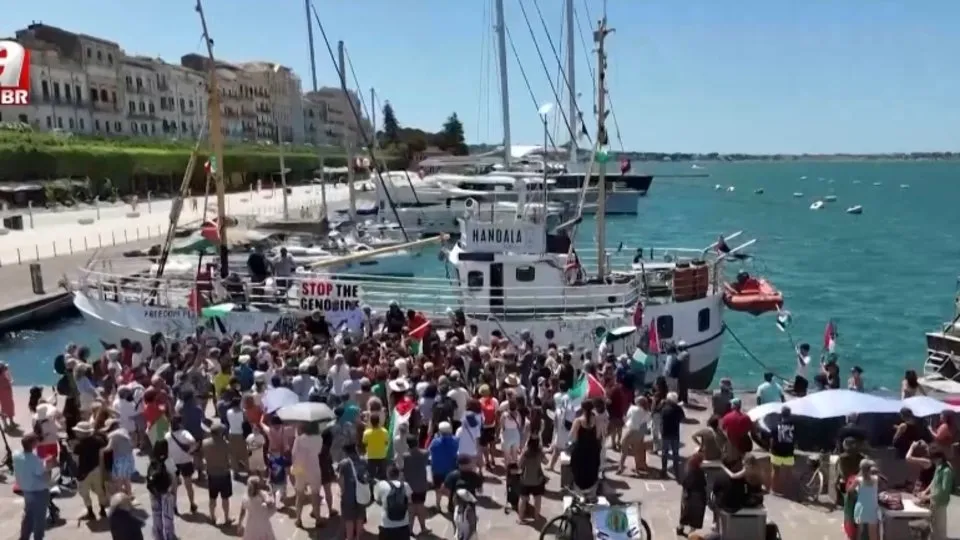
One such vessel, the Hanzala, departed from Italy’s Syracuse Port on July 13, carrying humanitarian supplies and 21 activists from 10 different countries. Despite its peaceful mission, Hanzala was intercepted in international waters late on July 26. According to a statement released by the Freedom Flotilla Coalition, Israeli forces boarded the vessel, dismantled security cameras, and towed the ship toward Israeli territory.
By July 27, the ship had been taken to the port of Ashdod. Two of the activists, who held Israeli citizenship, were released after police questioning. On July 28, five international activists were deported, while 14 others were detained and held at Givon Prison near Ramla.
Eventually, seven of the detained activists were deported on July 29, followed by the remaining five shortly thereafter. This cycle of detainment and deportation has become a common pattern in Israel’s handling of civilian flotillas.
The Madleen Incident and International Repercussions
Before Hanzala, another humanitarian vessel—the Madleen—faced a similar fate. Launched on June 1 from San Giovanni Li Cuti Port in Catania, Italy, the 18-meter ship was organized by the Freedom Flotilla Coalition and aimed to deliver aid directly to Gaza.
On June 9, Israeli forces intercepted the ship at sea. Among the 12 detained activists were several prominent figures, including Rima Hassan, a French member of the European Parliament; Yasemin Acar, a German press coordinator for the Freedom Flotilla Coalition; Hüseyin Şuayb Ordu from Türkiye; Thiago Avila from Brazil; and Swedish climate activist Greta Thunberg.
The detentions drew international criticism, with four of the activists deported on June 10. The remaining participants were released in the following days. On June 16, the Freedom Flotilla Coalition announced that all human rights defenders involved in the mission had been freed.
Global Outcry and the Humanitarian Crisis in Gaza
Israel’s blockade on Gaza has long been condemned by human rights groups and humanitarian organizations. With severe restrictions on the flow of goods, medicine, food, and building materials, the blockade has deepened an already dire situation in Gaza. According to international observers, malnutrition, lack of clean water, and collapsing infrastructure are daily realities for millions living in the enclave.
This most recent coordinated effort by the Global Resolve Flotilla is not just a symbolic act of resistance—it’s a direct attempt to provide critical relief and generate sustained global pressure. Organizers argue that continued silence in the face of such suffering is a form of complicity.
“We are not only delivering food or medicine,” said one flotilla coordinator via social media. “We are delivering a message—that the world is watching, and that the people of Gaza are not alone.”
Risks at Sea, Hope on the Horizon
Despite the risks, participants remain determined. Many of the vessels being prepared are modest in size and crewed entirely by civilian volunteers. Activists are aware that boarding, arrest, and deportation are likely outcomes—but they press on, convinced that public pressure and international media coverage can shift the narrative.
Experts also warn of the escalating humanitarian crisis in Gaza as Israel continues to restrict aid. With each failed mission and intercepted vessel, the tension between humanitarian obligations and political enforcement grows sharper.
The flotilla’s backers stress that the campaign is strictly non-violent. All participants are trained in peaceful resistance, and the missions are carefully coordinated to comply with international maritime laws. Their hope is not just to break the siege—but to change minds and policies globally.
A Historic Moment in Civilian Resistance
With participation from 44 countries and support from grassroots organizations around the world, the Global Resolve Flotilla is emerging as one of the most significant civilian-led humanitarian efforts in recent years. Its scale and organization reflect a new level of commitment and coordination that may mark a turning point in how the international community responds to the crisis in Gaza.
Whether these missions succeed in reaching their destination or are once again turned away, their impact is already being felt. From Tunis to Catania, from activist networks to social media campaigns, the cry for justice and aid is echoing louder than ever.