
In a rare and deeply emotional public declaration, acclaimed Israeli novelist and intellectual David Grossman has used the term “genocide” for the first time to describe Israel’s military actions in Gaza. Known for his thoughtful, often restrained criticism of Israeli policies, Grossman’s decision to invoke such a charged term marks a turning point in the discourse among Israeli liberals and international observers.
The statement, delivered in an interview with Italy’s La Repubblica and republished by Israel’s Haaretz newspaper, has already ignited intense discussion in political and literary circles alike. Grossman, long recognized for his efforts toward Israeli-Palestinian reconciliation and a two-state solution, said he could no longer remain silent in the face of what he described as moral and humanitarian catastrophe.
“I Can No Longer Avoid the Word”
“I am someone who has always avoided calling Israel a state that commits genocide,” Grossman told La Repubblica. “But now, with a broken heart and deep sorrow, I must say: this is what is happening before my eyes in Gaza.”
These words are especially striking coming from Grossman, a figure whose public commentary has historically been measured and cautious. As one of Israel’s most respected literary voices, his departure from diplomatic language suggests a profound personal and moral reckoning, driven by the sheer scale of human suffering in Gaza.
Grossman emphasized that his use of the term was not a rhetorical device or a political provocation, but a reflection of his “physical nausea” upon witnessing the escalating death toll in the enclave. “Even when some figures come from Hamas,” he said, “they do not reduce the magnitude of the horror I feel.”
A Moral Crisis for Israel
Grossman went on to say that Israel being increasingly associated with starvation—amid global reports of humanitarian blockades and collapsed food systems in Gaza—is a disaster for the country’s moral legacy.
“This is devastating,” he explained, “not only in terms of international reputation, but also regarding the ethical values that Israel has long claimed as central to its identity.”
The stark moral framing of the conflict reflects a growing tension within Israel’s intellectual and civil society communities, many of whom fear that the country is drifting away from its founding ideals. Grossman’s statement serves as a powerful emblem of this internal disillusionment.
Reaffirming the Two-State Vision
Despite his condemnation of Israel’s current military strategy, Grossman reiterated his belief in a two-state solution—a framework he has long supported in both political writing and fiction. “I have not lost hope in coexistence,” he said, even as he acknowledged how distant that goal now seems.
He sharply criticized ministers in the Israeli government who have called for the reoccupation of Gaza and the reconstruction of settlements in the territory. “These calls will only lead to more destruction and bloodshed,” he warned.
Grossman’s emphasis on diplomacy and long-term vision contrasts with the hardline rhetoric currently dominating Israeli political discourse. His comments suggest that continuing the current path of military escalation and territorial ambitions will only entrench division and prolong suffering on both sides.
Historical Context and Personal Reflection
The author drew a direct line from Israel’s current actions to its past, stating: “We left Gaza in 2005 not as an act of charity, but because we couldn’t protect our own people there.”
In one of his most powerful reflections, Grossman declared: “The curse on Israel began in 1967, with the occupation of Palestinian territories.” This assertion underscores his belief that Israel’s moral and strategic decline is rooted in decades of unresolved conflict and territorial control, not merely the current government’s policies.
For Grossman, this is not just a political critique—it is a reckoning with his country’s soul. His words carry weight not only because of his literary reputation but also because of his personal history. He lost his son Uri, a soldier in the Israeli Defense Forces, during the 2006 Lebanon War. This tragic loss has long shaped Grossman’s advocacy for peace and his empathy for both sides of the conflict.
Public and Political Reactions
Grossman’s use of the term genocide has already divided public opinion. Supporters argue that it brings long-overdue clarity to Israel’s role in Gaza, while critics accuse him of betraying national unity during wartime. Some politicians have dismissed his statement as “radical,” while others within Israel’s cultural scene have expressed solidarity.
Internationally, Grossman’s words are being echoed by human rights advocates, NGOs, and legal scholars who have questioned the proportionality and legality of Israel’s military operations in Gaza. His voice adds intellectual legitimacy to accusations that were once confined to the margins of political debate.
Grossman’s Legacy and the Cultural Reckoning
This moment may prove to be a defining chapter in David Grossman’s long and complex relationship with his country. Known for novels like To the End of the Land and See Under: Love, he has always used literature to explore themes of identity, loss, and conflict. But now, his political voice has taken center stage—and it demands to be heard.
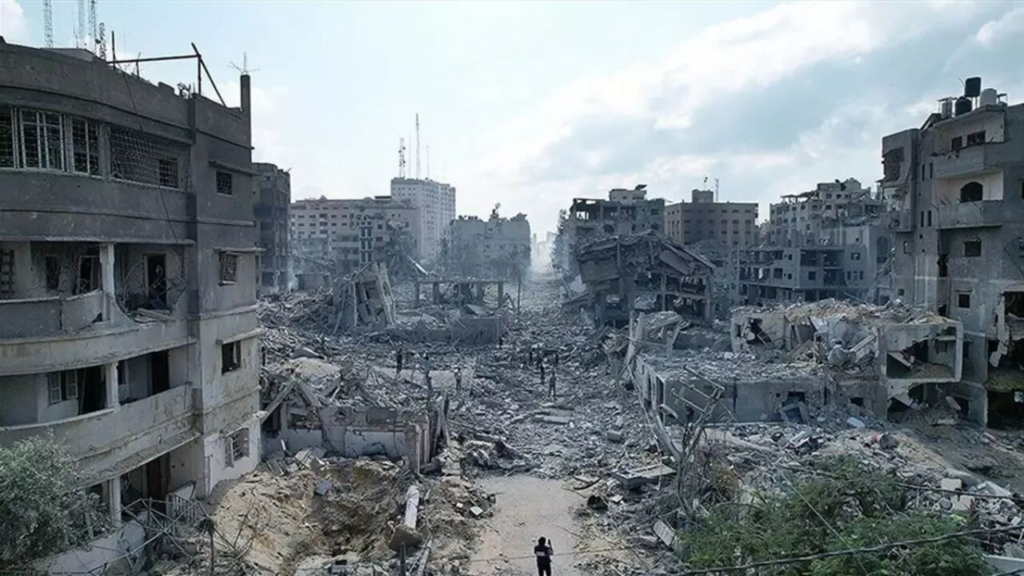
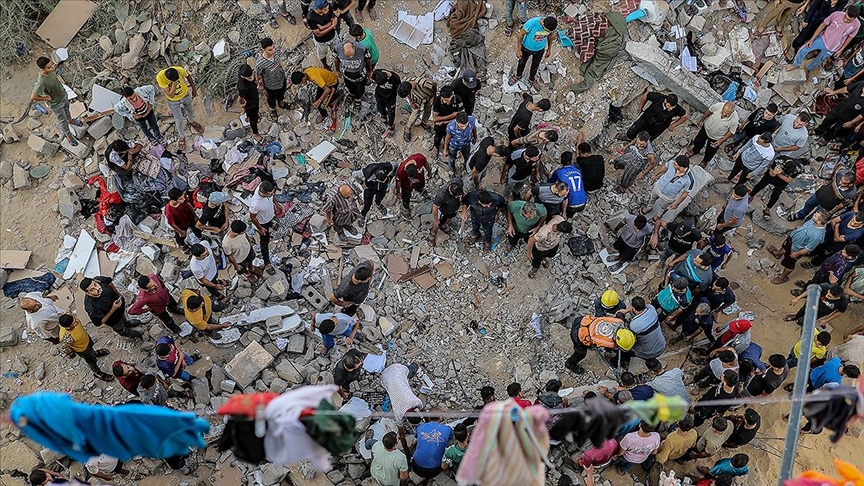
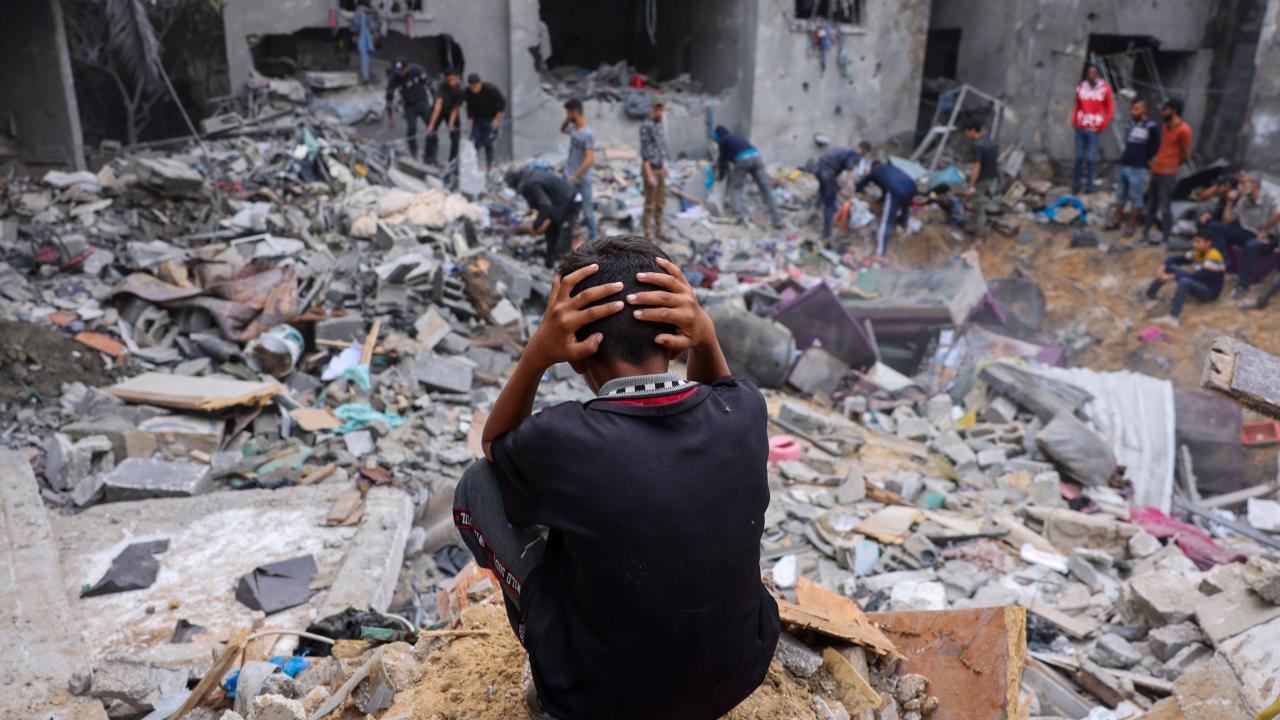
His comments arrive during a period of profound crisis for both Israelis and Palestinians. With thousands of civilians dead, infrastructure in ruins, and diplomatic efforts stalled, Grossman’s moral plea offers a rare moment of reflection in an increasingly polarized and militarized discourse.
His statement is not a condemnation of Israel’s existence but a cry to preserve its humanity. In doing so, he challenges not just his government, but every citizen to reconsider what kind of nation they wish to build—and what they are willing to accept in its name.