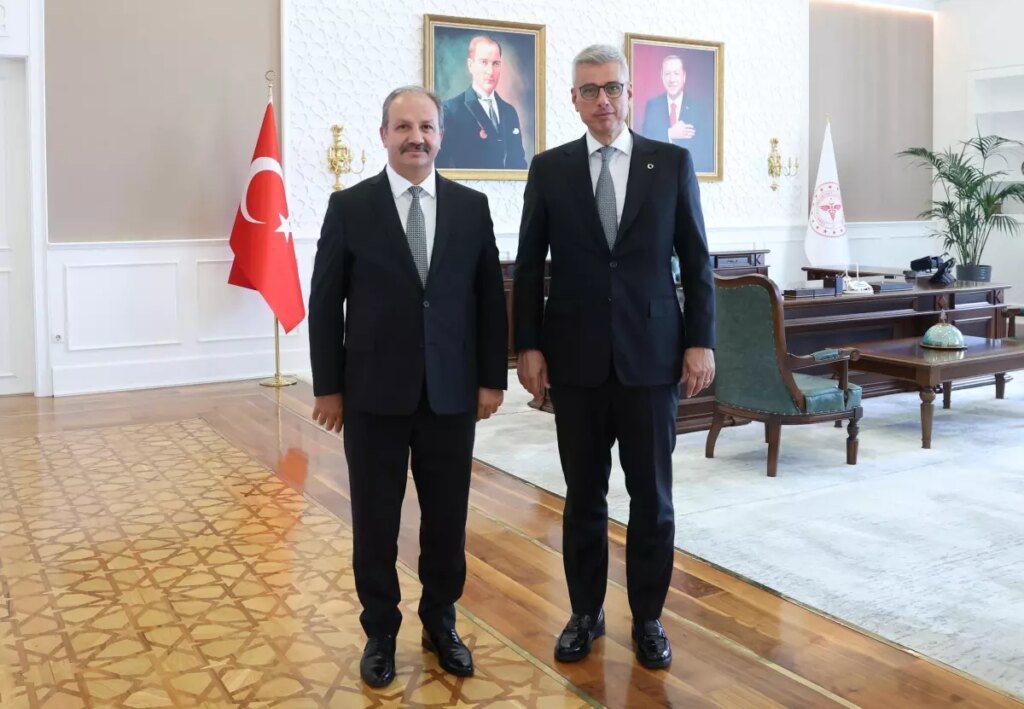

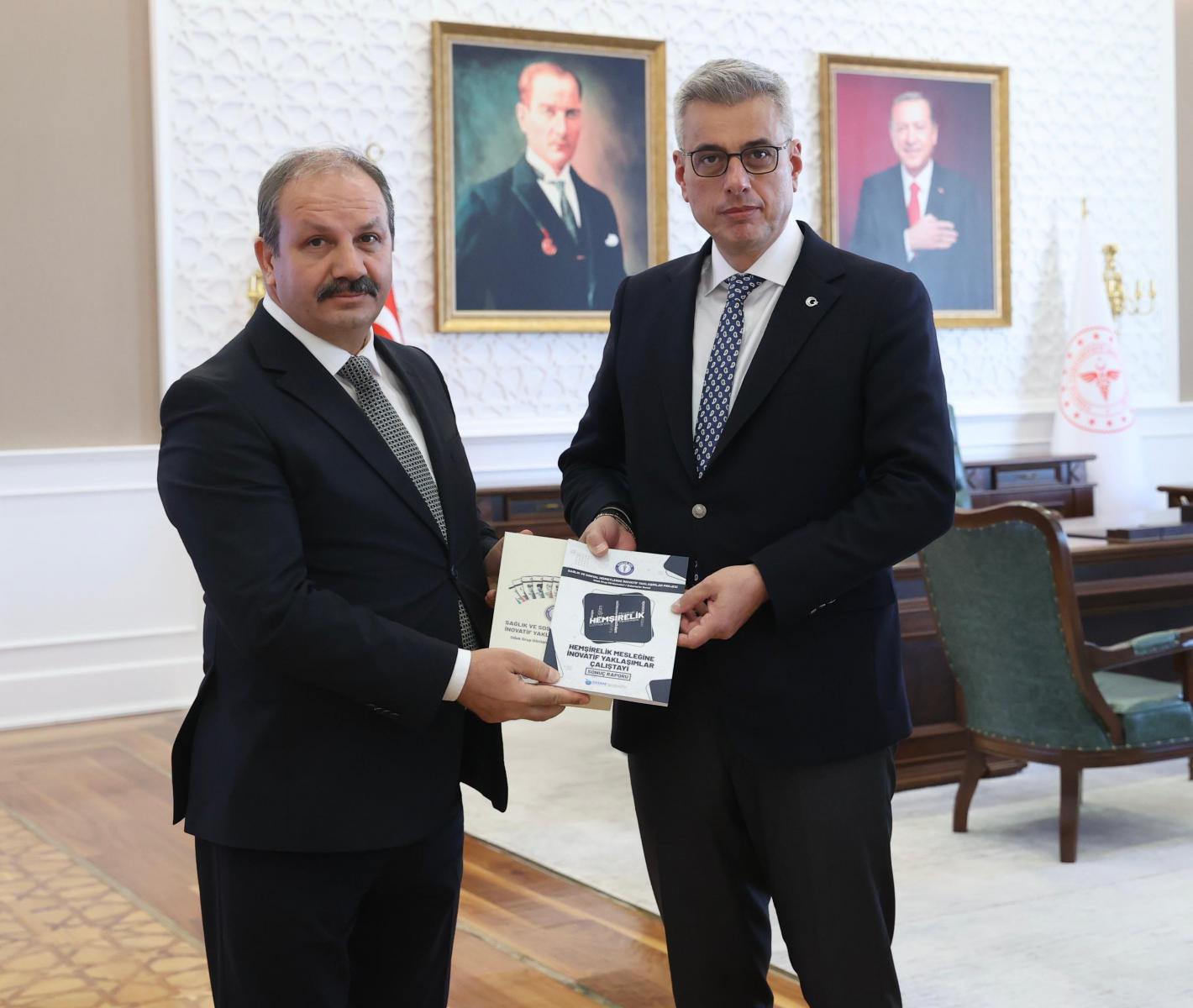
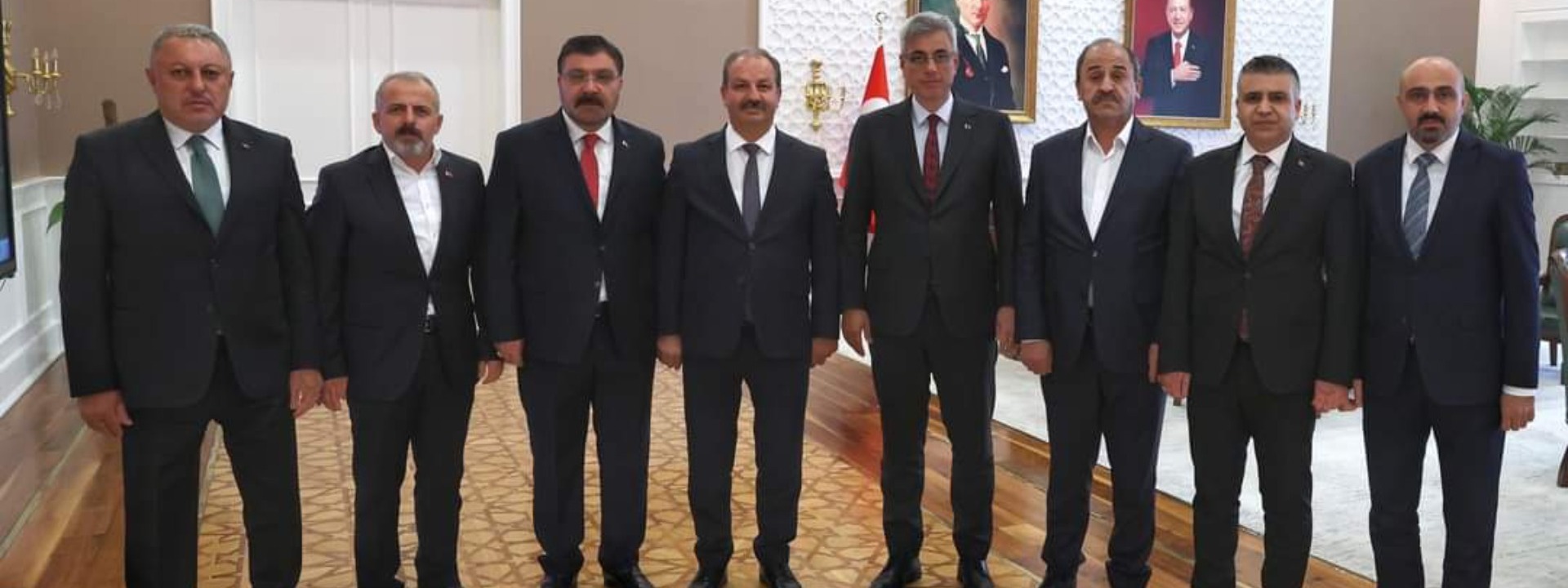
In a critical step toward improving the working conditions and rights of healthcare workers across Türkiye, Health-Sen President Mahmut Faruk Doğan and Vice President Mustafa Irgatoğlu held a high-level meeting with Health Minister Prof. Dr. Kemal Memişoğlu. The focus of the visit was to present and discuss proposals related to the 8th Term Collective Bargaining Agreement, a key instrument in shaping the rights, benefits, and future of healthcare professionals in Türkiye.
The discussions spanned from collective bargaining clauses to long-awaited recruitment plans and structural reforms in the healthcare employment system. The tone was cooperative, with Minister Memişoğlu expressing readiness to support healthcare workers and consider the union’s proposals in detail.
Top Priorities on the Bargaining Table
At the heart of the meeting was the 8th Term Collective Bargaining process, during which Health-Sen presented a set of carefully drafted proposals aimed at addressing pressing issues in the healthcare sector. President Doğan gave a comprehensive briefing to Minister Memişoğlu, outlining clauses that had already been classified through negotiations with the Public Employers Committee.
The Health Minister examined the proposed items and pledged to support the union’s initiatives during the collective bargaining sessions. This commitment was seen as a promising sign of collaboration between the government and healthcare unions at a time when the sector is experiencing increased strain due to economic fluctuations and growing demands.
Revising Bonus Tender Policies to Match Economic Realities
Another important topic discussed during the meeting was the upcoming renewal of promotional tenders within the Ministry of Health. These tenders, which determine the bonuses and financial incentives tied to health sector performance and partnerships with financial institutions, have been a source of debate in recent months.
President Doğan emphasized the urgency of updating these tenders in line with current economic conditions. He argued that healthcare workers’ financial well-being must be safeguarded in today’s challenging environment and called for a transparent and fair process that reflects inflation and cost of living increases.
18,000 New Healthcare Positions on the Horizon
The discussion also turned toward the anticipated recruitment of 18,000 new healthcare workers, scheduled to be announced in September. Health-Sen urged the Ministry to expedite the hiring process, underlining the sector’s urgent need for personnel to ensure service sustainability and reduce the burden on existing staff.
In response, Minister Memişoğlu confirmed that the Ministry is actively working on the staffing plan and will soon release an official announcement. The hiring initiative is expected to ease pressure on overstretched hospitals and healthcare institutions across Türkiye.
Addressing Transfer and Reassignment Challenges
Health-Sen also raised concerns about the limitations currently placed on excuse-based transfers — particularly in the context of Türkiye’s “Family Year” initiatives. Many healthcare workers have struggled with restrictions that prevent them from relocating closer to their families, even when valid reasons such as caregiving or spousal employment are present.
President Doğan called for the removal of these barriers and a return to more flexible reassignment procedures. He emphasized that supporting family unity should be a core principle of public service employment and urged the Ministry to revise current policies accordingly.
Short-Term Leave Issues and Prioritized Access to Medical Services
Another critical issue discussed was the difficulty healthcare workers face when seeking short-term caregiving leave. Doğan highlighted how the current system often complicates access to brief but essential leaves, especially in family medical emergencies.
He also reiterated Health-Sen’s longstanding demand that healthcare professionals be granted priority access to medical consultations and procedures, acknowledging their frontline role and high exposure to health risks.
Minister Memişoğlu responded positively, noting that his team would investigate these matters and send updated policy instructions to the relevant field offices, ensuring that medical staff receive the respect and prioritization they deserve.
Reversing Unfair Salary Deductions in Family Practice System
Health-Sen also brought up a growing concern among family physicians and practitioners — salary deductions applied due to patients not revisiting the clinic within six months. The union stressed that penalizing healthcare workers for patient behavior is both unfair and demoralizing.
President Doğan called for the immediate reimbursement of these deducted payments. Minister Memişoğlu assured the union that the Ministry of Finance is already working on a corrective policy and that the reimbursements will be processed shortly.
Collaborative Outlook for Systemic Reform
The meeting between Health-Sen and the Ministry of Health represents more than just routine union-government dialogue — it reflects a shared understanding of the challenges faced by Türkiye’s healthcare workforce and a joint commitment to solving them.
With the collective bargaining process underway and strategic decisions looming, this cooperation could set the stage for meaningful reforms. From financial incentives and fair staffing policies to improved working conditions and professional respect, the demands voiced by Health-Sen mirror the real-life concerns of thousands of healthcare professionals who keep Türkiye’s health system functioning daily.
Next Steps and Long-Term Impact
Looking ahead, the Ministry of Health is expected to respond to the union’s proposals through both internal reforms and by influencing the direction of national labor policy. For Health-Sen, the goal remains clear — to secure not only fair compensation and benefits for healthcare workers, but also the dignity, recognition, and institutional support they deserve.
As economic challenges continue to affect public sector employees, particularly in healthcare, the outcomes of this dialogue may have long-term implications on workforce retention, morale, and service quality across the country.