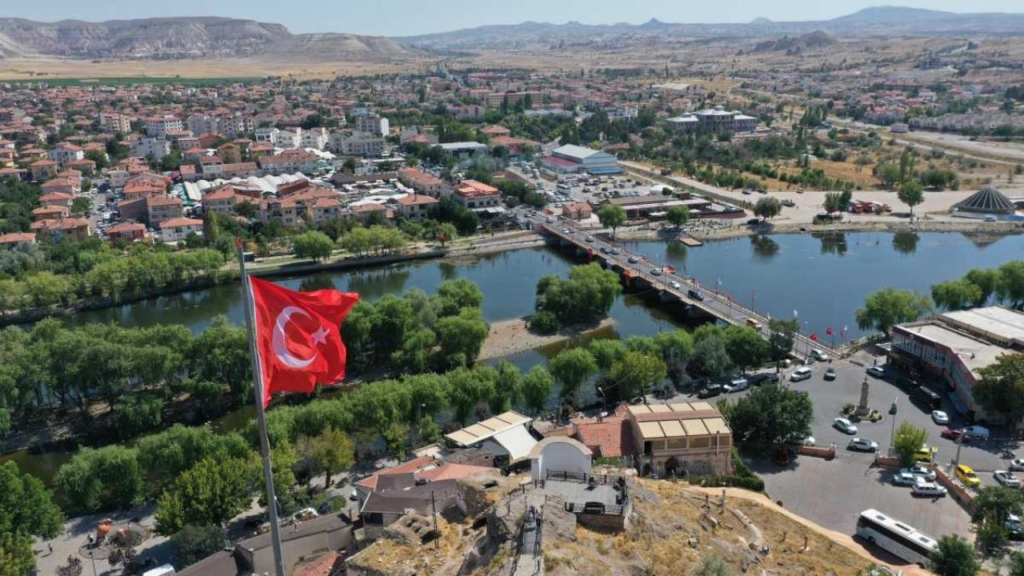

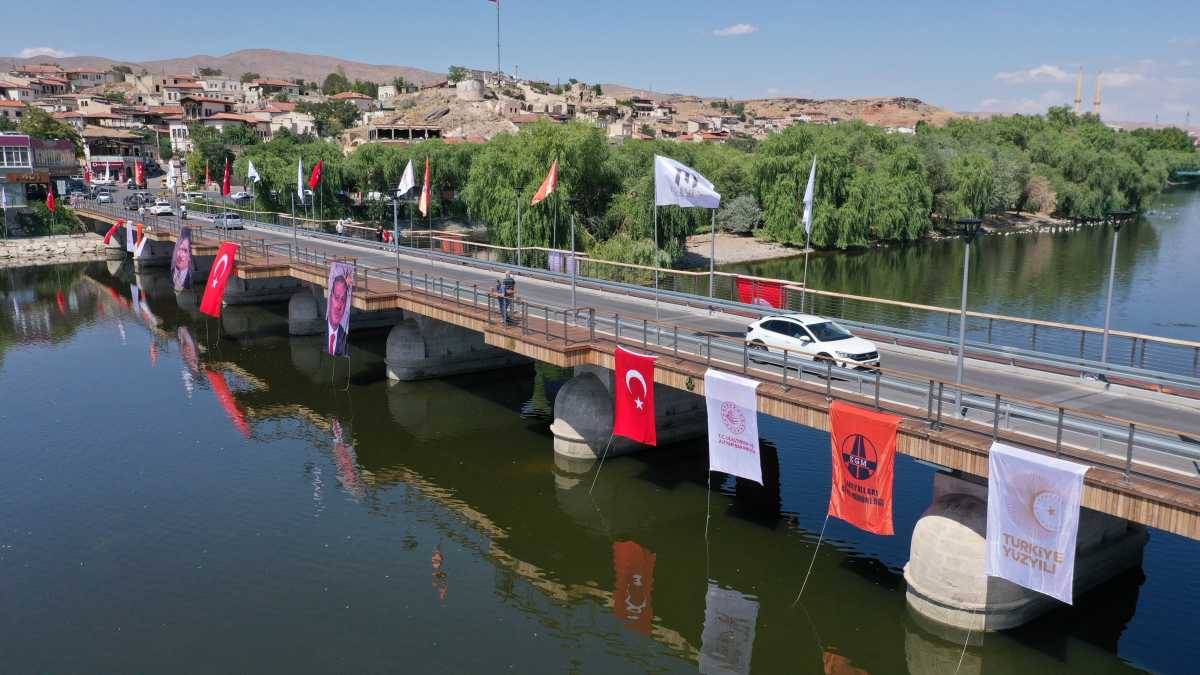
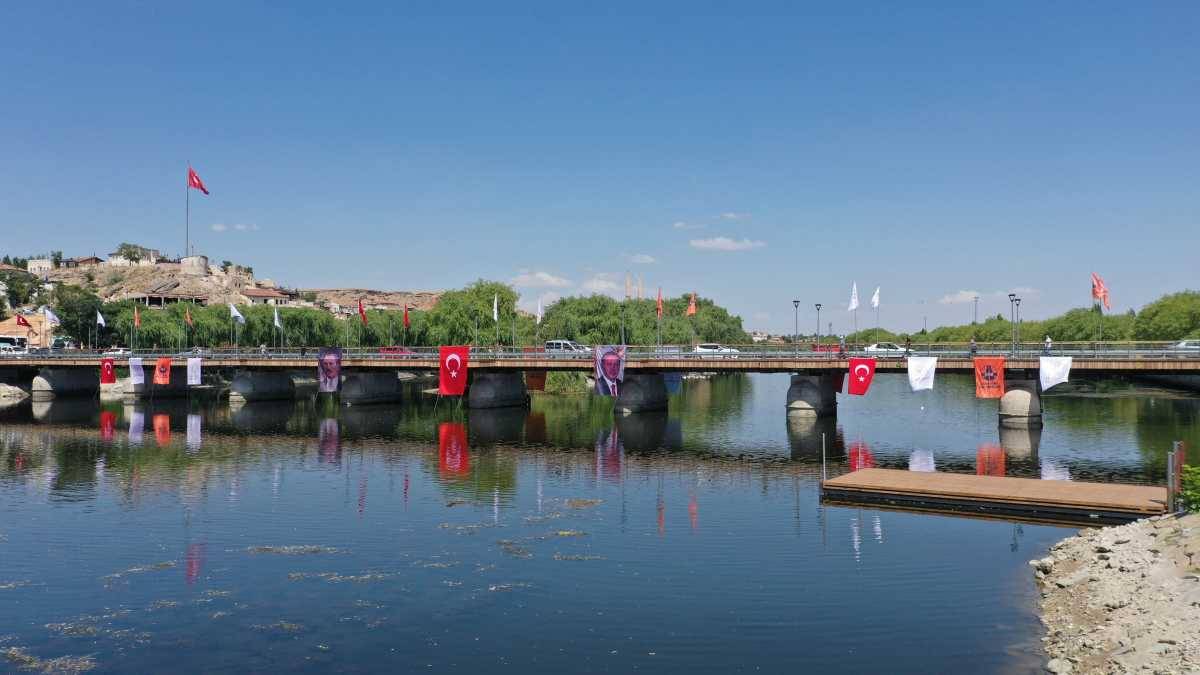
In a ceremony that blended history, culture, and infrastructure, Türkiye’s Minister of Transport and Infrastructure Abdulkadir Uraloğlu officially reopened the Historic Avanos Bridge in Nevşehir after a meticulous restoration. Originally commissioned in 1900 under the reign of Sultan Abdulhamid II, the 152-meter-long bridge with its 11 stone arch piers is more than a functional structure—it is a monumental testament to the nation’s architectural and cultural heritage.
Speaking at the inauguration, Minister Uraloğlu described Anadolu as the cradle of civilizations and Kapadokya as one of its most precious jewels. He emphasized that Avanos, nourished by the Kızılırmak River, has been intertwined with history for centuries, and restoring such a significant structure is both a cultural and civic duty.
A Restoration Rooted in History and Purpose
The Avanos Bridge, classified as a protected cultural asset since 1982, had undergone significant changes over its lifetime. Its original wooden deck was replaced with a reinforced concrete slab in 1925 after a fire during the early years of the Republic. However, decades of increasing traffic and natural wear revealed the urgent need for a restoration that would remain faithful to the bridge’s historic character.
In the restoration works, the bridge’s stone piers were reinforced with precision craftsmanship. The outdated concrete deck was replaced with a lighter yet stronger steel girder system. Sidewalks and railings were modernized, and a new lighting system was installed, enhancing both safety and aesthetics. These updates now allow for safer and more comfortable passage for both pedestrians and vehicles.
Minister Uraloğlu stressed that the project was not simply about renovating an old bridge—it was about preserving the historical identity of Avanos, enhancing the touristic appeal of Kapadokya, and leaving a lasting legacy for future generations. He described the bridge as a symbol of the town that now connects not just two riverbanks, but also history with the future, and culture with tourism.
Part of a Larger National Effort
The restoration of the Avanos Bridge is one of many such projects across Türkiye. To date, 509 historic bridges have been restored and reintegrated into the nation’s cultural landscape. Other significant restorations include the Hıdırlık Bridge, Malabadi Bridge, Kızılin Bridge, Taşköprü in Kastamonu, Koyunbaba Bridge in Osmancık, Ongözlü Bridge in Diyarbakır, and the Ani Bridge.
This large-scale program is not just a matter of heritage conservation—it also fuels tourism, supports local economies, and strengthens community identity.
Nevşehir’s Ongoing Infrastructure Transformation
Under the leadership of President Recep Tayyip Erdoğan, Nevşehir has seen 15 billion 129 million lira invested in transportation and communication infrastructure over the past 23 years. The region’s divided highway network has expanded from 87 kilometers in 2002 to 307 kilometers today. Additionally, nearly 300 kilometers of bituminous hot mix roads have been built, ensuring smoother and safer travel.
Key completed projects include the Nevşehir-Kırşehir-Ankara Road, Nevşehir-Acıgöl-Aksaray Road, Gülşehir-Avanos Road, Nevşehir-Niğde Road, and the Nevşehir Southern Ring Road. Ongoing projects include the Nevşehir-Aksaray, Nevşehir-Ürgüp, Ürgüp-Boğazköprü routes, as well as the 103 Evler Overpass and Kesikköprü-Tuzköy Airport access roads.
Upcoming Nevşehir Ring Road Project
One of the most anticipated developments for the city is the Nevşehir Ring Road. Scheduled for tender in the first quarter of 2026, the two-phase project aims to redirect intercity traffic away from the city center, easing congestion and improving safety. Once completed, the bypass will enhance both the efficiency of transit routes and the quality of urban life.
Boosting Kapadokya’s Air Connectivity
Kapadokya Airport has also been a focal point of the region’s transport growth. In 2024, the airport recorded around 722,000 passengers from 16,772 flights—a 28% increase compared to 2023. As of July 2025, it had already served approximately 402,000 passengers.
To accommodate rising demand, the government is tripling the size of the airport’s terminal from 3,616 square meters to 10,650 square meters. This expansion will increase annual capacity from 700,000 passengers to 2 million. Minister Uraloğlu noted that this upgrade will not only improve passenger comfort and service quality but also stimulate regional tourism and trade.
A Vision for Sustainable Growth and Heritage Protection
For Minister Uraloğlu, the restoration of the Avanos Bridge is emblematic of a broader vision: one in which infrastructure investment goes hand in hand with cultural preservation. Projects like this demonstrate that development does not need to come at the cost of history—instead, the two can be integrated to strengthen both local identity and economic vitality.
The revitalized Avanos Bridge now stands as a functional roadway and a cultural landmark, ready to serve the people of Nevşehir while telling the story of its past. With further investments in road networks, airports, and cultural preservation, the region is set to strengthen its position as one of Türkiye’s key tourism and heritage destinations.
Minister Uraloğlu concluded his speech with a reaffirmation of the government’s commitment to serving the public: “Serving the people is serving the greater good. With the support of Nevşehir’s residents, we will continue working to make our city safer, more livable, and more prosperous. Together, we will ensure that Kapadokya remains a global tourism hub while preserving its unique history for generations to come.”
Nevşehir’s blend of modern infrastructure and preserved heritage is setting an example for how Türkiye can protect its cultural treasures while building for the future. The Avanos Bridge, reborn through careful restoration, will continue to unite not just two sides of the Kızılırmak but also the shared history and aspirations of the community.