

Türkiye experienced a historic surge in electricity consumption this July, as hourly demand reached an unprecedented 59 gigawatt-hours. The spike, recorded on July 28, was largely attributed to soaring temperatures and the increased use of air conditioning, according to a new analysis by the international energy think tank Ember.
The findings reveal a critical link between rising summer heat and the country’s power needs. For every one-degree Celsius increase in temperature, Türkiye requires an additional 0.77 gigawatts of electricity generation capacity. To put this into perspective, a temperature jump from 22°C to 32°C creates an added demand equivalent to the full output of at least three new power plants the size of the Atatürk Hydroelectric Dam.
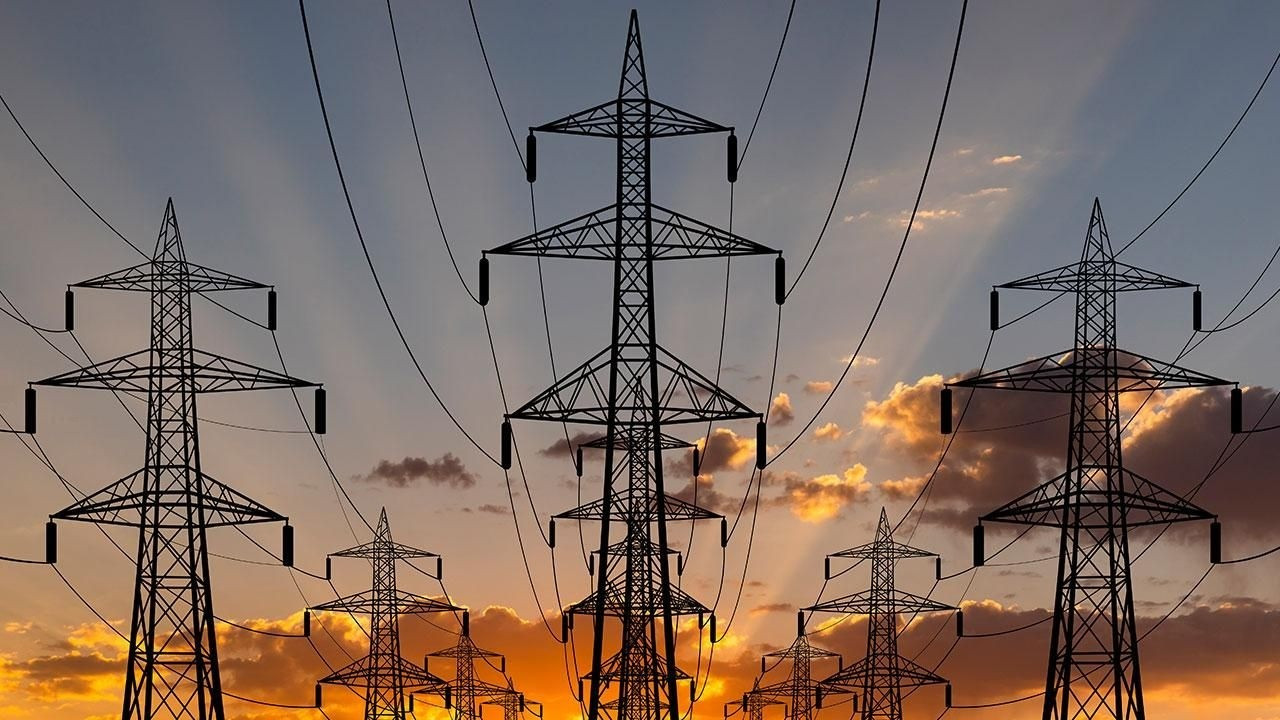
Cooling Demand Emerges as a Key Factor in Grid Stress
Ember’s report highlights that 18 percent of Türkiye’s record hourly consumption in late July was driven solely by cooling. During the summer months, cooling demand consistently accounts for more than 10 percent of total electricity use between 12:00 and 18:00.
This trend shows that air conditioning is no longer a luxury item but a defining factor shaping the stability of Türkiye’s power grid. Sudden demand spikes create heavy strain on transmission lines and substations, raising the risk of outages and technical failures.
Solar Energy as a Natural Ally
One of the most striking conclusions of Ember’s analysis is the role of solar energy in easing grid pressure. Solar production peaks during the same hours that air conditioning demand is at its highest, making it a natural buffer against rising cooling needs.
In the summer of 2024, solar power supplied over 20 percent of Türkiye’s electricity demand during the hottest hours of the day. This contribution has already proven critical in preventing blackouts and reducing reliance on fossil-fuel-based generation.
The report emphasizes that accelerating investment in solar infrastructure is not only environmentally beneficial but also strategically necessary to safeguard energy security in a warming climate.
Escalating Cooling Consumption
Türkiye’s reliance on cooling has risen sharply. Electricity consumption tied solely to air conditioning grew by 19 percent between 2023 and 2024, reaching 10 terawatt-hours. This figure is equivalent to the annual charging needs of nearly 4 million electric cars — roughly 15 times the current number of electric vehicles in Türkiye.
If this trend continues, cooling-related electricity demand is projected to double by 2030 and increase 3.5 times by 2035. This trajectory underscores the urgency of aligning energy planning with long-term climate realities.
Climate Change Alters Energy Habits
The data also reveals how climate change has reshaped Türkiye’s energy use patterns. Over the last decade, peak-hour electricity consumption has risen by 50 percent.
Before 2008, the highest electricity demand was typically recorded during the winter months. Since then, however, summer has overtaken winter as the season of peak consumption, driven by air conditioning. By 2025, the gap between summer and winter peak demand had widened to 12 times the difference recorded in 2008.
This profound shift signals how deeply global warming has influenced daily life and infrastructure, forcing energy planners to rethink priorities.

Meeting the Challenge
Türkiye’s electricity sector now faces the dual challenge of managing record-breaking demand while simultaneously transitioning toward cleaner and more resilient energy sources. Experts argue that a coordinated strategy combining renewable energy expansion, grid modernization, and efficiency improvements will be essential.
For consumers, the issue highlights the importance of adopting more energy-conscious habits. Small changes such as improved insulation, efficient cooling systems, and greater use of smart grid technologies could collectively reduce stress on the system.
At the national level, scaling up solar capacity, supporting demand-response mechanisms, and ensuring reliable storage solutions are likely to play pivotal roles in ensuring that Türkiye can meet future demand without compromising grid security.
A Warning for the Future
This summer’s record-breaking figures are more than an isolated event — they are a warning of the challenges ahead. As climate change continues to intensify, Türkiye’s electricity consumption patterns are expected to become increasingly shaped by extreme heatwaves.
The July record demonstrates both the vulnerability of existing systems and the opportunity for innovation. If renewable energy, especially solar, continues to expand at pace, Türkiye has the potential to turn this challenge into a model of sustainable adaptation.
The question now is whether policy, investment, and consumer behavior can align quickly enough to meet the escalating demands of a hotter, more energy-intensive future.