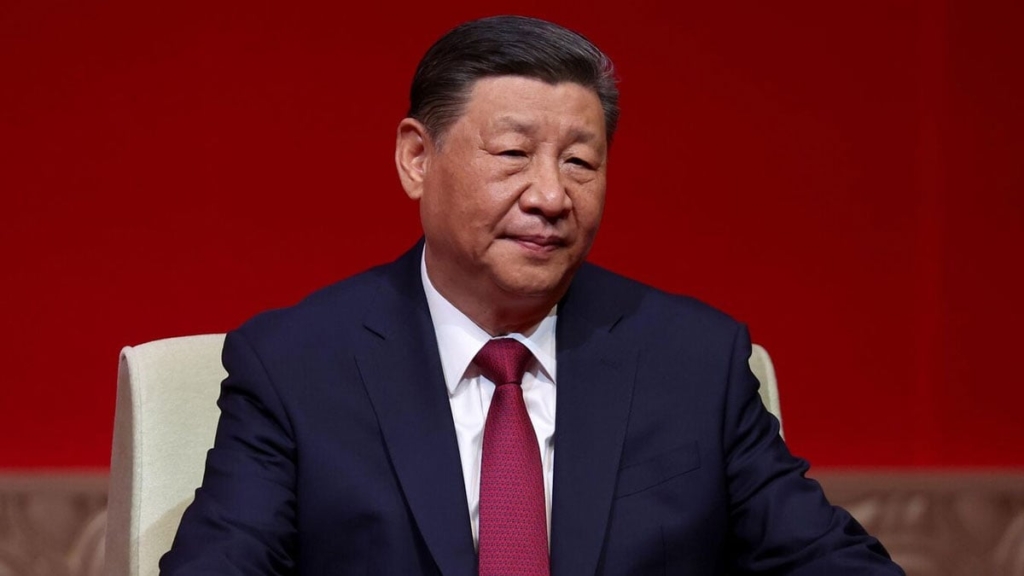

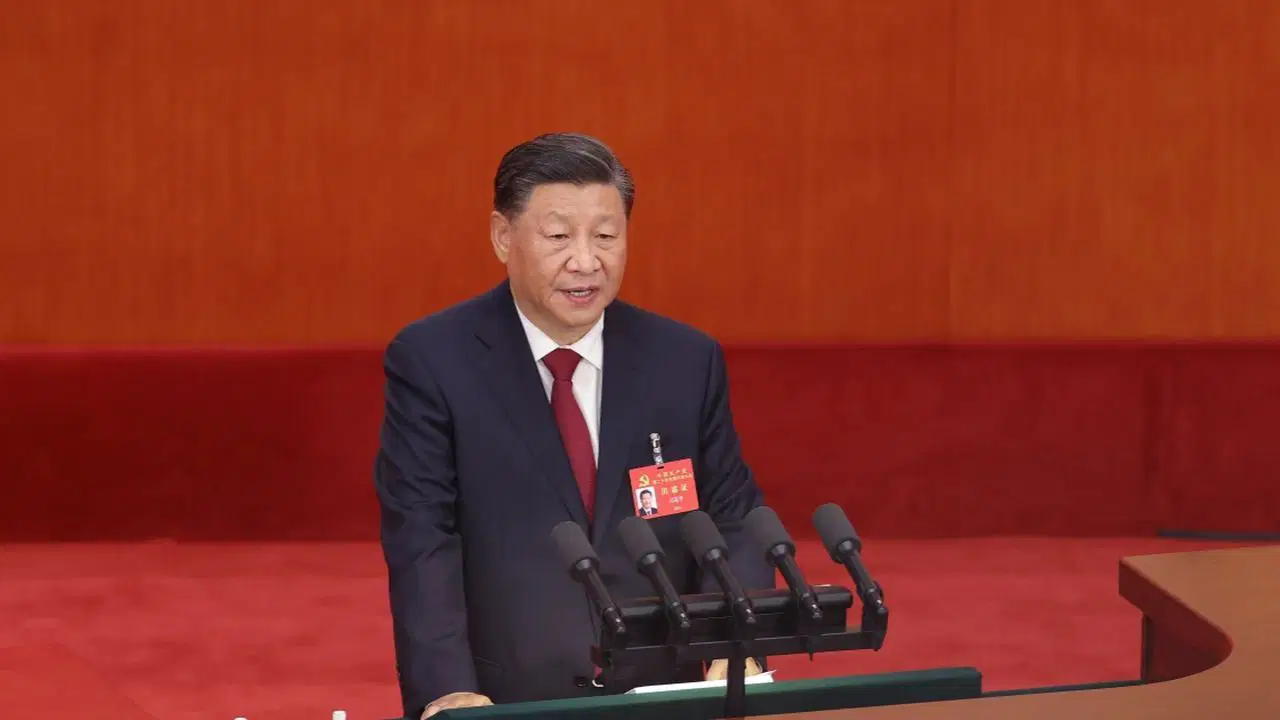
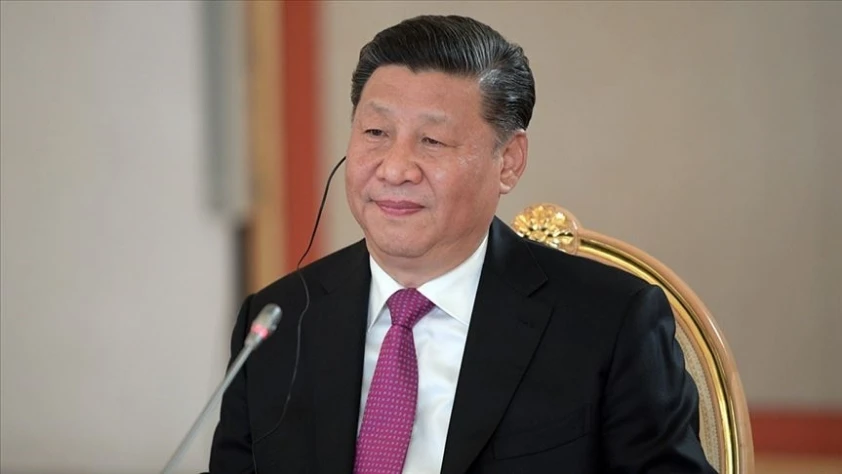
Chinese President Xi Jinping delivered a keynote address at the opening of the 25th Council of Heads of State Meeting of the Shanghai Cooperation Organization (SCO), hosted this year in Tianjin. His remarks emphasized the role of the SCO as a platform for multilateral cooperation, equitable governance, and resistance to hegemonistic power politics.
Xi noted that since its establishment, the SCO has embodied multilateralism through dialogue and shared benefits. He underscored that the organization has become a force advocating international equality, inclusivity among civilizations, and opposition to dominance-based politics.
A Call for a Fairer World Order
The Chinese leader urged member states to set aside differences, strengthen solidarity, and work toward building a balanced multipolar world. He highlighted the need for a universally inclusive form of economic globalization and a fairer system of global governance.
“By promoting fairness and justice, we must ensure that global management structures reflect equality and inclusivity. A truly multipolar world can only thrive when cooperation prevails over confrontation,” Xi stated.
Expanding Economic Cooperation
Xi pointed out that the SCO has grown into the world’s largest regional organization, now uniting 26 countries as full members, observers, or dialogue partners. Cooperation across more than 50 areas has generated close to 30 trillion dollars in value, according to his remarks.
China’s trade with SCO members has already surpassed 2.3 trillion dollars, with investments reaching 84 billion dollars. Xi emphasized the untapped potential of leveraging the vast size of member markets and their economic complementarities.
He called for efforts to facilitate trade and investment while advancing collaboration in energy infrastructure, green industries, the digital economy, technological innovation, and artificial intelligence.
Financial and Educational Commitments
Xi announced a donation of 2 billion yuan (280 million dollars) to SCO member countries this year and confirmed that Chinese banks will provide an additional 10 billion yuan (1.4 billion dollars) in loans through the SCO Interbank Consortium.
Beyond financial assistance, Xi pledged long-term educational investment. Over the next five years, China plans to establish ten new “Luban Workshops” — vocational training centers in SCO member states — aimed at equipping 10,000 individuals with practical professional skills. This initiative, Xi explained, is intended to strengthen human capital and foster deeper people-to-people connections across the bloc.
The Evolution of the SCO
The SCO originated in 1996 as a regional security and economic cooperation pact involving China, Russia, Kazakhstan, Kyrgyzstan, and Tajikistan, initially known as the Shanghai Five. Uzbekistan joined in 2001, transforming the group into a formal organization.
Membership has since expanded. India and Pakistan joined in 2017, Iran in 2021, and Belarus in 2024, bringing the number of full members to ten. Mongolia and Afghanistan currently hold observer status, while Türkiye and 13 other countries are dialogue partners.
Today, SCO member states collectively cover about 65 percent of the Eurasian landmass, represent 40 percent of the global population, and contribute around 30 percent of global GDP — making the organization a major actor in shaping international affairs.
Toward Greater Influence
Xi’s speech underscored China’s ambition to make the SCO a central force in building a more balanced global order. By positioning the organization as a counterweight to unilateral dominance, Beijing seeks to enhance cooperation on both economic and security fronts.
The proposals unveiled in Tianjin illustrate China’s strategy of combining financial commitments, trade opportunities, and cultural initiatives to strengthen the organization’s role. While internal differences among member states remain a challenge, the SCO’s expanding membership and growing influence suggest that it will continue to serve as a critical forum for regional and global cooperation.
Editor’s Note: The 25th SCO Summit in Tianjin highlighted Xi Jinping’s vision of a multipolar and inclusive world order. With pledges of financial support, investment in innovation, and vocational training, China is positioning the SCO as more than just a political alliance — but as a platform for reshaping global governance and economic cooperation.