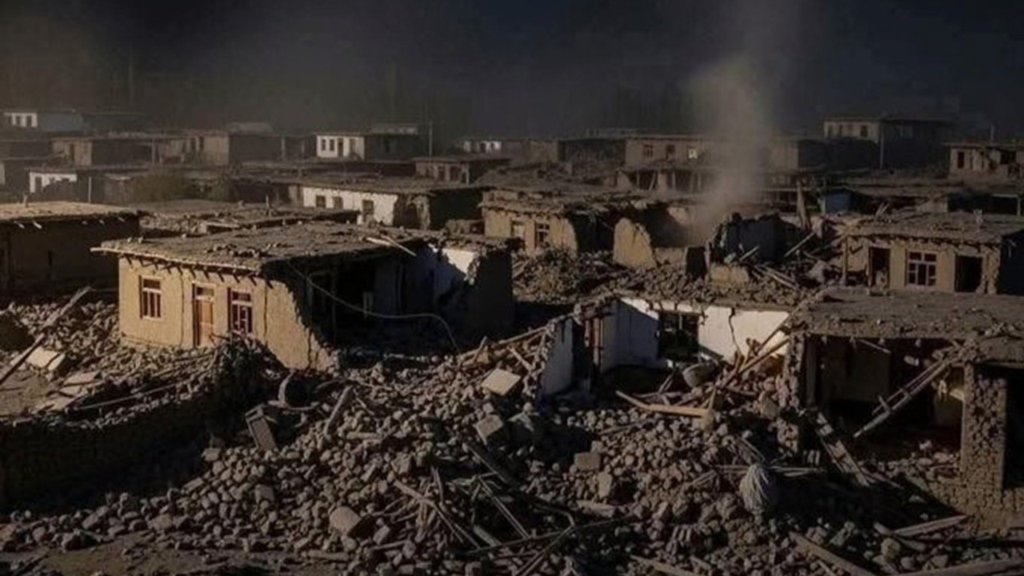

Eastern Afghanistan was struck by a devastating earthquake in Kunar province, claiming the lives of at least 622 people and leaving more than 500 injured. The tremor, measured at magnitude 6, has been described by local sources as one of the deadliest quakes to hit the country in recent years. Authorities fear the death toll could rise further as search and rescue operations continue under difficult conditions.
Rescue Efforts Underway Amid Blocked Roads
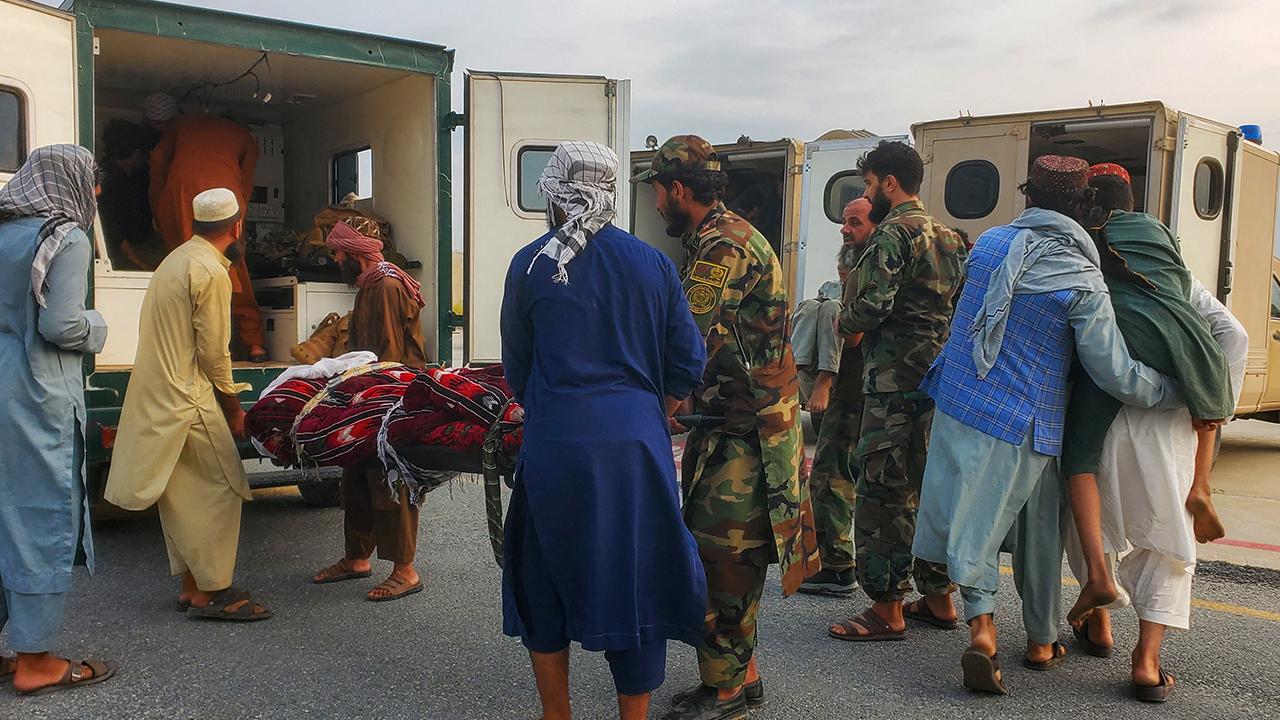
According to officials from Afghanistan’s Ministry of Information, the earthquake’s epicenter was concentrated in Kunar, where entire villages were reduced to rubble. Landslides triggered by the tremors blocked major roads, complicating access to the affected areas. Rescue teams have been deployed by helicopter as ground operations remain hindered.
Zabihullah Mujahid, spokesperson for Afghanistan’s interim government, acknowledged the scale of the tragedy in a statement shared on social media. He confirmed casualties across eastern provinces and praised the efforts of local communities, security forces, and aid workers who have rushed to the disaster zone. Reinforcements from neighboring provinces have also been mobilized to assist in ongoing rescue missions.
One of the Strongest Quakes in Afghanistan’s History
The earthquake has been recorded as among the most powerful to hit Afghanistan in decades. In addition to the main tremor, the US Geological Survey (USGS) confirmed at least two aftershocks, one of which measured 5.2 in magnitude. The epicenter was located 27 kilometers northeast of Jalalabad, near the Pakistan border, at a shallow depth of just 8 kilometers.
Such shallow earthquakes often result in more severe destruction as their energy is released close to the surface. The fragile infrastructure in rural areas of Afghanistan, where many homes are built with mud bricks and lack modern reinforcement, made the destruction even more catastrophic.
Humanitarian Crisis Intensifies
The quake struck at a time when Afghanistan is already facing an economic and humanitarian crisis. Years of conflict, political instability, and isolation from much of the international community have left the country ill-equipped to respond to natural disasters of this scale.
Local hospitals quickly became overwhelmed as hundreds of injured victims arrived, many with severe fractures and trauma. With limited medical supplies and staff, doctors have appealed for urgent international assistance. Emergency shelters have been set up, but thousands remain without adequate food, water, and protection as aftershocks continue to rattle the region.
Global Response and Aid Challenges
Aid agencies are beginning to mobilize, but delivering assistance remains a significant challenge. Damaged roads, mountainous terrain, and ongoing security concerns make it difficult for relief convoys to reach remote villages. International organizations have expressed condolences and pledged support, though the political situation complicates coordination.
United Nations officials emphasized that immediate needs include emergency medical care, shelter, clean water, and food supplies. Past disasters in Afghanistan, including the 2022 earthquake in Paktika that killed over 1,000 people, have shown how limited infrastructure and slow aid delivery exacerbate suffering.
A Nation All Too Familiar With Tragedy
Afghanistan lies in a seismically active region, where tectonic shifts often trigger devastating quakes. Yet the lack of earthquake-resistant infrastructure means even moderate tremors can result in disproportionate casualties. The latest disaster adds to the long list of natural calamities the Afghan people have endured, compounding the struggles of communities already battling poverty and instability.
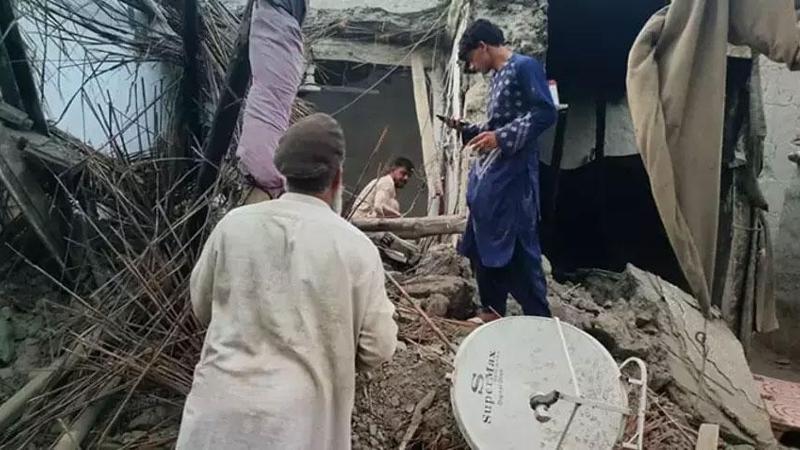
For survivors, the emotional toll is immense. Families have been torn apart, homes reduced to dust, and livelihoods destroyed. The scenes emerging from Kunar — where people are seen digging through rubble with bare hands in desperate attempts to rescue loved ones — highlight both the resilience and vulnerability of Afghanistan’s rural population.
Looking Ahead
While search and rescue efforts continue, the grim reality is that recovery will take months, if not years. Beyond the immediate loss of life, the destruction of farmland, livestock, and housing will leave long-lasting scars on communities. International cooperation will be vital to prevent further tragedy as survivors face the dual threats of displacement and disease in makeshift shelters.
For Afghanistan, this earthquake is not just a natural disaster but a reminder of the urgent need for stronger disaster preparedness systems, better infrastructure, and consistent humanitarian support. Without these, each new calamity risks becoming another national tragedy of overwhelming proportions.
Editor’s Note: The earthquake in Kunar reflects both the devastating power of nature and the fragility of human resilience in conflict-affected regions. As Afghanistan mourns its dead, the world is called to act — not only with sympathy but with tangible aid and long-term commitment to rebuilding lives.