
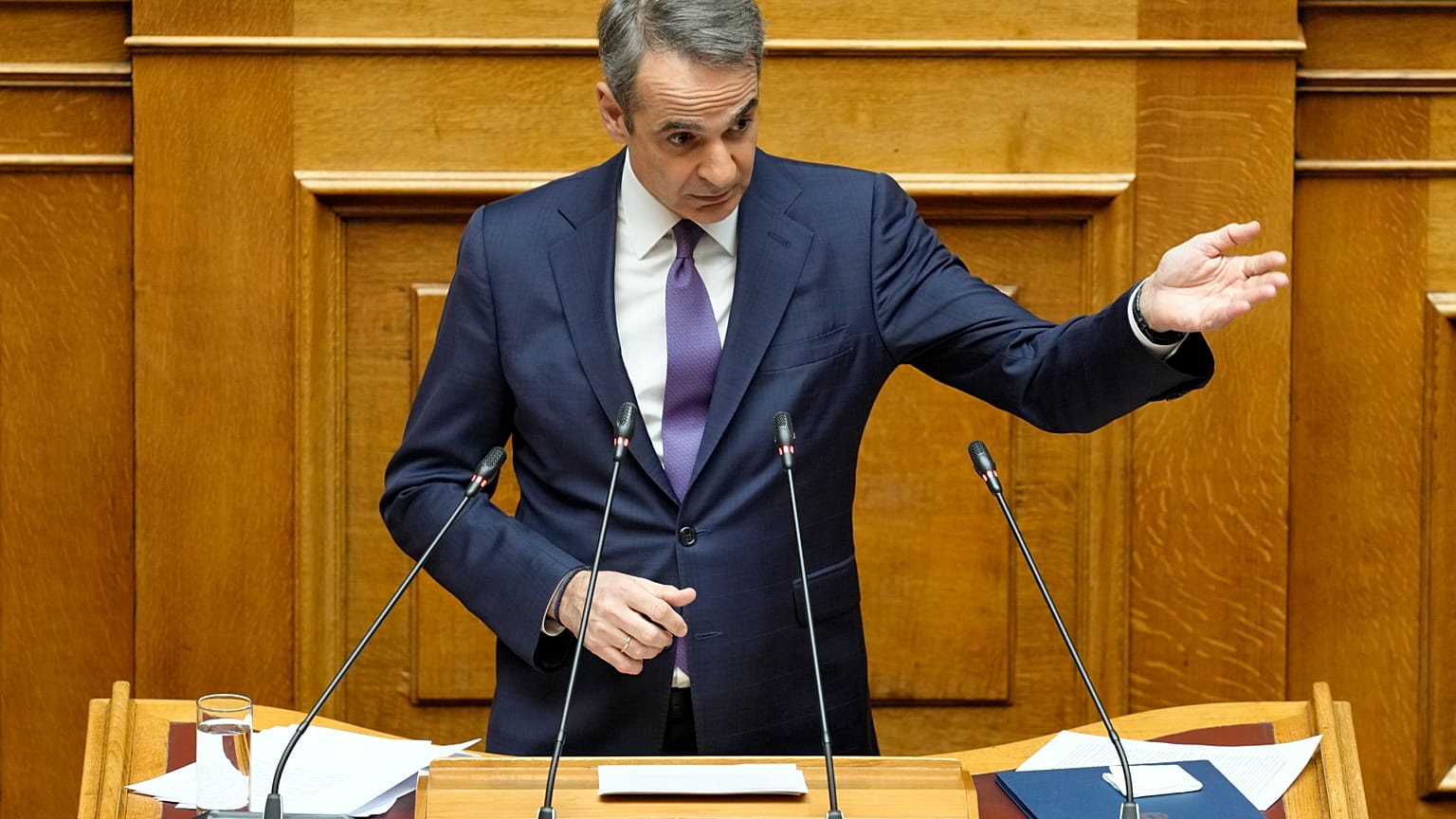
Greece has announced a sweeping package of financial incentives aimed at reversing a severe demographic decline that threatens to make the country the oldest nation in Europe. Prime Minister Kyriakos Mitsotakis revealed that the government will introduce tax cuts and direct support worth €1.6 billion in 2026 to encourage family growth and address what he described as a “national threat.”
Speaking at the unveiling of the plan, Mitsotakis emphasized the financial burden families face as they grow. “We know the cost of living when you do not have children, and we know it changes dramatically when you have two or three,” he said. “As a state, we must find a way to reward citizens who make the choice to have children.”
The Structure of the Tax Incentive Plan
The new measures will apply across all tax brackets with a universal 2 percent reduction, but the most generous benefits are reserved for low-income families with multiple children. Households with four children will qualify for a zero tax rate, a move hailed by Mitsotakis as the boldest tax reform Greece has seen in over fifty years.
The reforms are designed not only to alleviate financial pressure on parents but also to encourage young couples to consider larger families. By reducing the economic obstacles associated with raising children, the government hopes to boost the country’s declining fertility rate.
A Nation Facing Population Decline
Greece’s fertility rate is among the lowest in Europe, and the consequences are already visible in its shrinking and aging population. According to Eurostat, Greece’s current population of 10.2 million could fall well below 8 million by 2050. By that time, 36 percent of its citizens are projected to be over the age of 65.
Such demographic trends pose serious risks to the nation’s workforce, pension system, and long-term economic stability. An aging society also increases healthcare costs and reduces the number of younger workers available to support older generations. For Mitsotakis, the demographic decline represents one of the country’s greatest strategic challenges.
Earlier Measures and the Push for Higher Birth Rates
This is not the government’s first attempt to address the issue. In 2020, just a year after Mitsotakis came into office, the government introduced a baby bonus scheme to encourage births. Initially, parents received €1,700 for their first child, with the amount increasing to €3,500 for the fourth. The program also added a monthly allowance of up to €140 per child, offering sustained support to families.
Despite these measures, fertility rates have remained stubbornly low, prompting the government to escalate efforts with this more comprehensive package of tax reforms.

Why the Issue Is Urgent
For Greece, demographic decline is more than just a statistical concern. It threatens national security, economic resilience, and cultural continuity. An older population means fewer workers contributing to social welfare systems and more retirees relying on them. This imbalance could place unsustainable pressure on public finances in the coming decades.
Additionally, a shrinking population has implications for Greece’s geopolitical standing. With its strategic location in the Mediterranean, maintaining a strong, vibrant, and youthful population is seen as essential to national influence and regional stability.
A European Challenge With Local Dimensions
While Greece’s crisis is particularly severe, other European countries are also struggling with low fertility rates and aging populations. Nations such as Italy, Spain, and Germany have introduced family-friendly policies, ranging from parental leave benefits to childcare subsidies, with varying degrees of success.
What sets Greece apart is the depth of its population decline, combined with economic vulnerabilities that leave less room for policy experimentation. Mitsotakis’s plan represents a high-stakes gamble that financial incentives can shift cultural and social trends that have been decades in the making.
Looking Toward the Future
Whether these tax reforms will succeed remains uncertain. Fertility rates are influenced not only by financial support but also by broader social factors such as job security, housing, and cultural attitudes toward family life. Still, by framing the issue as a matter of national survival, the Greek government hopes to mobilize public opinion and restore optimism about raising families.
Mitsotakis’s insistence that Greece must act decisively highlights the scale of the challenge. For a nation with a proud history and a pivotal role in European affairs, reversing demographic decline is now seen as a mission as crucial as economic recovery or political stability.
Editor’s Note
Greece’s approach reflects both the urgency and the complexity of demographic challenges in modern Europe. Financial incentives may provide immediate relief, but the long-term solution will depend on whether society embraces a cultural shift toward family growth. For now, the boldness of the reforms marks a turning point in the country’s efforts to shape its future.