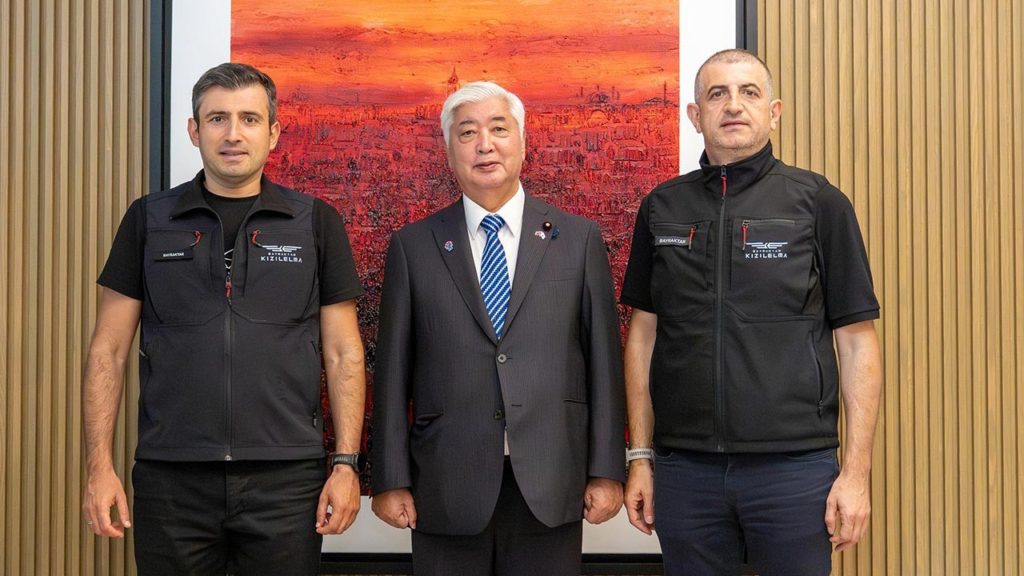

Türkiye’s leading defense technology firm, Baykar, recently hosted a high-level delegation from Japan, including former Defense Minister Nakatani Gen, at the Özdemir Bayraktar National Technology Center. The visit, which underscores growing interest in Türkiye’s defense advancements, was publicly acknowledged through an official statement shared by Baykar on its social media platforms.
The statement conveyed appreciation for the visit, noting: “We were honored to host Japan’s Defense Minister Nakatani Gen and his delegation at our Özdemir Bayraktar National Technology Center.” The meeting was more than a symbolic courtesy; it marked a significant gesture in the broader context of international collaboration in defense innovation.
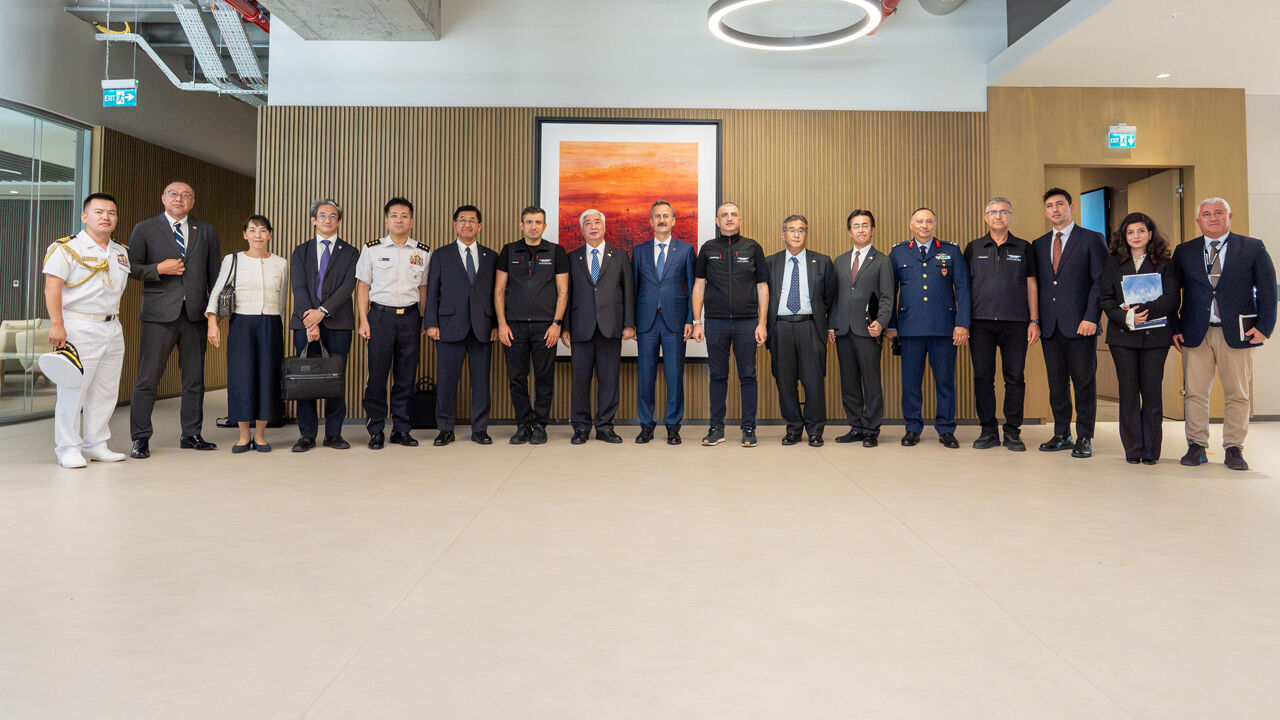
A Visit with Strategic Implications
Nakatani Gen, a prominent figure in Japan’s defense and security policy landscape, was briefed by Baykar Chairman Selçuk Bayraktar and CEO Haluk Bayraktar on the company’s projects, technological capabilities, and its growing influence in global defense markets. Also present during the visit was Haluk Görgün, President of Türkiye’s Defense Industry Agency, further underscoring the official nature of the discussions.
The visit gains importance amid a global environment where countries are increasingly seeking innovative, cost-effective, and sovereign defense solutions. For Japan — a country with evolving regional defense needs and a strategic posture in the Asia-Pacific — Türkiye’s advancements in unmanned systems and autonomous defense technologies present an intriguing partnership potential.
Why Baykar Captures Global Attention
Baykar is not only one of Türkiye’s most recognized defense companies but also a symbol of the country’s indigenous technology transformation. The company rose to international prominence with its Bayraktar TB2 and Akıncı unmanned aerial vehicles (UAVs), which have been exported to dozens of countries and have seen real-world operational success.
Its ability to design, produce, test, and deploy advanced UAV systems without reliance on foreign components positions Baykar uniquely in a world where supply chain autonomy has become critical for national defense planning.
Japan, traditionally reliant on Western systems and heavily involved in U.S.-led defense structures, is increasingly exploring new partnerships that offer agility, innovation, and adaptability — traits that Baykar has come to represent.
Technological Diplomacy Through Defense Cooperation
Defense cooperation between Türkiye and Japan may not yet be institutionalized at the level of formal alliances, but this visit illustrates the potential for future alignment based on shared values of technological independence and regional security.
Baykar’s engagement with Japan opens doors for future joint R&D projects, technology sharing agreements, and potentially even co-production initiatives in sectors such as unmanned systems, artificial intelligence in combat applications, and advanced surveillance technologies.
The visit also mirrors a broader shift in global defense diplomacy — one that values technological capacity over legacy affiliations. For countries like Türkiye and Japan, both of whom sit at the intersection of strategic regions, such collaboration can offer new pathways for enhancing security while promoting sovereign innovation.
Türkiye’s Expanding Role in the Global Defense Market
In recent years, Türkiye has become a net exporter of defense technologies, with Baykar playing a leading role in this transformation. The success of Turkish UAVs in active conflict zones and peacekeeping missions has raised Türkiye’s profile in the global defense arena. Baykar’s exports to regions as diverse as Eastern Europe, Central Asia, Africa, and the Gulf prove the company’s adaptability and credibility in highly competitive markets.
Japan’s outreach to Baykar may be viewed within this context — as part of a global trend where defense modernization requires sourcing from agile, proven, and tech-driven partners. For Türkiye, engagement with Japan represents both a diplomatic milestone and a validation of its technological journey.
Defense Industry Meets Soft Power Strategy
Beyond technology, the Özdemir Bayraktar National Technology Center also represents Türkiye’s strategic vision for cultivating a self-reliant innovation ecosystem. By welcoming high-ranking international figures to the facility, Baykar strengthens Türkiye’s soft power narrative — one where defense advancement is not only a military necessity but also a tool for global partnership.
The optics of Japanese officials walking through the same corridors where Türkiye’s homegrown UAVs are developed send a strong message about mutual respect and potential future cooperation. It also signals Baykar’s openness to transparent, international engagement, which is often a decisive factor in global procurement decisions.
What This Visit Could Lead To
While the visit does not equate to an official defense deal, it lays the groundwork for enhanced engagement between Tokyo and Ankara. Areas where cooperation could develop include:
Joint training programs in unmanned aviation
Knowledge exchange on defense supply chain autonomy
Ethical frameworks for AI-powered defense systems
Collaboration on maritime UAV systems, considering Japan’s island defense priorities
Such possibilities align with Japan’s efforts to modernize its defense capabilities while diversifying suppliers — a strategic move amid rising regional tensions in East Asia.
The Role of Defense Visits in Shaping Foreign Policy
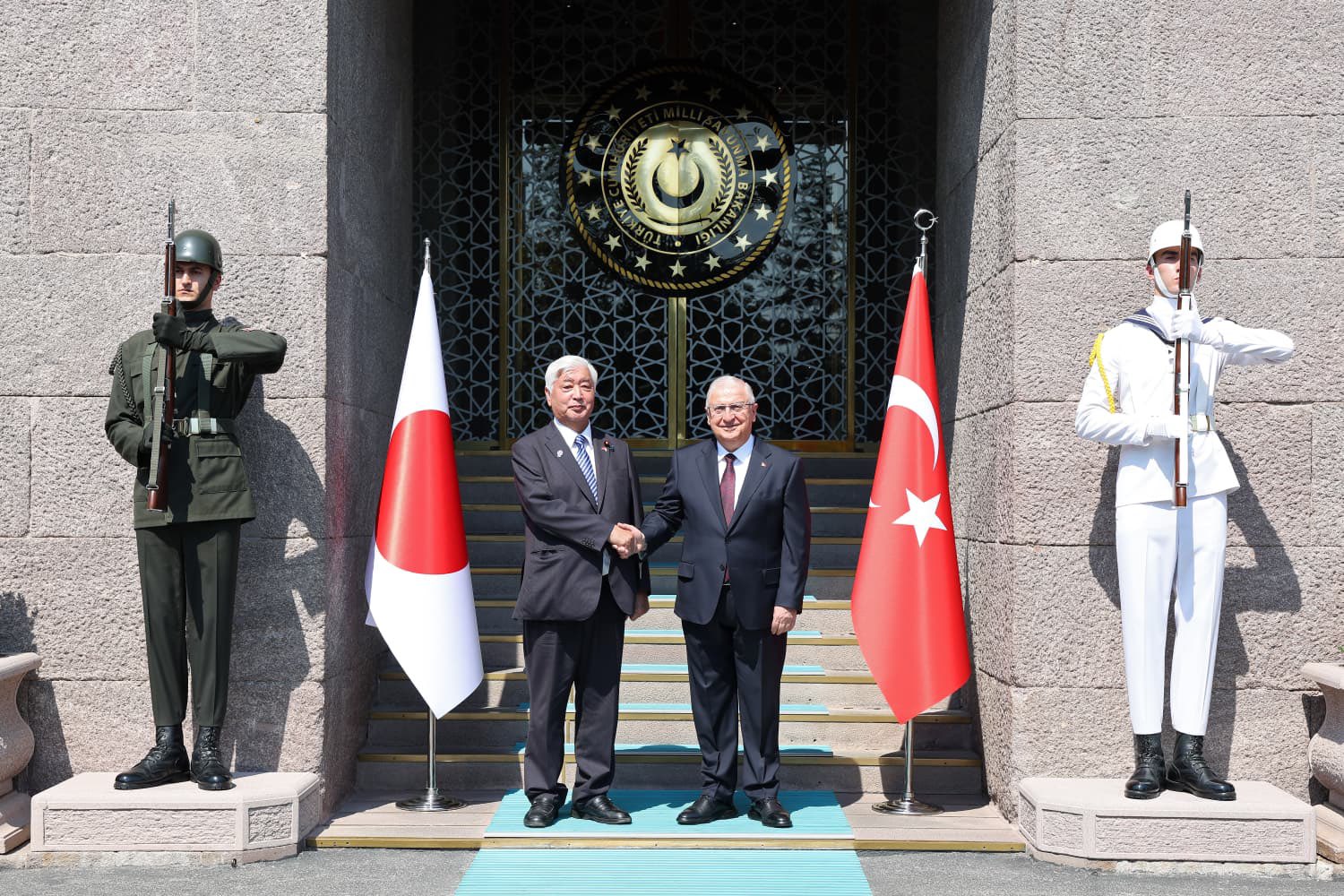
High-level visits like this one serve as informal but powerful instruments of diplomacy. They create channels for future negotiations, mutual understanding, and technical cooperation. In an era where traditional alliances are being supplemented by technology-driven bilateral ties, Türkiye and Japan are demonstrating how such relationships can begin — with a handshake, a factory tour, and a shared vision of what’s next.
Baykar’s invitation and Japan’s acceptance reflect mutual interest, respect, and strategic foresight. Both nations stand to benefit not only in terms of defense capability but also in building a more resilient, collaborative approach to global security challenges.