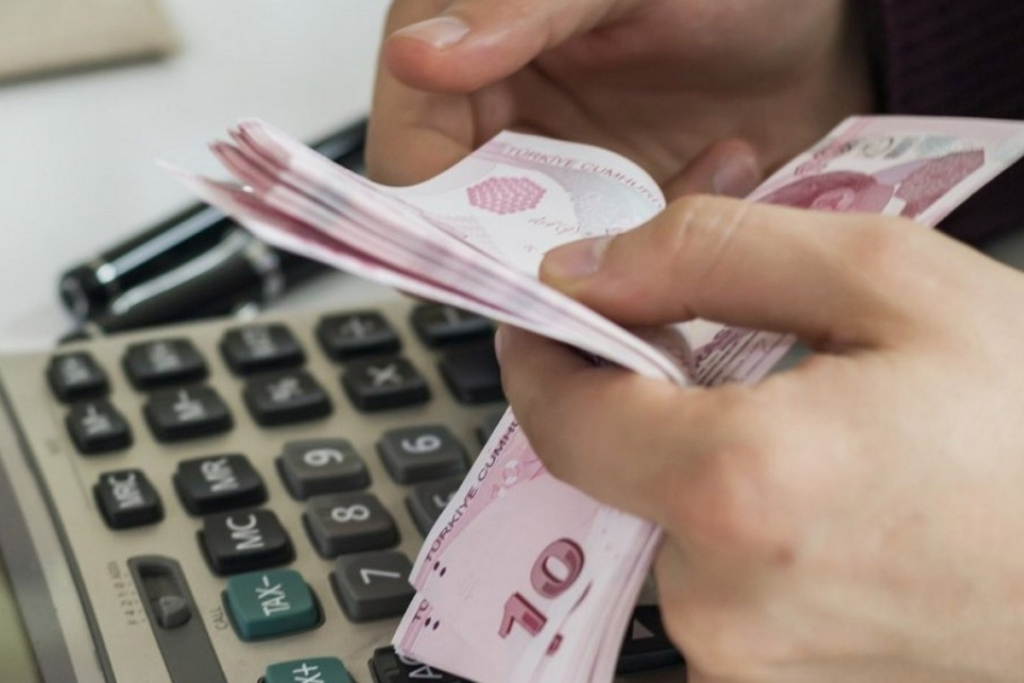

Türkiye is witnessing a remarkable transformation in its financial landscape, driven by the Central Bank’s proactive policies to curb inflation and reinforce the role of the Turkish Lira (TL) in the banking system. Recent data released by the Banking Regulation and Supervision Agency (BDDK) shows substantial growth in overall deposits and a dramatic shift from foreign currency accounts to lira-based savings. The momentum behind TL’s resurgence signals deeper structural changes underway in Türkiye’s financial ecosystem.
Deposits Surge Amid Policy-Driven Confidence
Between August 2024 and July 2025, total deposits in Türkiye’s banking system soared by over 81 percent—from 12.98 trillion TL to more than 23.6 trillion TL. This leap reflects not only the growing trust in the local currency but also the effectiveness of monetary policy tools deployed by the Türkiye Cumhuriyet Merkez Bankası (TCMB).
Much of this growth has been concentrated in lira-denominated accounts. TL deposits, excluding currency-protected instruments, surged by an extraordinary 240 percent over the period, increasing from 4.1 trillion TL to 14.1 trillion TL. When currency-protected deposits (KKM) are included, the total TL-based savings grew by more than 93 percent, reaching 14.6 trillion TL.
The Decline of Currency-Protected Deposits (KKM)
A significant trend emerging from the data is the consistent and ongoing decline in the use of KKM accounts. These instruments, once introduced to safeguard against exchange rate volatility, have now been reduced in importance. Since reaching a peak on August 18, 2023, the total volume of KKM deposits has been falling for 101 consecutive weeks—a clear sign of changing investor sentiment and policy direction.
As of the last week of July 2025, KKM deposits had fallen to just 489 billion TL, or roughly 12.1 billion USD. That marks a steep drop from their peak of 3.4 trillion TL (126.4 billion USD) in mid-2023. The share of KKM in total TL deposits has fallen dramatically from 45.1% to just 3.6%, and its share of total deposits has declined from 26.2% to a mere 2%.
This downtrend aligns with the Central Bank’s stated goal to phase out these instruments by the end of 2025, encouraging savers to adopt more traditional, risk-aligned lira deposit products.
Shift Toward Short-Term Deposits Gains Momentum
Another key takeaway from BDDK’s data is the accelerated move toward short-term deposit options. As of June 2025, overnight and up-to-3-month term deposits now dominate the market, accounting for 88% of total deposits—up from 72.5% a year earlier.
Demand (non-term) deposits rose by 43.8%, crossing 8.1 trillion TL.
Deposits with maturity up to one month increased by 69.2%, reaching 3.3 trillion TL.
Deposits maturing between 1-3 months jumped by over 101%, totaling 8.7 trillion TL.
In contrast, longer-term savings options are losing popularity. Deposits with 3-6 month maturity grew modestly (22.2%), while those with 6-12 month and 1-year-plus terms fell by 64.1% and 41.7%, respectively. These shifts suggest a growing preference for flexibility and a cautious outlook among savers, likely influenced by ongoing inflation concerns and interest rate volatility.
Large-Scale Depositors Dominate Banking System
The breakdown of deposit volumes by account size reveals a concentration of financial assets among higher-value accounts. By the end of June 2025, there were 2.29 million accounts held by residents with balances above 1 million TL, totaling 17 trillion TL in deposits. This accounts for nearly 80% of all domestic deposits, which stand at 21.35 trillion TL.
Non-resident high-value accounts added another 1.33 trillion TL across 208,000 accounts, pushing the total value of deposits exceeding 1 million TL to 18.33 trillion TL. This means that over 80% of Türkiye’s total banking deposits are now held in just under 2.5 million accounts with balances exceeding seven figures.
Such figures underscore growing wealth concentration in the formal banking sector and raise questions about income distribution, wealth management strategies, and financial inclusion across the broader population.

Extended Support for Lira Conversion from Foreign Currencies
In a related move that reinforces the TL conversion strategy, the Central Bank has extended the deadline for its foreign currency-to-lira conversion support for companies. The program, which was initially set to expire at the end of July 2025, will now remain in effect until October 31, 2025.
Under the scheme, businesses that convert foreign currency obtained from abroad into lira via Turkish banks receive a bonus payment equivalent to 3% of the exchanged amount, based on the conversion rate. In return, they are required to commit to not repurchasing foreign currency for a specified period.
The initiative was launched in January 2023 to incentivize the repatriation of overseas earnings and bolster domestic liquidity. By extending this support, the Central Bank aims to further integrate external monetary resources into Türkiye’s financial system while ensuring a stable and resilient lira.
Impact of Policies on Currency Composition in the System
The comprehensive changes introduced by TCMB and the broader economic leadership are clearly reflected in the altered composition of the banking system:
The share of lira deposits in the total system (excluding KKM) surged from 31.9% to 59.8%.
Meanwhile, the share of foreign currency deposits shrank from 38.1% to under 40%, despite a nominal increase of 65.6% in total FX deposit volumes.
This change highlights a successful rebalancing effort that tilts the system decisively toward local currency instruments—a critical step in reducing Türkiye’s vulnerability to global exchange rate shocks.
Implications for Investors, Businesses, and Households
For individual savers, the transition presents both opportunities and cautionary tales. On one hand, rising interest rates on TL-based accounts make them more attractive. On the other hand, continued inflationary pressures and geopolitical uncertainties may encourage the public to seek alternative asset classes or shorter maturities, as reflected in the deposit data.
Businesses, especially exporters and importers, must adapt to an environment that rewards local currency usage and penalizes speculative currency trading. The Central Bank’s preference is clear: a financial system built on the strength and predictability of the TL, rather than on defensive or speculative reliance on foreign currencies.
The Road Ahead
As Türkiye approaches the end of 2025, the road to monetary stability is becoming more clearly defined. The strategic focus on increasing TL adoption, discouraging reliance on currency-protected accounts, and integrating foreign currency into the formal system through incentive structures is reshaping how value is stored and circulated.
Whether these changes will lead to sustained economic stabilization remains to be seen. However, the early signs point to a more robust, lira-driven financial architecture supported by both policy and performance.