
Chinese automaker Chery has announced the launch of its Omoda brand in Türkiye, further strengthening its foothold in one of Europe’s fastest-growing automotive markets. The move will see the company introduce its ambitious D-SUV model, the Omoda 7, which is expected to bring a competitive edge in Türkiye’s SUV-dominated market. This strategic expansion builds on Chery’s recent efforts, including the introduction of its off-road-focused Jaecoo brand, and aligns with a massive investment plan that underscores Türkiye’s growing importance in the global automotive industry.

Omoda Becomes Chery’s Third Brand in Türkiye
Chery’s return to Türkiye in 2023 marked the beginning of a new chapter for the Chinese automaker. After years of absence, the company reentered the market with a refreshed portfolio and a long-term vision. The introduction of Jaecoo in 2024 catered to adventure and off-road enthusiasts, while Omoda’s entry in 2026 will position the group even more competitively.
With the addition of Omoda, Chery will have three active brands in Türkiye. Each of these brands addresses a different segment of the market. Chery serves mainstream buyers with accessible sedans and SUVs, Jaecoo attracts off-road drivers, and Omoda aims at modern, tech-oriented urban consumers who demand stylish and high-performance SUVs. This diversification strategy mirrors approaches seen by global automotive giants, helping Chery maximize reach across consumer demographics.
Omoda 7 and the SUV Market Potential
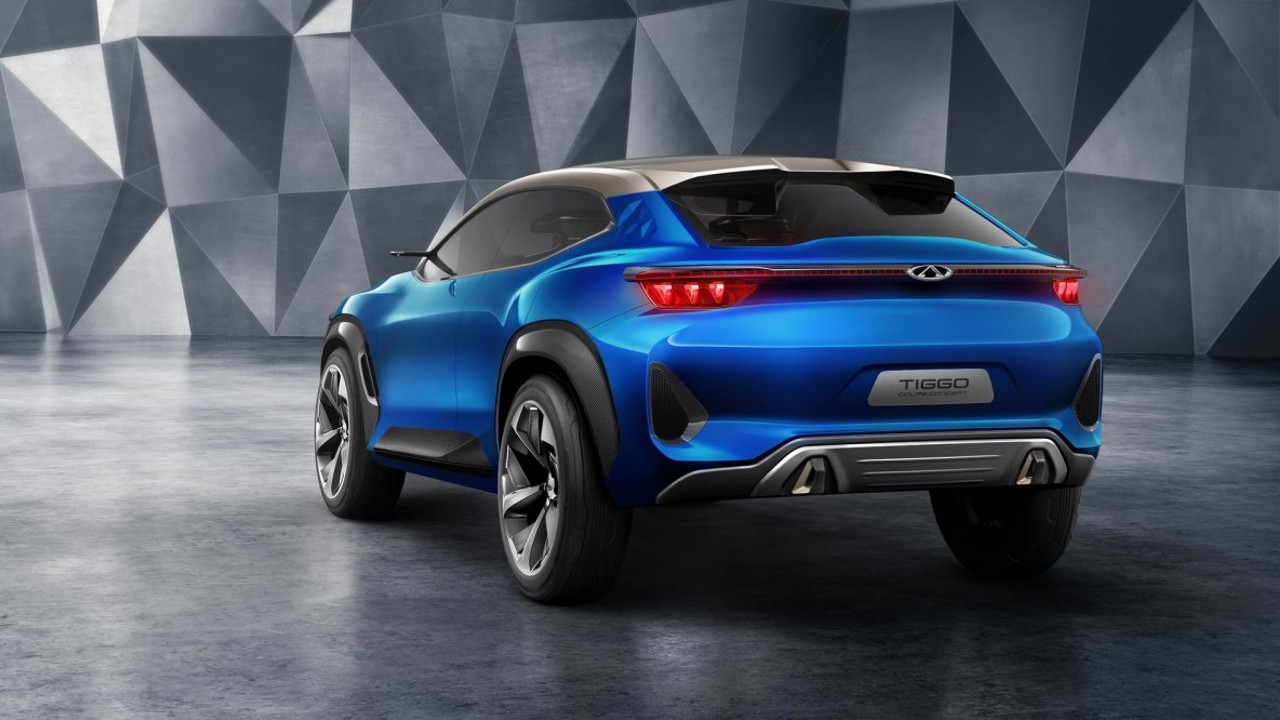
The Omoda 7, the flagship model set to debut in Türkiye, is expected to compete directly in the D-SUV segment. This is one of the most popular categories in Türkiye, driven by a growing demand for larger, family-oriented vehicles that offer both comfort and advanced features. The model is anticipated to integrate cutting-edge safety systems, advanced infotainment, and efficient powertrains, potentially including hybrid options.
Chery has positioned Omoda as a lifestyle brand. Unlike conventional models, Omoda vehicles are marketed toward younger, tech-savvy, and design-conscious customers. By entering the Turkish market, Chery aims to appeal to urban buyers who are seeking an SUV that balances affordability with advanced technology.
Türkiye as a Key Investment Destination
Chery’s Türkiye strategy goes beyond expanding brand presence. The company has committed to establishing a $1 billion production facility in Samsun, with a planned annual capacity of 200,000 vehicles. This plant will not only serve Türkiye’s domestic market but also position the country as a manufacturing hub for exports to Europe, the Middle East, and Central Asia.
The facility is expected to create over 5,000 direct jobs and many more indirect opportunities through supplier networks. Alongside vehicle production, Chery has confirmed that the plant will house a dedicated R&D center, which will drive innovation and customization tailored to regional needs. This dual focus on production and innovation reflects Chery’s intent to integrate Türkiye more deeply into its global strategy.
Why Türkiye Matters for Chery’s Global Expansion
Türkiye holds a unique place in the automotive industry. It is already home to major production facilities for global brands such as Ford, Toyota, Renault, and Hyundai. With a strong supplier base, skilled workforce, and strategic location bridging Europe and Asia, Türkiye is an ideal hub for automakers seeking to expand exports.
For Chery, Türkiye provides access not only to a growing domestic market but also to the European Union’s customs union advantages. By manufacturing locally, Chery can reduce costs, avoid tariffs, and offer more competitive pricing across the region. This positions the Omoda brand, and by extension the Chery group, as a serious challenger to established European and Korean players.
Competition and Market Dynamics
Chery’s expansion comes at a time when competition in Türkiye’s SUV market is intensifying. European automakers like Volkswagen and Peugeot, as well as Korean brands like Hyundai and Kia, dominate the D-SUV segment. Local consumers have increasingly shifted preferences toward SUVs due to their practicality, road presence, and adaptability to Türkiye’s diverse geography.
By launching Omoda, Chery is betting that a combination of affordability, design appeal, and advanced technology can carve out a significant market share. The brand’s emphasis on sleek aesthetics and tech-driven interiors may resonate particularly well with Türkiye’s younger buyers, who are more open to experimenting with Chinese automakers.
Impact on Türkiye’s Economy
The $1 billion investment in Samsun is expected to boost Türkiye’s automotive ecosystem significantly. Beyond employment, the factory will enhance local supplier networks, increase demand for components, and contribute to export earnings. By integrating R&D activities, the facility also supports Türkiye’s broader ambition of becoming a center for automotive innovation and electric mobility.
Government officials have welcomed Chery’s investment as part of a wider push to attract foreign capital into Türkiye’s industrial sectors. This aligns with national strategies to reduce import dependency and expand high-value manufacturing exports.
Potential Electric Vehicle Development
Chery has been aggressively pursuing electrification across its global lineup. While the initial Omoda 7 model in Türkiye may launch with conventional or hybrid powertrains, industry observers believe that electric variants are likely to follow. The Samsun plant’s inclusion of an R&D center increases the possibility that Türkiye will play a role in Chery’s EV development pipeline.
Given Türkiye’s growing focus on green mobility, particularly with the rise of local EV manufacturer TOGG, the introduction of electric Omoda models could position Chery as both a competitor and collaborator in the shift toward sustainable transport.
Looking Ahead to 2026 and Beyond
The arrival of Omoda in Türkiye marks a significant milestone in Chery’s long-term expansion strategy. By diversifying its brand portfolio, investing heavily in local manufacturing, and committing to advanced research, Chery is positioning itself as more than just a foreign entrant. It seeks to become an embedded player in Türkiye’s automotive industry.
Consumers can expect to see the Omoda 7 on Turkish roads by 2026, with additional models likely to follow. If the launch proves successful, Omoda could become a key growth driver for Chery in Europe and beyond, turning Türkiye into a central hub for the brand’s future ambitions.