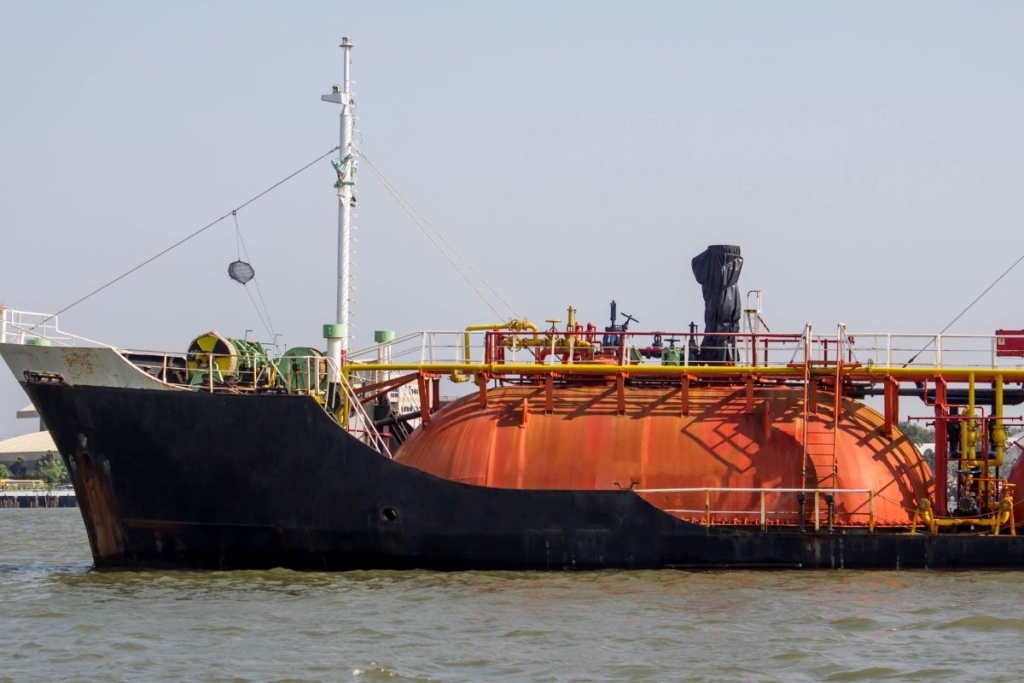

Türkiye’s liquefied petroleum gas (LPG) market witnessed a dynamic shift in June 2025, with exports rising sharply and imports registering a moderate decline. According to the latest LPG Market Sector Report published by the Energy Market Regulatory Authority (EPDK), the country’s LPG exports increased by 67 percent year-over-year, while imports dropped by 5.8 percent during the same period. These figures reflect Türkiye’s evolving position within the global LPG trade ecosystem and a broader trend toward regional energy diversification.
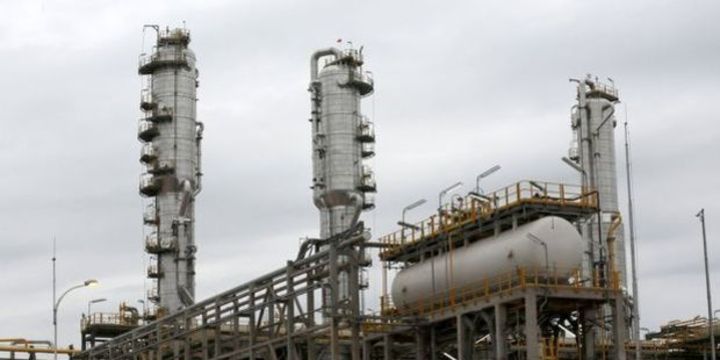
Import Volumes Drop to 289 Thousand Tons
In June, Türkiye imported a total of 289,803 tons of LPG, compared to the same month last year when volumes were higher. This represents a 5.8 percent decline, likely driven by changing supply routes, rising domestic production, and volatile global energy prices.
The majority of Türkiye’s LPG imports came from the following countries:
Algeria
Russia
United States
Georgia
Türkiye Free Zones
Libya
Croatia
Algeria and Russia continue to lead the list of key suppliers, underscoring Türkiye’s reliance on North African and Eurasian energy corridors.
LPG Exports Climb to Nearly 45 Thousand Tons
Contrary to the decline in imports, LPG exports rose sharply, reaching 44,707 tons—a 67 percent increase compared to the same month last year. This export growth signals increased regional demand for Türkiye’s refined LPG products and the growing competitiveness of Turkish energy suppliers.
The LPG exports were directed to 10 different countries and regions, including:
Ukraine
Bulgaria
Switzerland
Syria
United Arab Emirates
Greece
Singapore
Panama
Romania
Türkiye Free Zones
This diverse export portfolio highlights Türkiye’s expanding commercial outreach in both regional and global energy markets.
Domestic LPG Production Also on the Rise
Türkiye’s domestic LPG production increased by 16.8 percent, reaching 87,676 tons in June. This surge aligns with the country’s broader strategy to boost domestic energy output, reduce import dependency, and position itself as an energy exporter where feasible.
The rise in production has likely contributed to the simultaneous growth in exports and decline in import volumes, showing a more balanced approach to supply management.
Domestic Sales Dominated by Autogas
Domestically, LPG consumption remained robust, with a total of 362,295 tons sold in June. The breakdown of these sales underlines the central role of autogas in Türkiye’s LPG consumption patterns:
Autogas: 83.7% of total sales
Bottled LPG: 14.1%
Bulk LPG: 2.3%
Autogas continues to dominate the market, reflecting its widespread use in Türkiye’s transportation sector. The country has one of the highest rates of LPG-fueled vehicle usage in the world, a trend that is further supported by tax incentives and accessible refueling infrastructure.

Key Drivers and Market Trends
The changes reported by EPDK reflect not only seasonal consumption patterns but also strategic shifts in Türkiye’s energy landscape. Several factors have contributed to the recent market behavior:
Global market fluctuations: Ongoing shifts in international energy prices and logistical constraints are encouraging countries to diversify their supply chains.
Increased refining capacity: Türkiye’s investment in domestic refining capabilities may be starting to pay off, reducing the need for imports and enabling higher export volumes.
Geopolitical factors: Trade routes and energy partnerships are being reconfigured globally, particularly in light of the ongoing war in Ukraine and supply instability in parts of the Middle East and North Africa.
Regional demand: Türkiye’s geographic position between Europe, Asia, and the Middle East makes it an increasingly attractive hub for energy transit and redistribution.
Regulatory Framework and Policy Outlook
EPDK’s ongoing efforts to enhance transparency, standardization, and efficiency within the LPG sector are central to the current transformation. With rising domestic production, growing export capabilities, and solid infrastructure for distribution, Türkiye appears well-positioned to remain a key player in regional LPG markets.
Future policy measures are expected to further encourage investment in local refining, improve safety and storage standards, and potentially stimulate alternative uses of LPG in industrial and rural heating applications.
What’s Next for Türkiye’s LPG Market?
Looking ahead, experts anticipate that Türkiye will continue to diversify its energy partnerships while gradually building a more self-reliant LPG sector. The balance between imports, exports, and domestic production may shift further in favor of exports, particularly as new markets emerge in Eastern Europe, Central Asia, and North Africa.
However, maintaining this growth will require strategic infrastructure investment, sustained regulatory support, and close monitoring of global supply chains.
For now, the data suggests a positive trajectory—one where Türkiye not only meets domestic demand but also expands its footprint as an LPG supplier on the international stage.