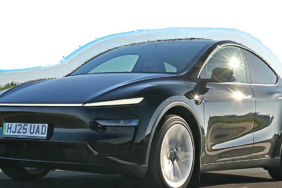

A newly released set of auto industry data has revealed the most popular car models across European countries, highlighting significant differences in consumer preferences. While much of Western and Northern Europe is embracing compact and electric vehicles, particularly the Tesla Model Y, Türkiye has stood out with a clear preference for the Fiat Egea, a locally manufactured and budget-friendly sedan.
The findings provide a snapshot of automotive market dynamics, economic priorities, and consumer behavior across the continent, offering key insights for manufacturers, dealers, and policymakers.

Compact and Electric Cars Rule the European Roads
In the broader European landscape, Volkswagen Golf and Tesla Model Y have emerged as clear leaders. Their dominance spans several major markets, each reflecting unique trends:
Germany, Austria, and Italy continue to favor the VW Golf, underscoring the enduring appeal of well-built, efficient, and familiar hatchbacks.
Norway, Sweden, Switzerland, and the Netherlands are seeing a surge in Tesla Model Y purchases, aligning with their aggressive transition toward electric mobility and strong EV infrastructure.
Eastern European nations such as Bulgaria and Croatia showed high demand for the Skoda Octavia, a model known for its reliability and affordability.
Spain and Portugal leaned toward Dacia Sandero, another compact and budget-friendly vehicle that appeals to value-driven consumers.
France remains loyal to its national brand, with the Renault Clio topping sales charts.
The UK recorded Ford Puma as the top-seller, a crossover that fits the urban–suburban lifestyle mix.
Poland and Greece, on the other hand, favored Toyota Corolla and Toyota Yaris, reflecting trust in Japanese reliability and fuel efficiency.
Türkiye’s Unique Preference: Fiat Egea Takes the Lead
While many European countries are turning toward electric vehicles and compact hatchbacks, Türkiye’s top-selling model stands apart: the Fiat Egea.
Manufactured locally at Tofaş’s Bursa plant, the Fiat Egea has become deeply embedded in Türkiye’s automotive identity. It offers:
Affordability for middle-income families
Variety of body styles including sedan, hatchback, and station wagon
Strong resale value
Wide availability of spare parts and service centers
The Egea’s success is not only due to its price point but also because of its strategic localization. With domestic production incentives, reduced logistics costs, and strong dealership networks, Fiat has positioned the Egea as a practical and patriotic choice for Turkish consumers.
Why EVs Haven’t Taken Over in Türkiye—Yet
Türkiye’s market stands in contrast to many parts of Europe where electric vehicles are climbing the charts. Several factors help explain this difference:
Infrastructure gaps: Türkiye’s charging station network, though growing, is still in early stages compared to countries like Norway or the Netherlands.
Economic constraints: Despite the long-term savings of EVs, higher upfront costs can deter average buyers.
Brand familiarity and national loyalty: Models like the Fiat Egea have built trust over decades, particularly in more price-sensitive regions.
However, this may be changing. With Türkiye’s TOGG electric car initiative and government incentives for EV adoption, the next few years could see a gradual shift in consumer trends.
Country-by-Country Snapshot: Top-Selling Models
Here’s a breakdown of Europe’s best-selling vehicles by country:
Germany → VW Golf
Austria → VW Golf
Italy → VW Golf
France → Renault Clio
UK → Ford Puma
Spain → Dacia Sandero
Portugal → Dacia Sandero
Poland → Toyota Corolla
Greece → Toyota Yaris
Bulgaria → Skoda Octavia
Croatia → Skoda Octavia
Belgium → BMW X1
Denmark → Tesla Model Y
Switzerland → Tesla Model Y
Sweden → Tesla Model Y
Netherlands → Tesla Model Y
Norway → Tesla Model Y
Türkiye → Fiat Egea
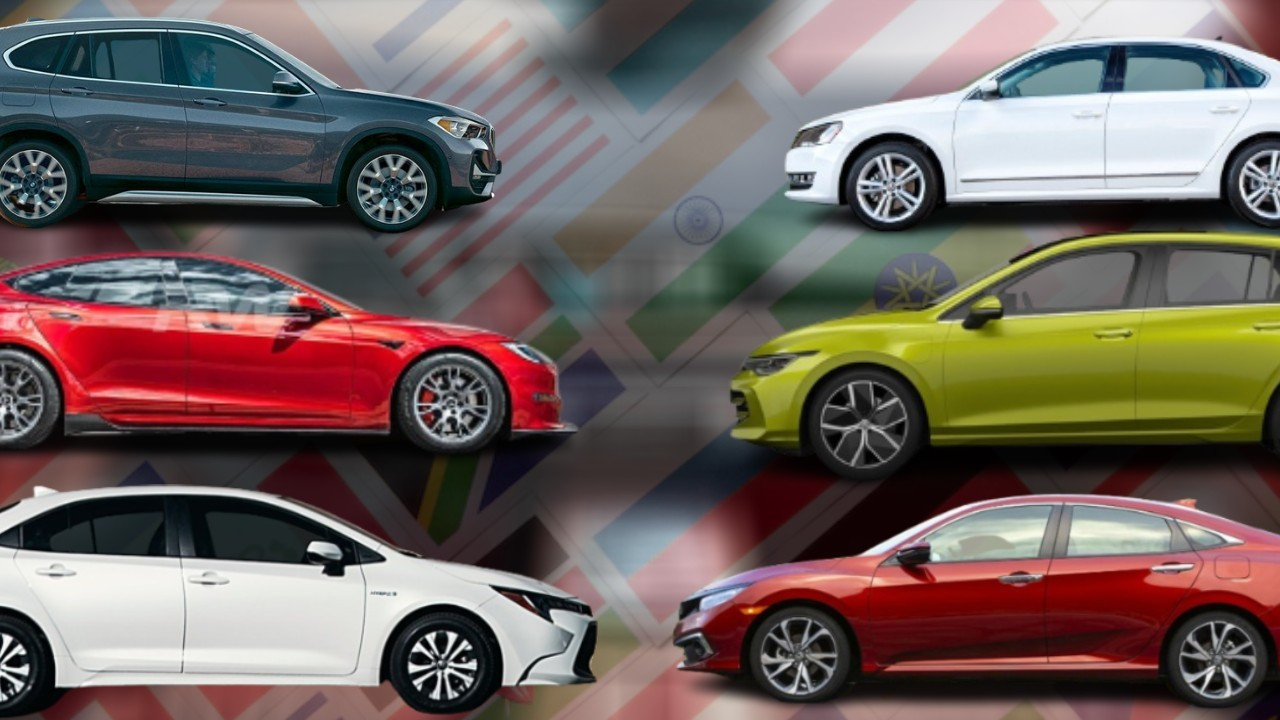
This list shows how local economies, infrastructure, and cultural preferences influence vehicle popularity. It also reflects broader patterns—Western Europe is pushing electrification, Eastern Europe leans toward affordability, and Türkiye stands as a hybrid of both philosophies.
The Broader Economic Context Behind Preferences
Each country’s top choice says something deeper about its economic conditions and policy priorities:
Norway’s Tesla boom is the result of a decades-long national plan to eliminate fossil fuel cars by 2025, including tax breaks and free charging.
Germany’s VW loyalty reflects domestic manufacturing pride and the enduring power of legacy automakers.
France and Italy’s favorites show how local brands still dominate their home turf.
Türkiye’s choice is deeply tied to national production, cost-efficiency, and practicality in a market sensitive to fuel prices and inflation.
Will the Landscape Change?
As EV prices gradually decrease, and as charging infrastructure expands, Türkiye and other cost-sensitive markets may begin to mirror Northern European trends. In fact, the upcoming expansion of TOGG, Türkiye’s first domestic EV, could alter future rankings if it achieves mass-market affordability and availability.
On the flip side, economic uncertainty, inflation, and global supply chain issues may further reinforce the demand for affordable, fuel-efficient internal combustion engine vehicles in many parts of Europe, including Türkiye.
What Car Manufacturers Should Take Away
This data offers clear insights for automakers looking to grow their presence in specific European markets:
Localization matters: Fiat’s success in Türkiye is proof that local production and cultural alignment can drive long-term dominance.
EV adoption is uneven: While some markets are ready, others require targeted policies and accessible infrastructure to shift consumer behavior.
Affordability remains king: No matter the market, price sensitivity plays a key role—particularly in Eastern and Southern Europe.