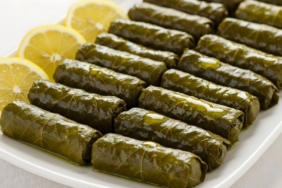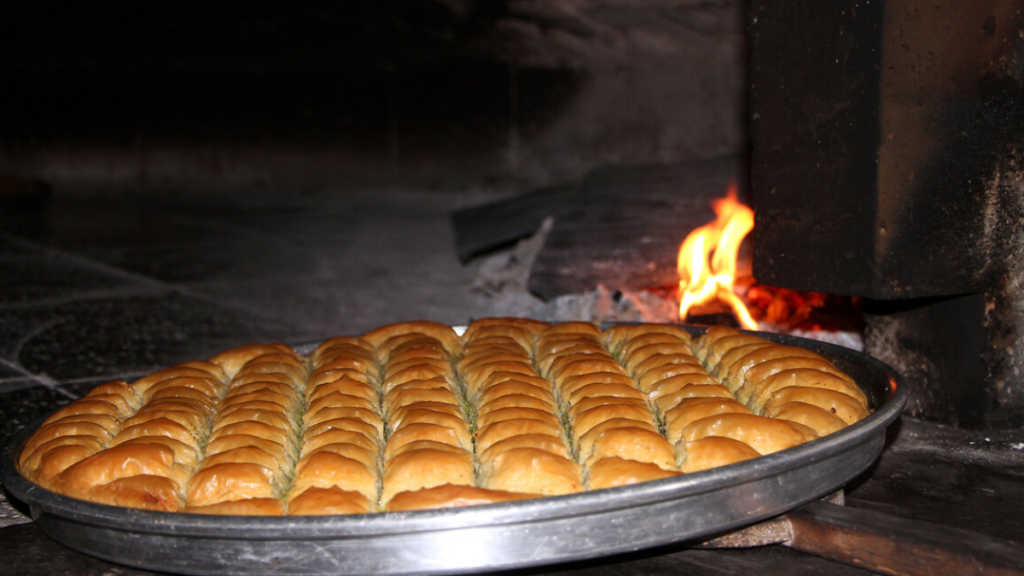

Turkish cuisine is a vibrant tapestry woven from centuries of history, diverse cultural influences, and a deep respect for local ingredients. Shaped by the migration routes stretching from Central Asia to Anatolia, enriched by the opulence of the Ottoman palace kitchens, and blended with the freshness of Mediterranean traditions, it offers an unparalleled culinary experience. Today, it is celebrated worldwide not only for its flavors but also for the cultural narratives each dish carries.
A Culinary Heritage Rooted in Culture
Türkiye’s regional diversity is vividly reflected in its food. Every corner of the country boasts unique recipes, shaped by geography, climate, and centuries-old cooking techniques. While globally famous for kebabs and desserts, Turkish cuisine extends far beyond that. From rich pastry traditions and hearty meat stews to street food favorites and fresh seafood, the variety is boundless.
Dishes like mantı, lahmacun, pide, and künefe have moved from local eateries to international dining scenes, appearing both in authentic restaurants and bustling street food markets. The meticulous use of local ingredients and the preservation of traditional preparation methods ensure that every bite is more than a meal—it is a cultural journey.
Global Ambassadors of Turkish Flavor
Döner Kebab
One of Türkiye’s most recognizable culinary exports, döner is prepared by stacking seasoned meat onto a vertical rotisserie, slow-cooking it, and shaving off thin slices for serving. Its ease of preparation, rich flavor, and satisfying nature have made it a staple street food across the globe. From small corner shops in Europe to bustling food stalls in Asia, döner attracts loyal fans everywhere.
Baklava
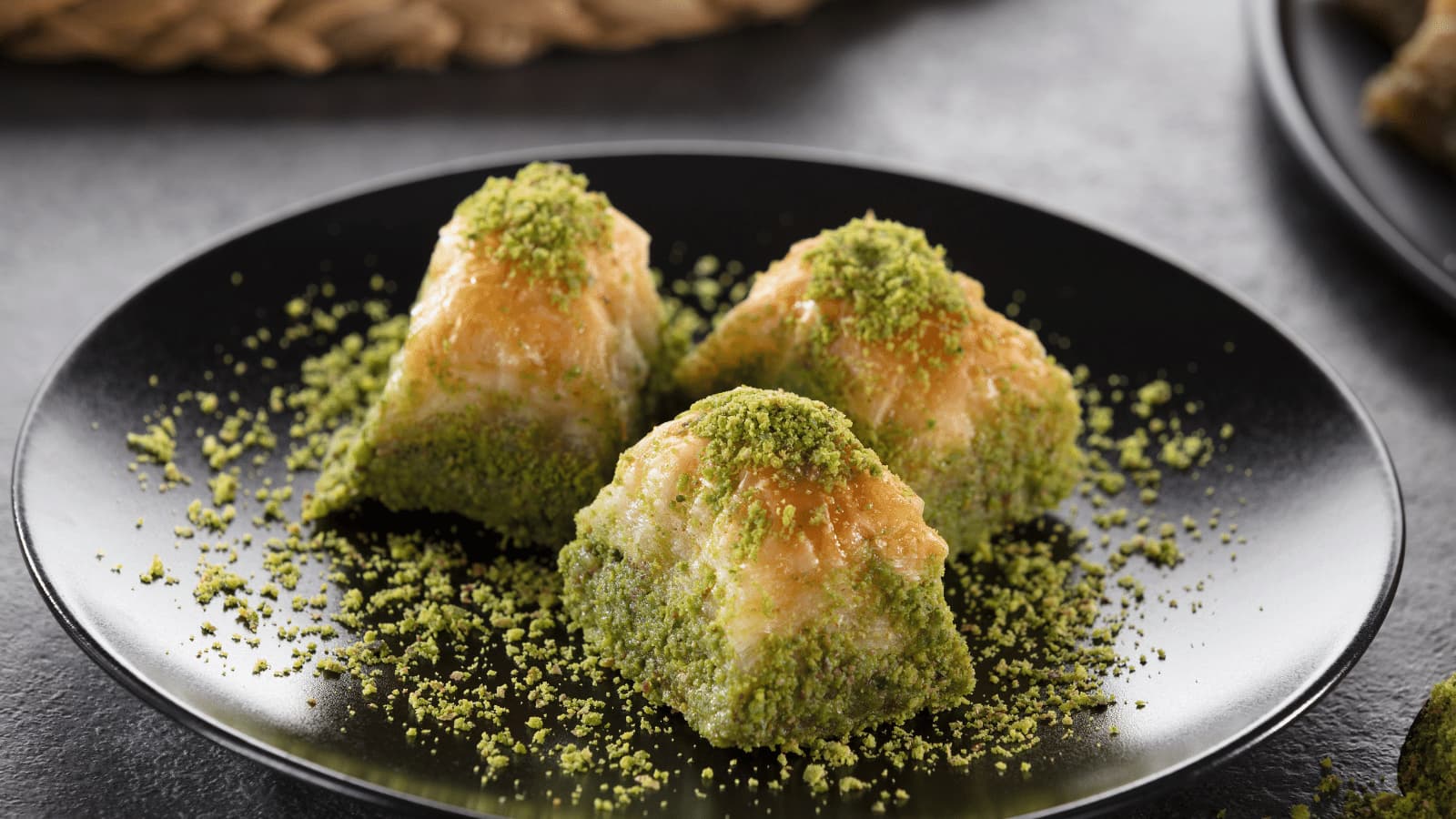
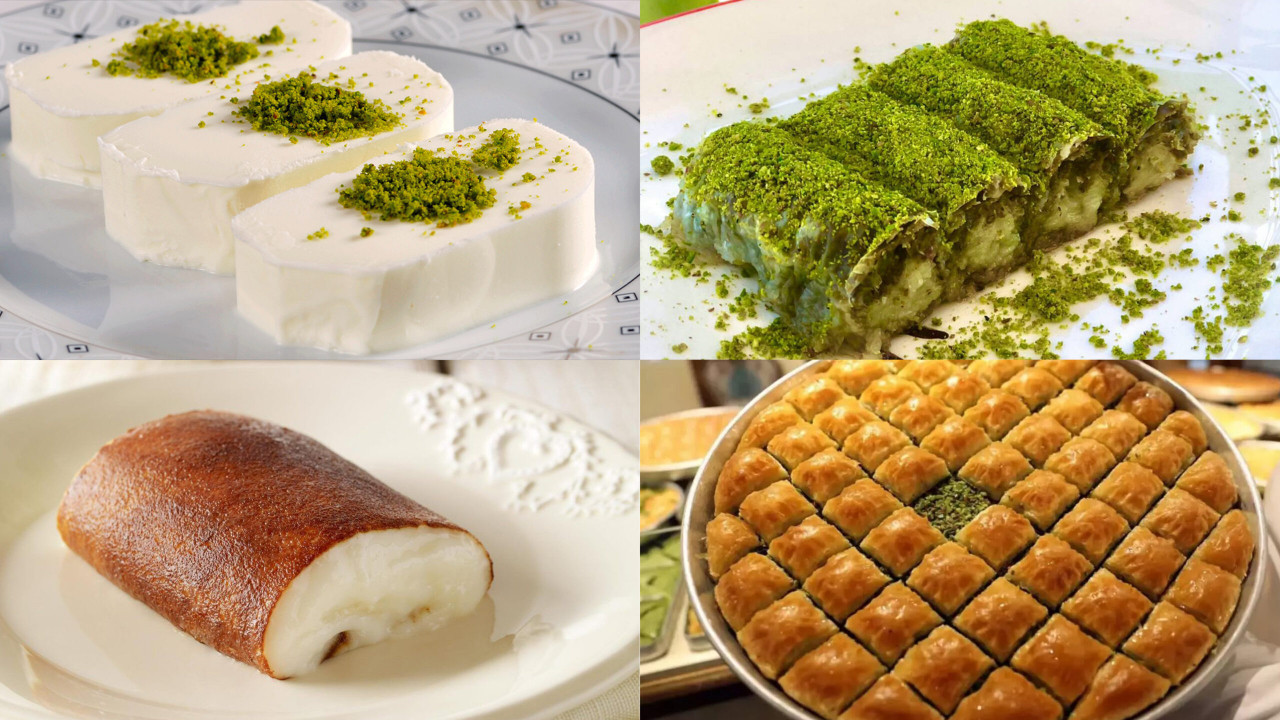
A symbol of indulgence, baklava is crafted from ultra-thin layers of pastry filled with pistachios or walnuts, baked to golden perfection, and soaked in sweet syrup. Gaziantep baklava, in particular, holds a protected geographical indication by the European Union, affirming its authenticity and cultural value. This dessert’s balance of sweetness, crunch, and aroma makes it an enduring favorite both in Türkiye and abroad.
Lahmacun
Often nicknamed “Turkish pizza” abroad, lahmacun is a thin, crispy dough topped with minced meat, finely chopped vegetables, and aromatic spices. Served with fresh herbs and a squeeze of lemon, it is lightweight yet flavorful, making it a popular choice for both quick street snacks and restaurant menus.
İskender Kebab
Originating from Bursa, İskender kebab is a lavish dish featuring thin slices of meat served over soft pieces of pita bread, generously topped with hot tomato sauce, melted butter, and accompanied by yogurt. Its layered textures and rich taste have earned it a place as a celebratory main course in many households and restaurants.
Mantı
Known as Türkiye’s answer to dumplings, mantı consists of small dough parcels filled with seasoned minced meat, typically served with garlic yogurt and a butter-paprika sauce. The Kayseri variety is renowned for its tiny size and delicate craftsmanship, making it a cherished dish for special occasions and family gatherings.
Künefe
This warm dessert from Hatay combines shredded pastry with a soft cheese filling, baked until crispy, and drenched in sweet syrup. Often served hot and topped with ground pistachios, künefe holds a special place not only in Turkish dining culture but also in the broader Middle Eastern culinary tradition.
The Cultural Experience Beyond the Plate
Turkish cuisine is more than food—it is a reflection of hospitality, community, and tradition. Sharing meals is central to social life, with dining tables becoming spaces where stories are told, relationships are nurtured, and cultural heritage is passed on.
Markets brim with fresh produce, spices, cheeses, and olives, inviting both locals and visitors to engage with the raw elements of the cuisine. Cooking methods, often passed down through generations, carry the wisdom of centuries. Clay ovens, copper pans, and wood-fired grills still find their place alongside modern kitchen tools, preserving authenticity while embracing innovation.
A Global Culinary Presence
In recent decades, Turkish cuisine has gained significant traction in international gastronomy. From New York to Tokyo, Turkish restaurants are introducing global audiences to authentic flavors. Culinary festivals, cooking shows, and social media have amplified its reach, sparking curiosity and encouraging cross-cultural appreciation.
Moreover, the rise of Turkish chefs on the global stage has brought modern interpretations of traditional dishes, creating a fusion between heritage and contemporary trends. While innovation plays a role, the core values of freshness, quality, and balance remain intact.
Why Turkish Cuisine Resonates Worldwide
The universal appeal of Turkish food lies in its balance—spices enhance rather than overpower, textures complement one another, and meals often incorporate a mix of vegetables, grains, and proteins. Whether it’s the hearty warmth of a slow-cooked lamb stew, the zesty freshness of a meze platter, or the indulgent sweetness of a dessert, there’s something for every palate.
For travelers, exploring Turkish cuisine becomes an extension of exploring Türkiye itself. Each region offers a distinct culinary identity: the seafood-rich Aegean coast, the spice-infused Southeast, the dairy-heavy Central Anatolia, and the olive oil-based Mediterranean.
Preserving and Promoting a Culinary Treasure
Efforts are underway to document, protect, and promote Turkish cuisine globally. UNESCO recognition of certain dishes, geographical indication statuses, and international collaborations ensure that these flavors remain authentic while reaching new audiences. Cooking classes, gastronomy tours, and regional food festivals further strengthen its cultural footprint.
As more people seek genuine, flavorful, and meaningful dining experiences, Turkish cuisine stands ready to meet that demand—not just as food, but as a journey through history, culture, and community.