
In a move that has sparked diplomatic and economic attention, Syria’s Ministry of Economy and Foreign Trade has imposed an indefinite ban on frozen chicken imports from Türkiye. The decision, effective as of August 15, 2025, aims to protect local poultry producers and reinforce food security measures. However, Türkiye’s Ministry of Trade has quickly responded, clarifying that the restriction is temporary and part of a broader policy that affects all foreign suppliers, not just Türkiye.
The Syrian import restriction comes amid a series of policy adjustments by Damascus to control agricultural imports and stabilize domestic markets, particularly in poultry and fresh produce sectors.
Türkiye Responds with Assurance and Strategic Trade Positioning
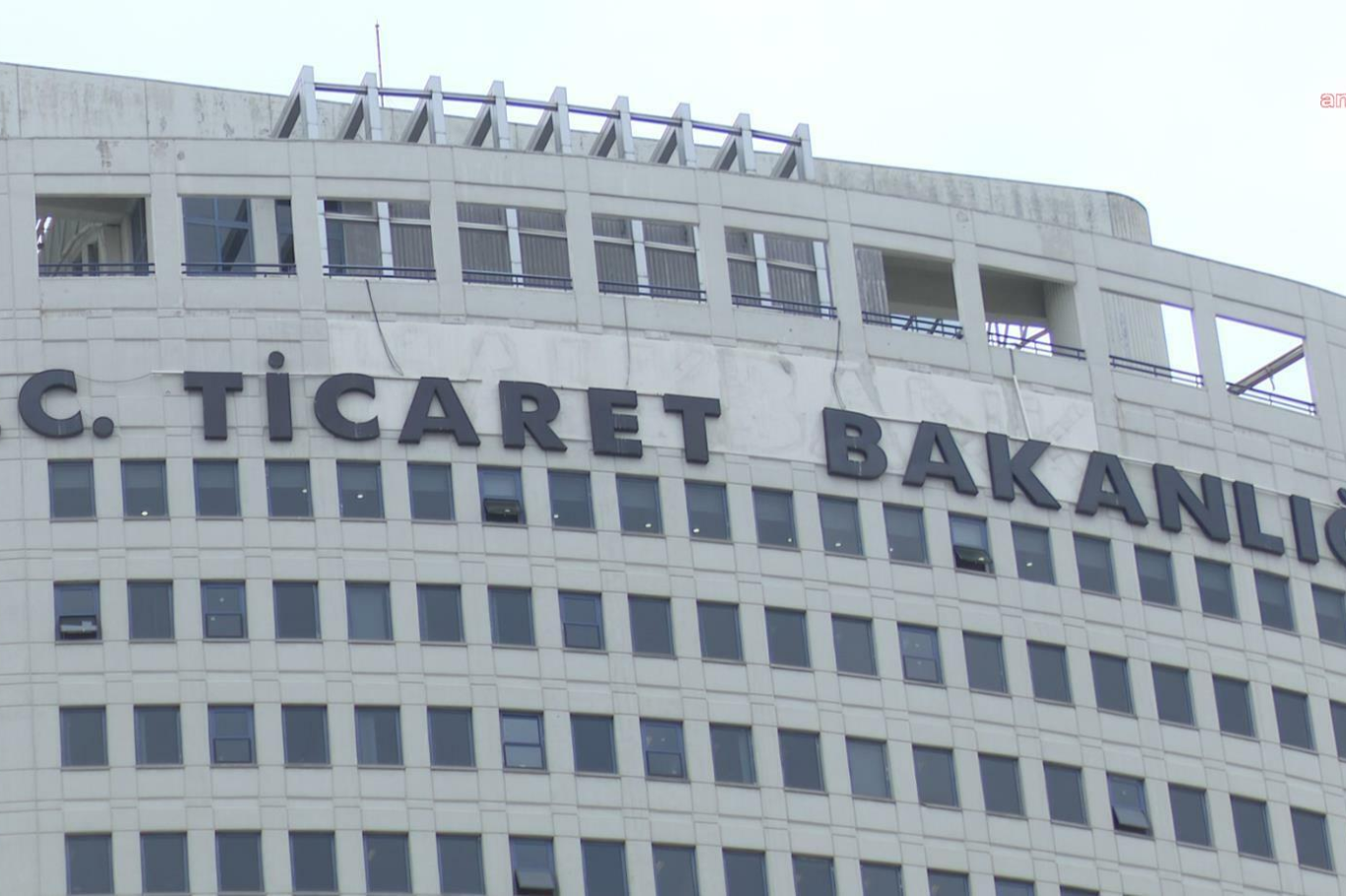
The Turkish Ministry of Trade issued an official statement, emphasizing that Syria’s decision is not exclusive to Türkiye and should be seen as a periodic regulatory measure. According to the statement, the Syrian Ports and Land Border Authority issued a directive on July 27, 2025, limiting the importation of certain agricultural and livestock products only during August 2025, regardless of country of origin.
The Ministry also reiterated that Türkiye continues to be Syria’s largest trading partner, with bilateral trade growing significantly in the past year. Exports from Türkiye to Syria between December 8, 2024, and August 17, 2025, surged by 54.31 percent compared to the same period in the previous year.
List of Affected Products Grows to 20 Categories
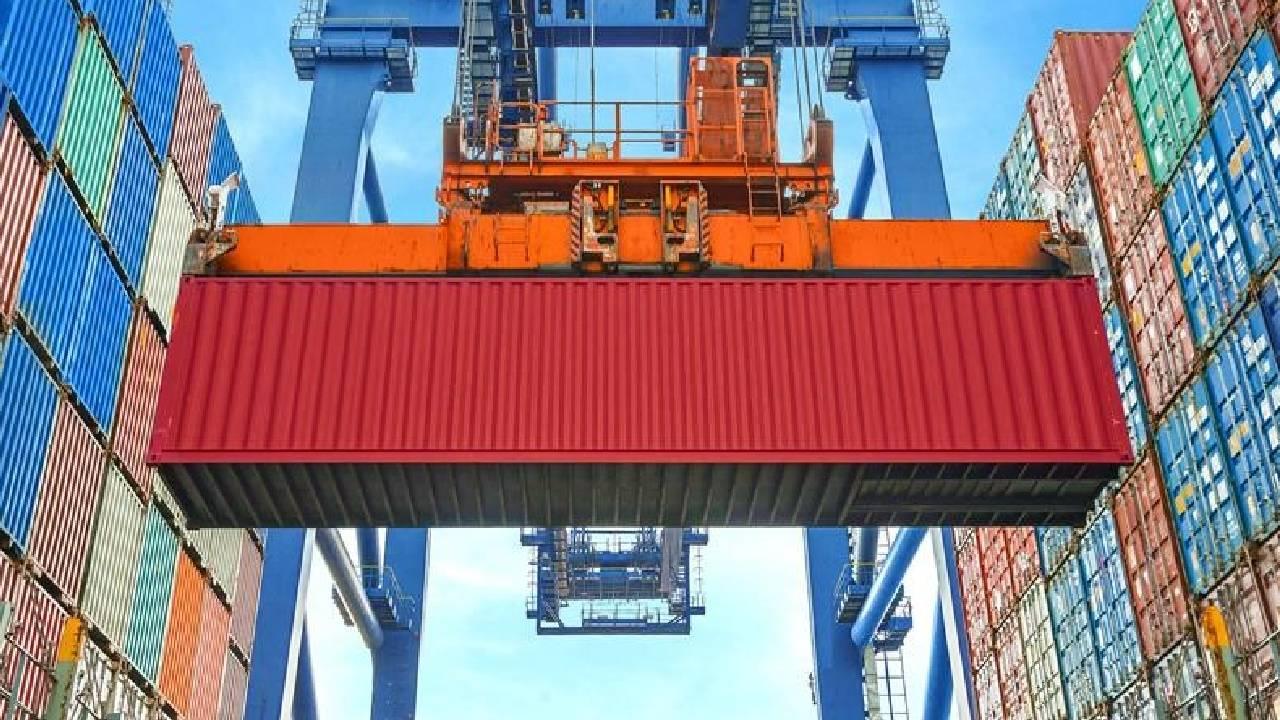
The poultry ban is part of a wider embargo that now includes 20 agricultural and animal products, such as:
Fresh tomatoes
Cucumbers
Potatoes
Eggplants
Bell peppers
Apples
Grapes
Peaches
Cherries
Melons
Figs (both fresh and dried)
Garlic
Eggs
Chicken meat
This comprehensive restriction expands upon a previous measure implemented on June 1, 2025, which prohibited the import of several core vegetables including carrots, onions, and green beans. The extended ban appears to be a response to growing concerns among Syrian producers, especially in regions like Hama, where price competition from imports was allegedly undermining local agriculture.
Joint Economic Activity Persists Despite Temporary Barriers
Despite these regulatory shifts, Türkiye and Syria continue to pursue mutual economic engagement. In early August, Syrian Economy Minister Nidal Eş Şaar visited Türkiye with a delegation, engaging in high-level talks and signing 18 Memorandums of Understanding (MoUs). These agreements covered various sectors and led to the creation of the Türkiye-Syria Economic and Trade Joint Committee (JETCO) and the Türkiye-Syria Business Council.
Such institutional frameworks are vital for sustaining cooperation during periods of policy fluctuation. Turkish officials have emphasized that trade relations are progressing within a structured and forward-looking approach, even when temporary bans are enacted.
Türkiye Set to Showcase Economic Presence at Damascus Trade Fair
Looking ahead, Türkiye is preparing for strong participation in the Damascus International Trade Fair, scheduled to begin on August 27 and continue through September 2025. The Turkish Ministry of Trade will lead a delegation of nearly 100 Turkish companies, occupying a dedicated 1,000 square-meter national pavilion.
The event, one of the most significant commercial expos in the region, is expected to reinforce Türkiye’s influence in Syrian markets. The Turkish Exporters Assembly (TİM) is also organizing a high-level trade mission, with leading firms from sectors such as food, machinery, textiles, and construction set to attend.
The Economic Rationale Behind Syria’s Import Strategy
From Syria’s perspective, these import bans aim to bolster domestic production and reduce reliance on foreign goods during peak harvest and supply periods. With global food supply chains facing ongoing disruptions and inflationary pressures, local self-sufficiency has become a priority.
However, critics argue that such blanket bans, even when temporary, can disrupt existing trade relationships and harm consumer access to affordable goods. Balancing local agricultural protection with open-market competitiveness remains a delicate task for Syrian policymakers.
Trade Partnerships Can Weather Temporary Barriers
Türkiye’s consistent communication about the temporary and non-exclusive nature of the ban helps prevent potential diplomatic strain. By framing the restriction as seasonal and technical, rather than punitive, Ankara reinforces its long-term commitment to trade stability.
Moreover, the historical, geographic, and economic proximity between Türkiye and Syria ensures that dialogue remains open, especially as post-conflict economic reconstruction efforts continue in various parts of Syria.
A Broader Context of Regional Trade Complexity
This development also takes place in the broader context of regional economic realignment. Many countries in the Middle East are recalibrating import-export policies to support local industries, attract investment, and manage food security.
Türkiye, with its advanced export logistics, diversified product base, and integrated infrastructure, remains a preferred supplier for much of the region. Navigating temporary trade restrictions with diplomacy and resilience is part of Ankara’s broader economic diplomacy strategy.
Türkiye Maintains Strategic Focus Amid Shifting Trade Dynamics
As Türkiye positions itself as a resilient and reliable partner, especially for neighboring economies like Syria, it continues to adapt to complex trade environments. Temporary bans such as the one issued by Syria are treated not as obstacles but as manageable fluctuations in a long-term economic relationship.
The upcoming Damascus Trade Fair, the MoUs signed in August, and continued ministry-level dialogue signal that bilateral economic engagement is deepening, not retreating. With careful management and sectoral diversification, Türkiye is likely to maintain its leading position in Syria’s trade landscape — even amid periodic policy adjustments.