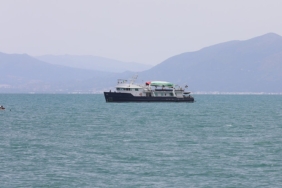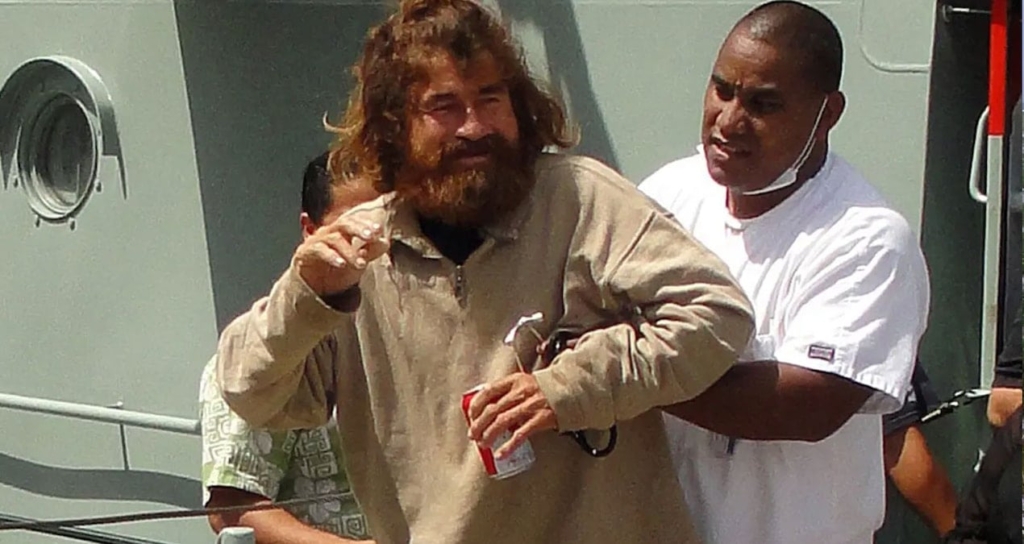

What began as a routine fishing trip off the coast of Mexico in late 2012 turned into one of the most astonishing survival stories ever recorded. José Salvador Alvarenga, a seasoned fisherman, found himself trapped in a nightmare of isolation, starvation, and uncertainty — stranded in the vast Pacific Ocean with nothing but his instincts and a dying hope for salvation.
His 14-month journey defied the limits of the human body and mind, becoming an unforgettable testament to endurance, faith, and the primal will to live.
Swept Into the Abyss
Alvarenga set out from Mexico in a small open fishing boat accompanied by 22-year-old assistant Ezequiel Cordoba. A sudden storm upended their voyage, rendering their boat uncontrollable and cutting off all means of communication. The ocean, unrelenting and vast, swallowed their sense of direction and hope alike.
Days melted into weeks. The sky was their only clock: the scorching sun ruled by day, and cold star-strewn darkness by night. Food supplies ran out quickly, and the two men were forced to improvise to survive.
Starvation and Loss
The harsh reality of survival quickly set in. Alvarenga recalls eating anything he could catch by hand — small fish, sea turtles, birds — raw and often still moving. Rainwater was collected for hydration. When clouds failed to bring relief, he drank turtle blood and even his own urine to fend off dehydration.
Cordoba, however, could not adapt. He refused to eat raw food and became severely weakened. After four grueling months, Cordoba passed away, leaving Alvarenga entirely alone.
Haunted by grief, Alvarenga admitted that he kept Cordoba’s body on board for days, speaking to him to stave off madness. But when hallucinations began, he feared for his own sanity and eventually released the body into the sea. “I wanted to die,” he later confessed, “but my faith held me back.”
The Physical and Mental Toll
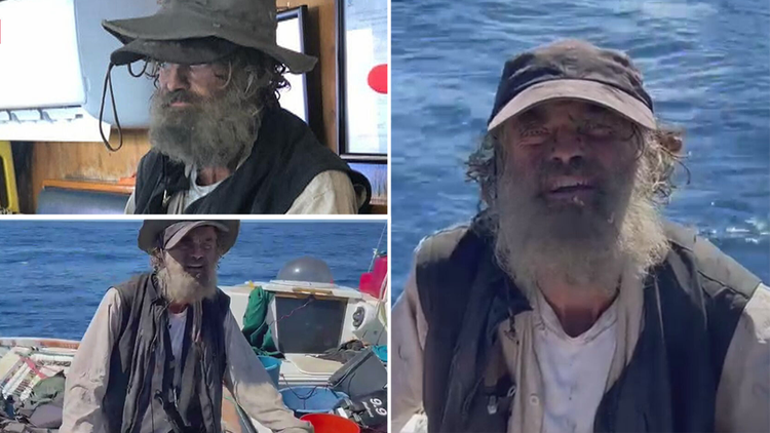
With each passing day, Alvarenga’s body deteriorated. His hair matted into dreadlocks, his beard became unkempt and wild. His skin cracked from sunburn and saltwater exposure. His ankles swelled from edema, his wrists thinned to bone. Hunger gnawed at him constantly, and loneliness pressed into every corner of his mind.
Still, he survived.
Driven by the hope of reuniting with his family — and honoring the memory of his lost companion — Alvarenga clung to life in a place most would succumb.
The Miracle on Ebon Atoll
After 438 days adrift, Alvarenga’s boat washed ashore near the remote Ebon Atoll in the Marshall Islands, over 6,500 kilometers from his starting point. Two local islanders spotted him — emaciated, sunburned, barefoot, clutching a knife and shouting in Spanish — and were initially too stunned to believe he was real.
He had lost the ability to make eye contact, walking with difficulty but refusing assistance as he stepped off the boat and onto solid ground for the first time in over a year. His condition shocked rescuers, but his survival inspired awe.
Alvarenga was quickly hospitalized and treated for severe dehydration and malnutrition. His first public statements were filled with gratitude. “I thank God for saving me,” he said. “What kept me alive was the dream of seeing my family again — and my promise to return to Cordoba’s family.”
Skepticism and the Search for Truth
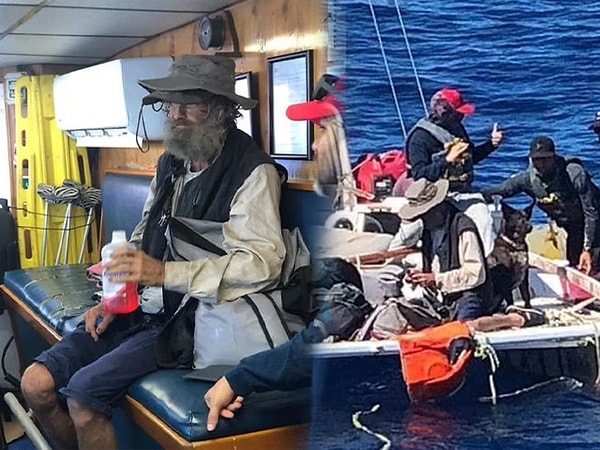
Initially, many doubted the story. How could someone survive alone on the ocean for 14 months in a boat barely bigger than a car?
But piece by piece, Alvarenga’s account held up:
Mexican authorities confirmed that two fishermen had gone missing on the day Alvarenga departed.
The serial number on his boat matched one reported lost near Chiapas, Mexico.
Oceanographers verified that Pacific currents could realistically carry a drifting boat from Latin America to the Marshall Islands.
He passed a polygraph test, answering questions consistently and without deception.
Soon, what seemed like a myth was acknowledged as fact.
A Story That Transcends Survival
Alvarenga’s survival is not just a tale of enduring hunger and ocean storms. It’s a human story — of loss, belief, despair, madness, and an unwavering will to survive.
Today, his account is studied by survival experts, psychologists, and adventurers. It has been adapted into documentaries, news specials, and a best-selling book. But at its heart, it remains a story about the most ancient of instincts: staying alive when everything around you says it’s impossible.