
➤ According to www.otombilhaber.com
Turkey’s robust automotive industry and its favorable tax incentives for electric vehicles (EVs) have attracted the attention of global manufacturers, marking the country as a central player in the electric car revolution. Following the launch of substantial incentives for EVs, demand in Turkey has soared, prompting European factories to adjust their production strategies.
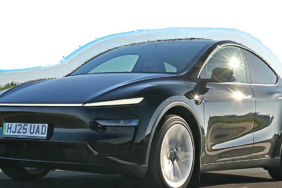
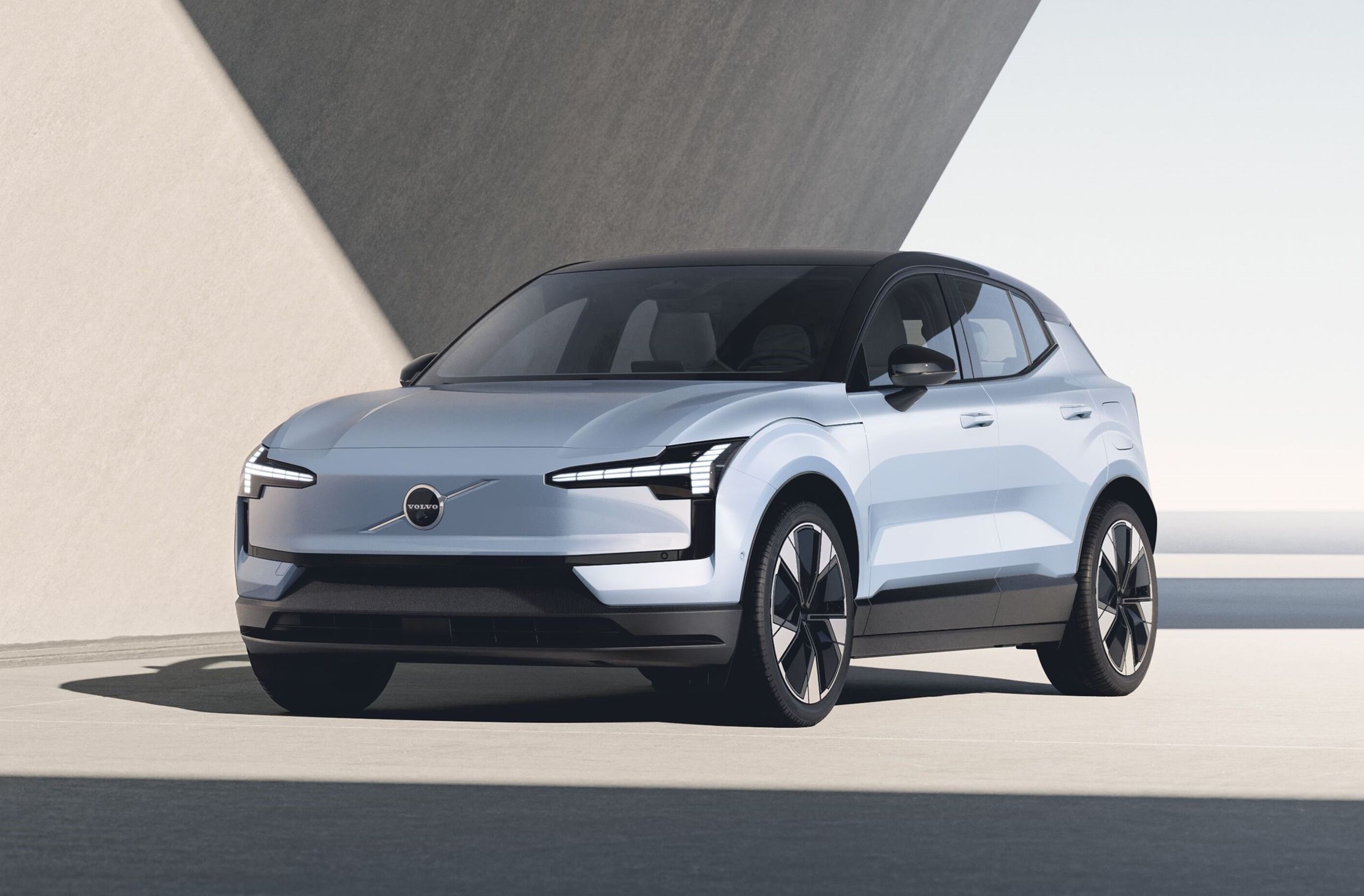
The first example of this trend came from Volvo, which recently announced that its EX30 electric model, produced in Ghent, Belgium, would prioritize Turkey for its first production batches. Shortly thereafter, Tesla, despite facing a political boycott in Europe, declared that its Model Y production in Germany would give Turkey production priority.
Why Turkey Is the Priority for European Electric Vehicle Manufacturers
The primary reason for this shift lies in Turkey’s stronger consumer demand for electric vehicles compared to other European markets. In Turkey, the tax burden on traditional vehicles is significantly higher. For instance, cars like the Renault Clio and Fiat Egea, produced in Bursa, face an 80% special consumption tax (ÖTV). In contrast, a high-spec Tesla Model Y, manufactured in Berlin, is subject to only 10% ÖTV in Turkey. This tax advantage has made Turkey an increasingly attractive market for global manufacturers, while local producers like Renault, Fiat, and Toyota struggle to remain competitive due to the disadvantageous tax system for internal combustion engine (ICE) vehicles.
Volvo EX30’s Exclusive Focus on Turkey
In a recent statement, Volvo Car Turkey General Manager, Alican Emiroğlu, shared details about the new Volvo EX30 electric vehicle. This model, produced at Volvo’s Ghent factory, will be available in Turkey with an exclusive 150 kW motor option tailored to the Turkish market. Emiroğlu emphasized that Turkey would be one of the first markets to receive the EX30, with a substantial portion of the factory’s initial production capacity allocated to meet Turkish demand. “We are excited to bring the EX30 to Turkey.
Our customers will be able to place orders by the end of April, and we plan to launch the vehicle in June, with deliveries expected to begin in July,” said Emiroğlu.
Tesla’s Success in Turkey Amidst European Struggles
Meanwhile, Tesla is experiencing a surge in demand in Turkey, where its Model Y has quickly sold out. Despite Tesla’s sales declining by 37.2% in Europe during the first quarter, Turkey’s robust market has provided much-needed relief for the company. Tesla opened online orders for the Model Y in Turkey, and within seconds, nearly 4,000 vehicles were sold out. In response, Tesla Turkey officials confirmed that Berlin’s factory would prioritize production for the Turkish market, stating, “Berlin’s factory is giving priority to the production of the new Model Y SR for Turkey, and we expect another inventory release next week.”
The Struggle for Local Manufacturers
The growing dominance of foreign brands in the Turkish automotive market is leaving local manufacturers at a disadvantage. In addition to Tesla and Volvo, other European automakers are increasing their production capacities to meet Turkey’s growing demand for electric vehicles. However, local manufacturers, such as Renault, Fiat, and Toyota, are facing difficulties due to outdated tax regulations that benefit electric and hybrid vehicles. In contrast, foreign brands are able to produce more competitive electric models at more favorable tax rates, leading to a situation where local manufacturers cannot compete on price or technology.
For instance, the Renault Clio produced in Bursa has a price tag of 1.53 million TRY for the most equipped model, whereas Tesla can offer the highly equipped Model Y for just 1.87 million TRY—a significant difference despite the Tesla’s larger size and more advanced features.
The shift of electric vehicle production to Turkey is reshaping the local automotive landscape. Global manufacturers, recognizing the country’s strong consumer demand and tax incentives for electric vehicles, are prioritizing production for the Turkish market. While foreign brands thrive in this new environment, local manufacturers face mounting challenges, unable to compete with the advantages provided to electric vehicles in terms of tax benefits.
As Turkey continues to grow as a hub for electric vehicle production, it remains to be seen how local brands will adapt to this evolving market landscape.
➤ Source: www.otombilhaber.com