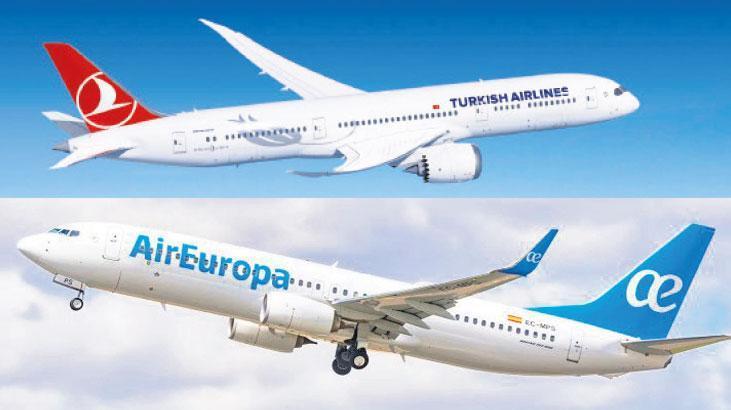

Turkish Airlines is poised to expand its strategic footprint in the global aviation industry through a high-profile investment in Spain’s Air Europa. The deal, expected to involve a capital injection of approximately €300 million, has been accepted in principle and now awaits final regulatory approvals. While the specific stake to be acquired by Turkish Airlines will be determined during the financial and technical closing phase, the agreement has already sent waves across the aviation world.
This development is not merely a financial transaction — it signals Turkish Airlines’ ambition to broaden its influence in key international markets, particularly in Latin America, while fortifying commercial ties between Türkiye and Spain. The investment is expected to contribute significantly to tourism, cargo traffic, and economic exchange between the two nations.
A Strategic Investment with Global Implications
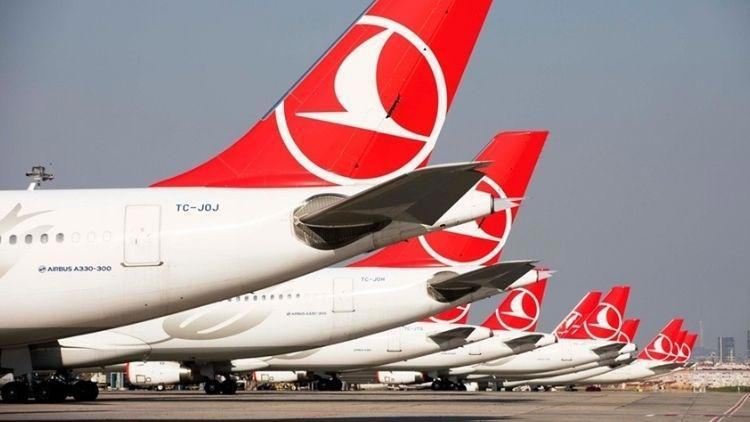
Turkish Airlines, widely regarded as one of the most rapidly growing carriers in Europe and the Middle East, is strategically positioning itself for the future. Through this investment in Air Europa, it aims to tap into new tourism corridors, access underserved routes, and build synergies that align with its long-term growth agenda.
Company executives have emphasized that this acquisition is not just about numbers — it’s about creating a shared vision. Turkish Airlines Chairman Prof. Dr. Ahmet Bolat described the move as “an important step in our horizontal expansion,” while CFO Murat Şeker noted, “We expect this to be a profitable investment with a seat at the management table.”
Air Europa’s Strategic Value for Turkish Airlines
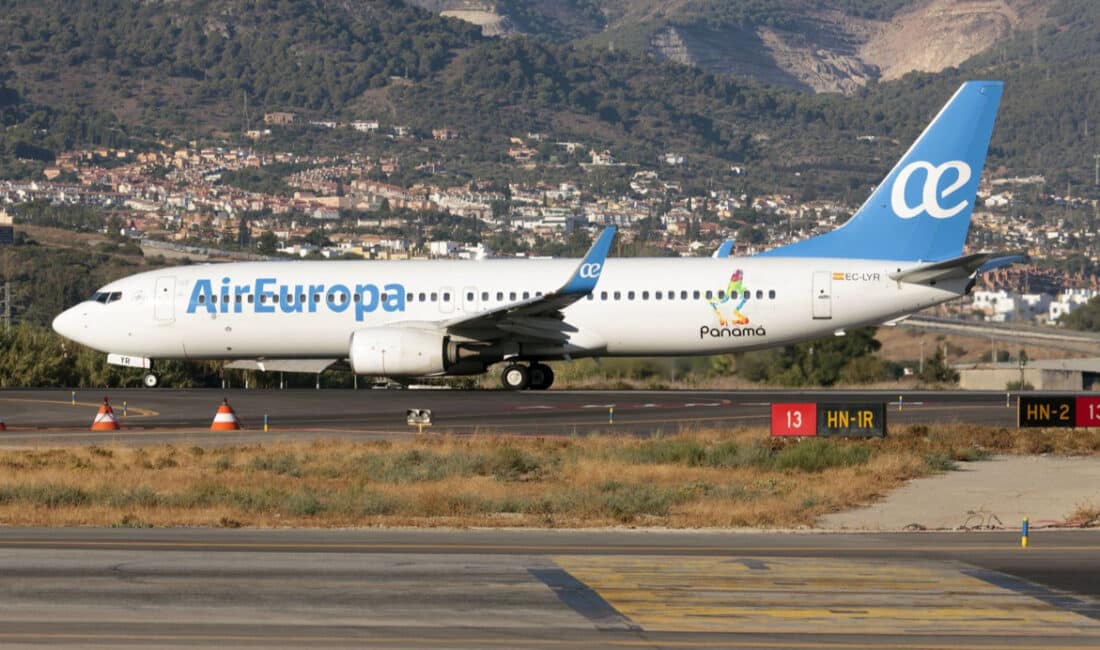
Air Europa, headquartered in Madrid, carried 22 million passengers in 2024 and operates a fleet of 53 aircraft. Its business model is in many ways complementary to Turkish Airlines, making the partnership a natural fit. From joint mileage programs and aircraft leasing to maintenance operations and future acquisitions, the scope for cooperation is vast.
Moreover, this investment comes at a time when Latin America is emerging as a high-potential market for global aviation. Air Europa’s strong presence in Spain and Latin America provides Turkish Airlines with a unique entry point into these regions, allowing the company to offer more seamless long-haul connections from Istanbul.
Reinforcing Türkiye–Spain Relations Through Aviation
The Turkish Airlines–Air Europa partnership is expected to have a ripple effect on broader Türkiye–Spain relations. Enhanced air connectivity will likely facilitate a boost in business travel, cultural exchange, and cargo trade. The alignment of two leading carriers in the Mediterranean basin not only promotes commercial activity but also reflects a growing spirit of cooperation between the two countries.
The initiative also carries symbolic weight. Türkiye’s global airline investing in a European legacy carrier showcases a shift in the traditional aviation power dynamics, where emerging markets are taking active roles in shaping the future of international air travel.
How Turkish Airlines Emerged as the Lead Investor
While major European aviation groups such as Lufthansa and Air France-KLM had shown interest in acquiring a stake in Air Europa, Turkish Airlines ultimately secured the opportunity. British Airways and the Hidalgo family — the main shareholders in Air Europa — are currently aligned with the direction Turkish Airlines is offering.
Industry experts believe Turkish Airlines’ track record of growth, disciplined financial management, and strong operational backbone were key factors in its favor. As a carrier that operates across over 120 countries and more than 340 destinations, Turkish Airlines brings global experience and operational excellence to the table.
What the Investment Means for Passengers
For travelers, the Turkish Airlines–Air Europa partnership could mean more flight options, better connectivity between Europe and Latin America, and potentially more competitive pricing on long-haul routes. Enhanced loyalty program benefits, streamlined check-in and baggage processes, and expanded codeshare agreements are also on the horizon.
Passengers flying between Türkiye and Spain will especially benefit, as both airlines are expected to align their schedules and offer more convenient transfers. Istanbul and Madrid may evolve into key hubs for transcontinental travel, bridging Asia, Europe, and the Americas.
Regulatory Hurdles and Timeline
The investment process is subject to regulatory clearance and approval from competition authorities in both Türkiye and the European Union. The finalization of the deal is expected to take anywhere from 6 to 12 months, depending on the speed of bureaucratic procedures and the terms of the final shareholder agreement.
Once approvals are secured, Turkish Airlines will formally join the ranks of Air Europa’s stakeholders and is anticipated to take an active role in the company’s strategic decisions.
A Blueprint for the Future of Global Aviation
This move highlights an emerging trend in the aviation sector — cross-border investments that focus on mutual growth, market access, and shared innovation. As Turkish Airlines strengthens its position through carefully calculated alliances, it sets the stage for further international expansion in other regions.
Air Europa’s alignment with Turkish Airlines could be the beginning of a broader shift in how national carriers collaborate beyond borders. With growing global uncertainty, rising fuel costs, and evolving customer expectations, airline alliances must go beyond codeshares and explore joint ventures and co-investments.
This new chapter may not only redefine Türkiye’s role in global aviation but could also inspire other airlines from developing economies to adopt similarly ambitious strategies.