Amid shifting global energy dynamics and weakened demand in traditional Asian markets, Russia has significantly increased its coal exports to Türkiye in the first half of 2025. According to Russian business daily Kommersant, citing energy analytics firm NEFT Research, Türkiye’s coal imports from Russia surged to 11.24 million tons, with June alone marking a monthly record of 1.89 million tons delivered via rail.
The spike is attributed to two key factors: a decline in Türkiye’s hydroelectric power generation and sustained demand from the cement industry, both of which have created a vacuum that Russian thermal coal is now helping to fill.
Thermal Coal Takes the Lead
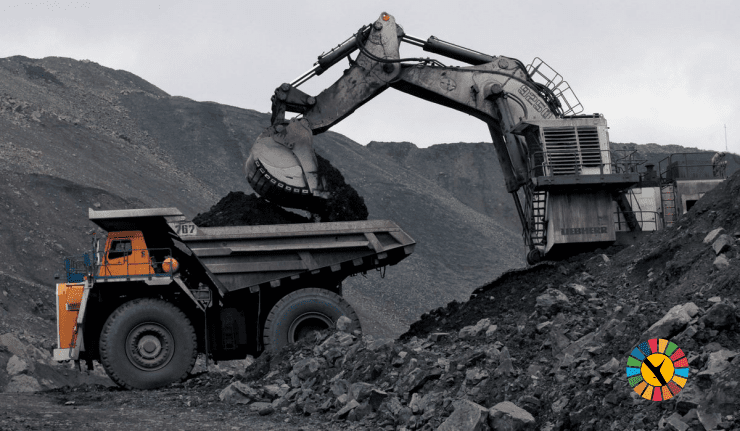
The most striking trend observed in the report is the dominance of thermal coal in this export surge. As hydroelectric output slumped due to reduced rainfall and reservoir levels, Türkiye turned to more stable sources of energy generation, especially for industrial and heating needs.
Thermal coal, used primarily for electricity production and high-heat industrial processes, became the primary substitute. According to NEFT Research, if the current trend continues, Russia’s total coal exports to Türkiye may reach 25 to 30 million tons by the end of 2025, setting a new annual record.
Why Türkiye? A Strategic and Economic Pivot for Russia
In recent years, Russia’s major coal markets have been concentrated in China, India, and Southeast Asia. However, falling coal prices and softening demand in those regions—especially in China—have hurt Russian mining companies’ profitability. With narrowing export margins, Russian exporters needed a new, high-volume, and price-stable market. Türkiye fit the criteria almost perfectly.
As Western sanctions and European restrictions limited Russian access to EU markets, Ankara emerged as a critical alternative. Türkiye’s geographical proximity, established rail infrastructure, and flexible trade policy allowed Russia to redirect substantial volumes toward the Turkish market.
Hydroelectric Woes and Cement Boom Drive Demand
The timing of this coal shift is no coincidence. In 2025, Türkiye’s hydroelectric output has declined significantly, partly due to climate-related water shortages and aging infrastructure. This has created a shortfall in national energy output that fossil fuels, including coal and natural gas, have begun to cover.
Simultaneously, Türkiye’s cement and construction sector is experiencing renewed strength, driven by both domestic demand and large-scale infrastructure projects. Cement production is an energy-intensive process that traditionally relies heavily on thermal coal. The sector’s appetite for affordable, high-heat fuels has helped push coal imports to record levels.
Railway Logistics Enable Efficiency
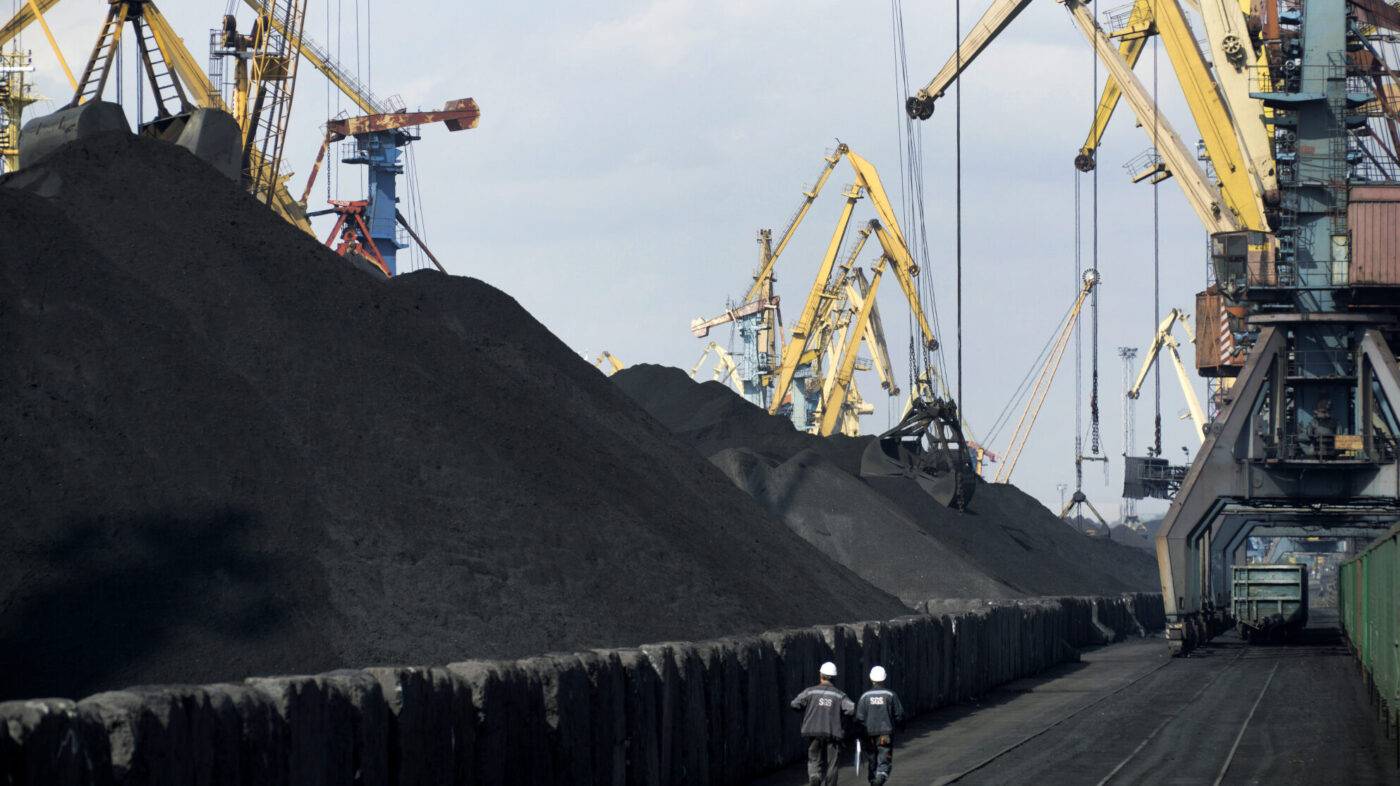
One of the notable details in the NEFT Research report is the method of delivery: railway transport. Russia’s robust rail connections through the Caucasus and via Black Sea-adjacent corridors allow for relatively cost-effective, high-volume shipments to Türkiye.
Rail delivery not only reduces freight costs compared to maritime transport but also enables faster, more predictable delivery schedules—important for Türkiye’s industries that operate on just-in-time inventory models.
The 1.89 million tons delivered in June via rail highlights the scalability of this logistics channel. Industry experts believe this method will become even more vital if total shipments approach the 30 million ton mark forecasted for year-end.
Coal Trade Within a Broader Geopolitical Framework
The growing coal trade between Russia and Türkiye cannot be viewed purely through an economic lens. It reflects the deepening economic and energy ties between the two nations amid shifting geopolitical alliances. While NATO-member Türkiye maintains a delicate balance between East and West, its increasing trade with Russia—especially in the energy and resource sectors—signals a pragmatic approach to securing affordable inputs for its economy.
From Russia’s perspective, Türkiye’s open market is a critical outlet amid ongoing international sanctions and embargoes stemming from the war in Ukraine. Diversifying away from over-reliance on Asian markets not only stabilizes export earnings but also adds a layer of diplomatic leverage.
Environmental Concerns and Public Discourse
Despite the economic logic behind increased coal imports, environmental activists in Türkiye have raised red flags. Critics argue that the country’s growing dependence on coal—especially imported coal—runs counter to its climate goals and obligations under international agreements.
The coal surge comes at a time when global institutions are pushing for decarbonization. Türkiye’s increased use of coal for electricity and industry may place pressure on its 2053 Net Zero Emissions targets. Environmental organizations are calling for more transparency in government energy policy and a renewed commitment to renewable alternatives.
Forecast and Industry Implications
If NEFT Research’s projections materialize, Türkiye will likely become one of Russia’s top three coal importers by the end of 2025. This would mark a major shift in Türkiye’s energy import portfolio, potentially displacing traditional suppliers such as Colombia and South Africa in the thermal coal space.
At the same time, Russian coal producers are expected to scale up operations specifically for the Turkish market. Price negotiations, currency agreements, and possibly long-term bilateral energy contracts could follow.
Energy analysts also believe that other sectors—such as metallurgy and brick manufacturing—may begin sourcing more Russian coal due to favorable pricing and consistent quality.
Coal Dependency vs. Energy Security
Türkiye now faces a classic energy dilemma: prioritize immediate energy security and industrial competitiveness through affordable coal, or double down on green energy investments that may not fully bridge the short-term supply-demand gap.
This strategic choice will define not just the nature of Türkiye’s trade with Russia, but also its long-term energy architecture.