

Türkiye’s automotive industry continues to make impressive gains in global markets, particularly in the light commercial vehicle segment. According to data compiled by Anadolu Agency from the Uludağ Automotive Industry Exporters’ Association, exports of motor vehicles designed for goods transportation reached over 3.2 billion US dollars during the January to June 2025 period — a 12.56 percent increase compared to the same period last year.
This category now accounts for 16 percent of Türkiye’s total automotive exports, which amounted to 19.98 billion dollars in the first six months of the year.
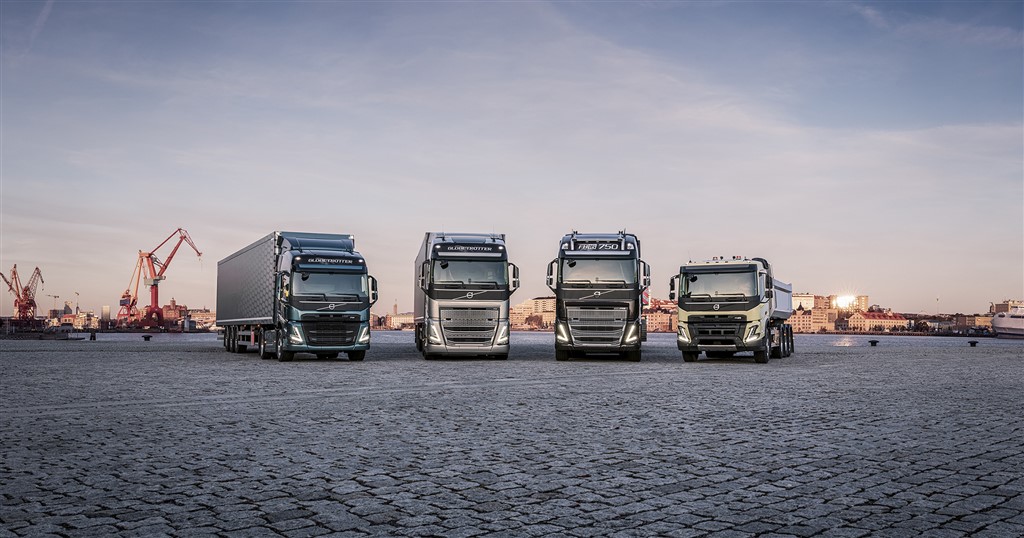
Türkiye Sends Commercial Vehicles to 74 Markets
From light trucks and vans to larger cargo vehicles, Türkiye exported this vehicle group to 74 countries and special economic zones across the globe during the first half of 2025. Demand remained particularly strong in Europe, while new markets also emerged in Africa, Central Asia, and Oceania.
United Kingdom Leads Despite Slight Drop
The United Kingdom remained the top destination for Turkish light commercial vehicle exports, although sales declined by 8 percent compared to last year. In the first half of 2025, Türkiye shipped 695.7 million dollars’ worth of vehicles to the UK, down from 758 million dollars in the same period of 2024.
Despite this decrease, the UK continues to be a critical export partner, reflecting the ongoing demand for Türkiye’s reliable and cost-efficient transport solutions in British logistics and delivery sectors.
Germany Records 5-Fold Surge in Turkish Imports
One of the most remarkable shifts in export performance came from Germany. Shipments to Europe’s largest economy rose by a staggering 407 percent, from 106.7 million dollars in the first half of 2024 to 541.8 million dollars in 2025. This surge has positioned Germany as the second-largest importer of Turkish commercial vehicles.
The increase reflects broader economic and trade ties between Türkiye and Germany, alongside a growing demand for electric or low-emission vans and trucks — a segment where Turkish manufacturers are investing heavily.
Slovenia and Spain Show Continued Momentum
Türkiye’s exports to Slovenia reached 375.9 million dollars, reflecting a 3 percent annual increase. Spain saw even stronger growth, with Turkish shipments rising by 254 percent to hit 337.9 million dollars — up from just over 95 million dollars a year earlier.
Analysts attribute this to Türkiye’s growing reputation as a production center for high-quality yet affordable commercial vehicles, as well as increasing demand for fleet renewal across southern Europe.
Mixed Results in Other Key European Markets
While some markets showed sharp growth, others recorded declines:
Italy: Down by 5 percent, from 347.2 million to 329 million dollars
France: Fell by 5 percent to 271.4 million dollars
Belgium: Saw a steep drop of 33 percent, totaling 182.1 million dollars
Market conditions, changing emission regulations, and domestic economic factors in these countries may have contributed to the declines, though Türkiye remains a key player in all three.
Austria’s Unprecedented Growth in Light Commercial Imports
One of the standout figures was Austria. In the first half of 2024, Türkiye exported just 148 thousand dollars’ worth of light commercial vehicles to Austria. That figure skyrocketed to 56 million dollars during the same period in 2025, indicating increased interest in Turkish-built vans and delivery vehicles.
This may reflect Austria’s effort to modernize its logistics sector or adapt to changing EU mobility standards, both of which align with Türkiye’s evolving manufacturing capabilities.
New Markets Emerging Across the Globe
Türkiye also expanded its automotive footprint in several new and previously inactive markets. Countries such as Uzbekistan, which did not import any Turkish light commercial vehicles in early 2024, received 12.5 million dollars’ worth of exports in 2025.
Similarly, Türkiye delivered vehicles to Egypt, Iceland, Panama, Estonia, Dubai, Argentina, Gabon, Senegal, South Korea, Guinea, Congo, Gibraltar, Finland, and Chad — showcasing the country’s widening reach in global vehicle trade.
Top 10 Destination Countries for Light Commercial Vehicle Exports (January–June 2025)
| Country | Export Value (USD) |
|---|---|
| United Kingdom | 695.7 million |
| Germany | 541.8 million |
| Slovenia | 375.9 million |
| Spain | 337.9 million |
| Italy | 329 million |
| France | 271.4 million |
| Belgium | 182.1 million |
| Austria | 56 million |
| Australia | 46.6 million |
| Romania | 40.6 million |
Türkiye’s Automotive Industry Sets New Standards
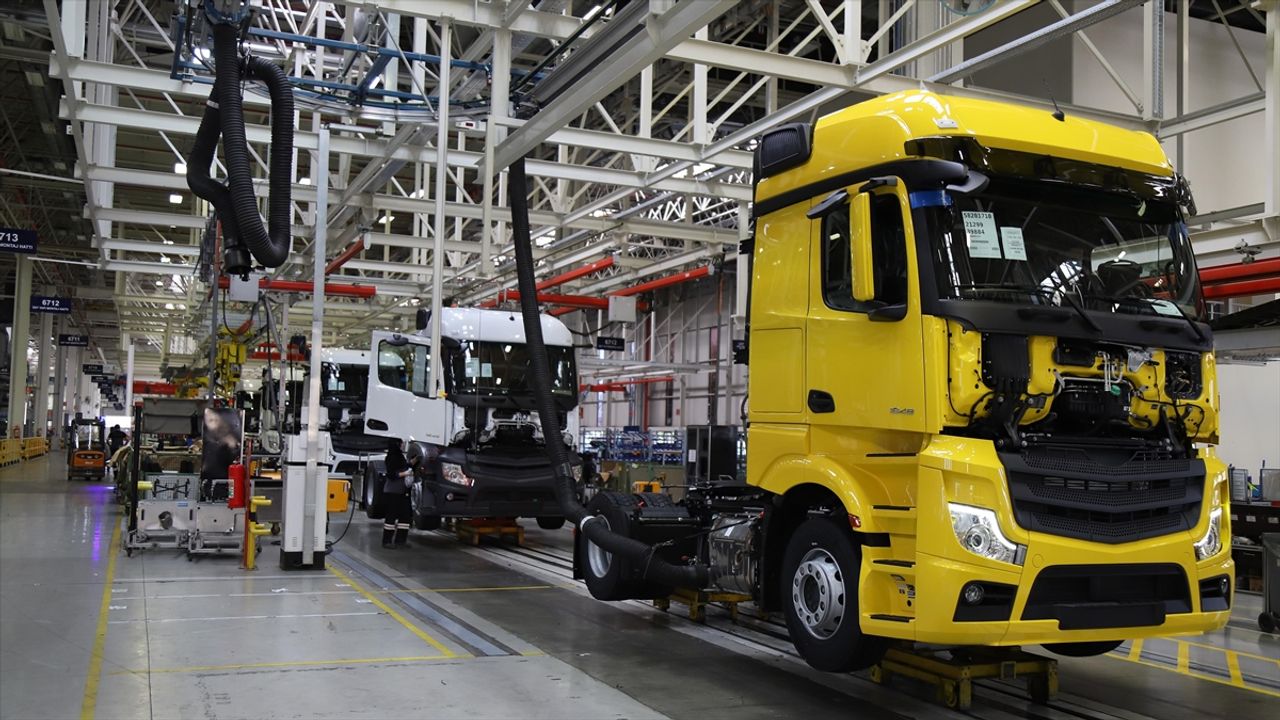
Türkiye’s success in the export of light commercial vehicles is no accident. The country has spent years investing in advanced automotive manufacturing, including facilities operated by Ford Otosan, TOFAŞ, and Karsan. These companies are producing modern, fuel-efficient, and increasingly electrified models that align with global trends.
Government incentives, R&D investment, and strategic partnerships with global brands have further strengthened Türkiye’s position in the international automotive landscape.
Conclusion Without a Label
Türkiye’s automotive exports, especially in the light commercial vehicle segment, continue to rise both in volume and geographical reach. With over 3.2 billion dollars in exports in just six months, the country’s vehicle manufacturers are proving their competitiveness on the world stage.
The growing diversity of export destinations and the significant increases in markets like Germany, Spain, and Austria highlight Türkiye’s adaptability, quality production standards, and commitment to innovation in transportation manufacturing.
As the second half of 2025 unfolds, Türkiye’s automotive industry is well-positioned to exceed expectations and solidify its role as a key global supplier of commercial vehicles.