
Türkiye’s expanding outreach to the African continent is beginning to yield strong economic results. According to recent data from the Türkiye Exporters Assembly (TİM), trade volume between Türkiye and African nations has continued to grow significantly in 2025, highlighting the continent’s increasing importance to Türkiye’s long-term export strategy.
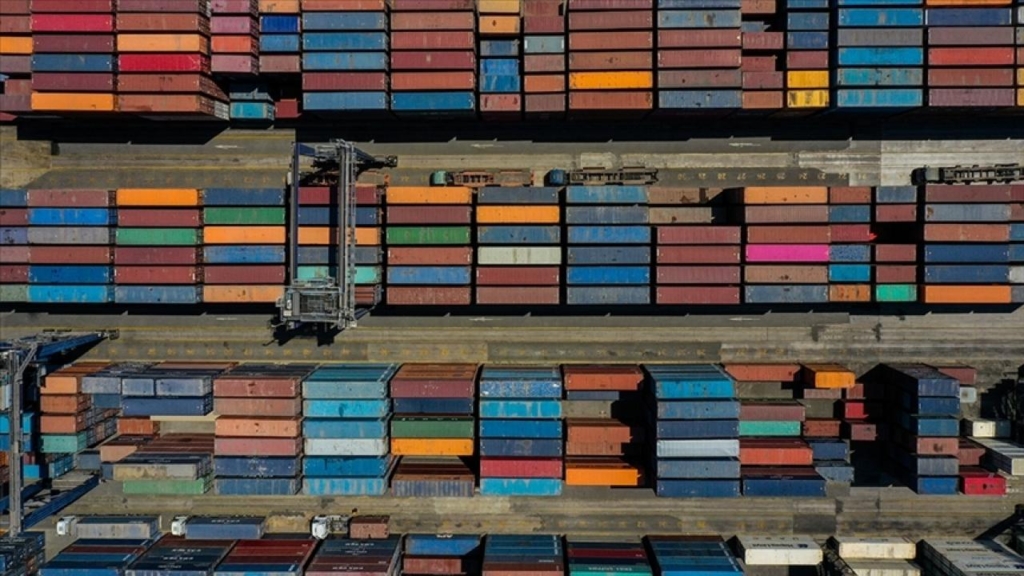
In the first half of the year, Türkiye’s total exports increased by 4.1 percent compared to the same period in 2024, reaching 131.4 billion US dollars. Among the standout performances in this export surge is Africa, where Türkiye’s shipments rose by 8.8 percent to reach nearly 9.9 billion dollars — up from 9.1 billion dollars in the first six months of the previous year.
Morocco Leads Among African Importers of Turkish Goods
Morocco remains Türkiye’s top trading partner in Africa for the January to June 2025 period, importing goods worth 1.8 billion dollars. Analysts point to a combination of geographical proximity and steadily strengthening diplomatic and economic ties between the two nations as key reasons for this success.
Following Morocco, the top importers of Turkish goods in Africa include:
Egypt with 1.6 billion dollars
Libya with 1.3 billion dollars
Tunisia with 554.1 million dollars
South Africa with 303.5 million dollars
Nigeria with 242.3 million dollars
Strong Growth in Specific Markets
In terms of year-on-year growth, Morocco again stood out with an increase of 345 million dollars in Turkish imports. Libya followed with a 262 million dollar rise, while the Democratic Republic of the Congo saw a 103 million dollar boost. Niger and Ghana also posted significant increases, with 91.5 million and 68.1 million dollars respectively.
These figures suggest not only growth in traditional markets but also Türkiye’s deepening engagement with sub-Saharan Africa — a region that has historically received less trade attention compared to North African states.
Chemicals Top the List in Sectoral Exports to Africa
When broken down by industry, Türkiye’s top export to African markets was in the chemicals and chemical products sector, totaling 1.3 billion dollars in the first half of 2025. This is followed closely by:
Grains, pulses, oilseeds, and related products at 1.2 billion dollars
Steel at 942.4 million dollars
Textiles and raw materials at 675.5 million dollars
Automotive products at 619 million dollars
Türkiye’s industrial and manufacturing sectors have positioned themselves as reliable suppliers in Africa’s rapidly growing markets, especially in infrastructure, food security, transportation, and textile value chains.
Least Demanded Turkish Products in Africa
While certain industries have flourished, others have yet to gain significant traction. The sectors that generated the lowest export revenue in the African market during this period include:
Ornamental plants and related products with only 214 thousand dollars
Olives and olive oil at 3.7 million dollars
Dried fruits and derivatives at 23.2 million dollars
These low figures may reflect limited consumer preference or insufficient promotion and distribution strategies for these niche products.
Türkiye’s Africa Strategy Begins to Bear Fruit
Türkiye’s trade expansion into Africa is part of a larger geopolitical and economic strategy aimed at diversifying export markets and reducing reliance on traditional European partners. Over the past decade, Türkiye has opened more than 40 embassies across the African continent and signed numerous bilateral trade and investment agreements.
This proactive diplomatic and commercial approach is now translating into measurable economic benefits. Africa offers a growing consumer base, abundant resources, and opportunities for industrial collaboration, particularly in areas such as construction, agriculture, pharmaceuticals, and energy infrastructure.
Why African Nations Are Turning to Turkish Products
Several factors contribute to the rising demand for Turkish goods across the continent:
Competitive pricing and flexible payment structures
High product quality, especially in machinery, construction materials, and textiles
Logistics advantages stemming from Türkiye’s well-developed maritime and air freight networks
Türkiye’s neutrality and non-colonial history in Africa, fostering trust in partnerships
Moreover, Türkiye’s diversified export basket appeals to countries seeking everything from household electronics and industrial equipment to food supplies and vehicles.
Impact of Regional Hubs and Free Trade Agreements
Türkiye’s growing involvement in regional African trade zones, such as the African Continental Free Trade Area (AfCFTA), further enhances its access to local markets. By establishing local partnerships and investing in distribution channels, Turkish companies are better positioned to serve multiple African countries from single regional hubs such as Casablanca, Nairobi, or Johannesburg.
Additionally, the role of Turkish contractors in major infrastructure projects across Africa has created strong brand visibility and goodwill, indirectly supporting export growth in related sectors like construction equipment and interior furnishings.
Looking Ahead – Sustainability and Localization
As Türkiye’s exports to Africa grow, industry experts stress the importance of sustainable and localized approaches. Future success will depend on more than just price competitiveness. Long-term growth will require:
Building local production or assembly facilities
Training African workforces and transferring technology
Offering after-sales services and maintenance support
Developing ESG-compliant trade practices
Turkish companies are beginning to respond by exploring joint ventures with African partners, engaging in community development, and adapting product offerings to local preferences and environmental conditions.
Conclusion Without a Label
Türkiye’s export performance in Africa during the first half of 2025 marks a new chapter in the evolving economic relationship between the two regions. With nearly 10 billion dollars in trade and strong momentum across multiple sectors, Türkiye is positioning itself as a trusted and long-term trade partner on the continent.
By combining strategic diplomacy, industrial strength, and market adaptability, Türkiye continues to unlock opportunities across Africa — opportunities that promise mutual benefit, resilience, and sustainable growth for years to come.