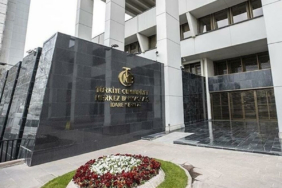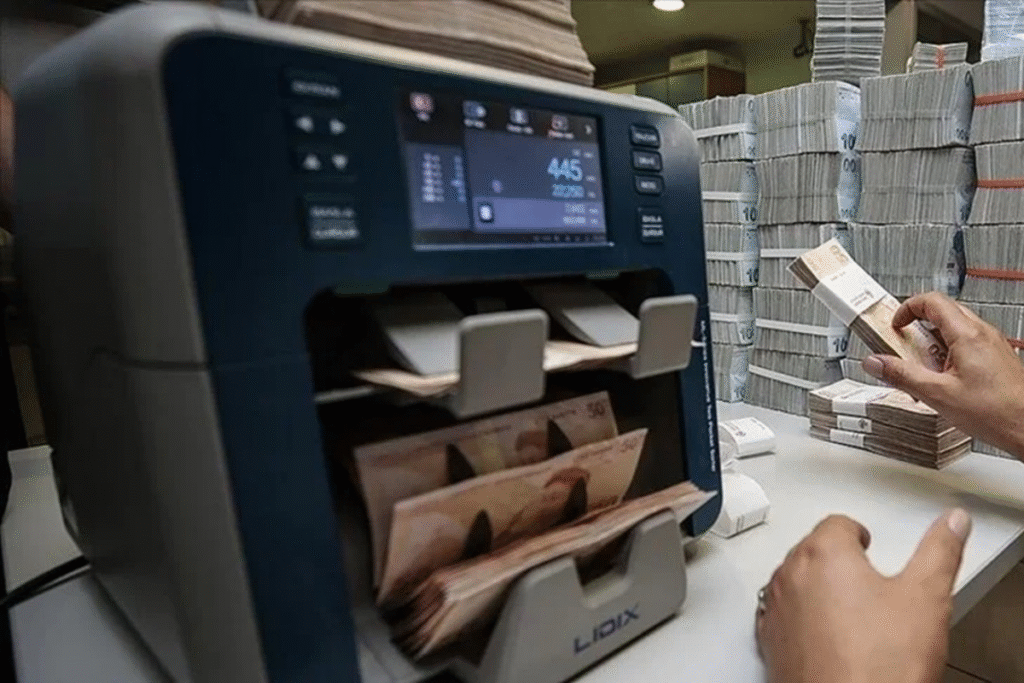

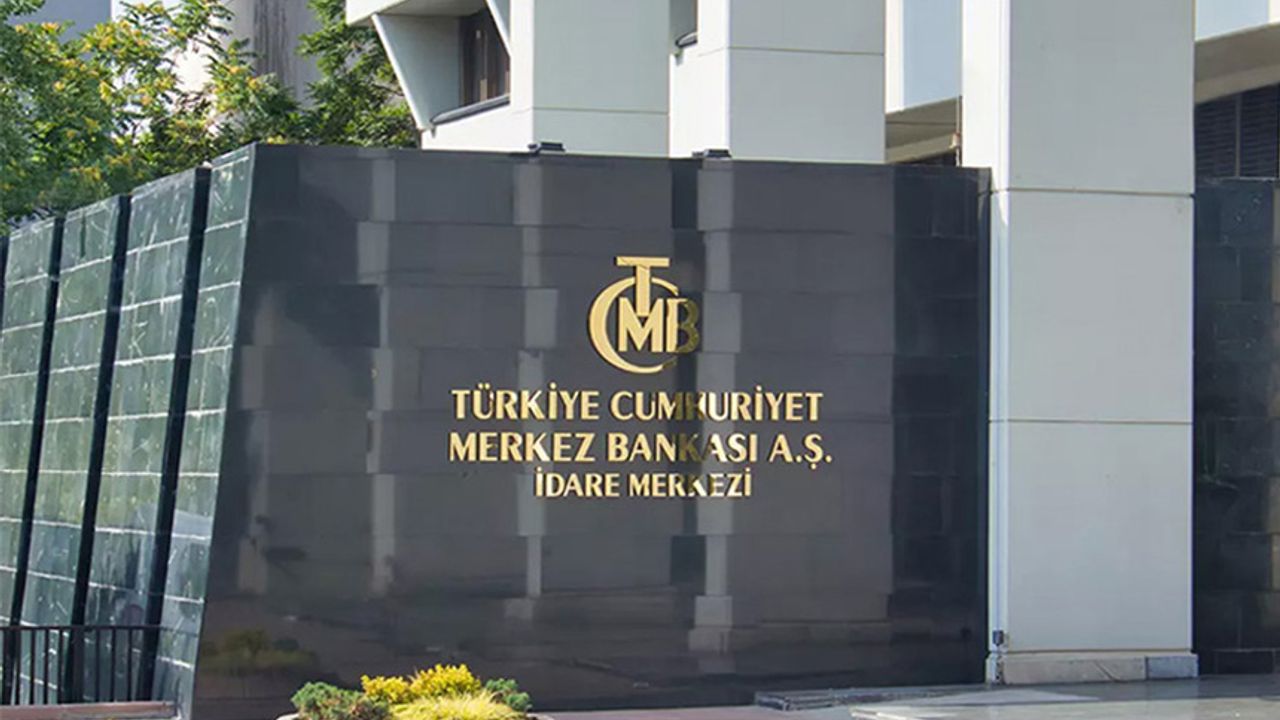
The Central Bank of the Republic of Turkey (TCMB) has released its latest weekly money and banking statistics, offering a snapshot of the country’s financial sector as of the week ending August 29, 2025. The data reveals a rise in total deposits, shifting dynamics between Turkish lira and foreign currency holdings, and a significant increase in consumer loans that reflects both the challenges and behavioral trends of households under persistent inflationary pressure.
Deposits Continue to Grow Despite Currency Volatility
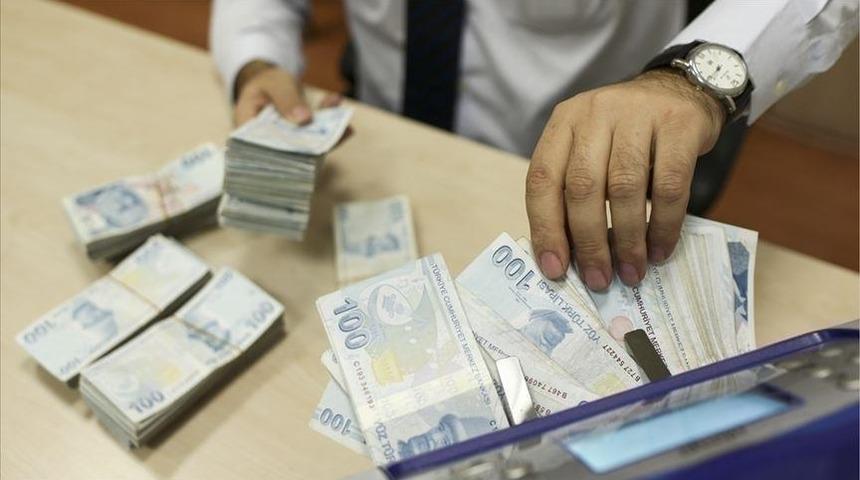
According to the TCMB report, the total deposits within Turkey’s banking system rose by approximately 82.2 billion TL during the week, increasing from 25.026 trillion TL to 25.108 trillion TL.
Breaking down the figures shows divergent trends:
Lira-based deposits climbed by 1.2% to reach 14.03 trillion TL.
Foreign currency deposits declined by 1.1%, standing at 7.91 trillion TL.
This adjustment in portfolios suggests a subtle shift back toward lira deposits, possibly influenced by higher interest rates offered by banks to retain confidence in the local currency. However, foreign exchange deposits remain significant, demonstrating that many savers continue to hedge against the risks of lira depreciation.
Foreign Currency Holdings of Residents
The report indicated that the total foreign exchange deposits within the banking system were valued at 231.5 billion USD during the week. Of this amount, 193.3 billion USD belonged to domestic residents. Adjusted for exchange rate fluctuations, residents’ foreign currency holdings decreased by approximately 4.05 billion USD, suggesting that some depositors either liquidated part of their holdings or shifted assets into lira instruments in response to market conditions.
While this reduction may appear modest, it is noteworthy given Turkey’s history of dollarization, where savers often flee to foreign currencies in times of economic turbulence. Analysts caution, however, that one week’s decline does not necessarily indicate a long-term trend, as broader trust in the lira will depend on consistent monetary and fiscal policy.
Consumer Credit on the Rise
Perhaps the most striking development in the latest data is the surge in consumer credit. Domestic residents’ consumer loans rose by 2% during the week, reaching 4.94 trillion TL. The composition of these loans sheds light on household financial behavior:
Housing loans: 608.2 billion TL
Vehicle loans: 53.3 billion TL
Personal (needs-based) loans: 1.84 trillion TL
Individual credit card debt: 2.44 trillion TL
The sharp expansion in credit card usage, now accounting for nearly half of consumer debt, illustrates the growing reliance on short-term borrowing to cope with rising living costs. With annual inflation rates still elevated, households increasingly turn to credit to sustain daily consumption, even as real purchasing power declines.
Credit Volume Expands Across the Economy
The banking sector’s total credit volume, including loans provided by the TCMB itself, also grew significantly. For the week ending August 29, total loans rose by 230.8 billion TL, reaching 19.96 trillion TL. This expansion suggests both continued credit demand from households and businesses, as well as the willingness of banks to provide financing despite macroeconomic risks.
Implications of Rising Loans and Deposits
The combined picture reveals a dual dynamic in Turkey’s economy:
Deposit growth shows that liquidity within the banking system is robust, partly reflecting inflationary effects on nominal values.
Credit growth, particularly in consumer lending, points to structural vulnerabilities, as households increasingly rely on borrowing to maintain living standards.
Economic analysts warn that while rising credit volumes may support short-term consumption and GDP growth, they also increase risks of over-leverage, especially if interest rates rise further or if inflation remains sticky.
Income Inequality and Household Pressures
This credit expansion cannot be viewed in isolation. Broader economic studies indicate that wealth accumulation in Turkey remains concentrated among higher-income groups, while lower- and middle-income households bear the brunt of inflation. With savings rates below OECD averages and limited disposable income, many families rely on debt as a financial lifeline.
The heavy concentration of credit card debt in the overall consumer credit structure illustrates this point vividly. Unlike housing or vehicle loans, which are tied to tangible assets, credit card borrowing often covers daily expenses—food, utilities and healthcare. This reliance underscores the precarious situation of many households and raises concerns about repayment capacity if economic conditions tighten further.
Foreign Exchange Dynamics and Policy Challenges
The decline in foreign exchange deposits, while small, will be closely monitored by policymakers. A sustained shift away from dollarization would indicate growing confidence in the lira, something Turkish authorities have long sought. However, the persistence of nearly 8 trillion TL in foreign currency holdings suggests that deep-rooted caution remains among savers.
Restoring full confidence in the lira will require not only monetary stability but also credible policies aimed at reducing inflation and improving long-term economic fundamentals. Until then, dollarization will remain an embedded feature of Turkey’s financial landscape.
Editorial Note
The latest banking statistics underscore the complexity of Turkey’s economic moment. On the surface, deposits and credit volumes are rising, reflecting both resilience and adaptability. Yet beneath these numbers lie structural challenges: a reliance on debt-fueled consumption, persistent inflation and the fragility of household finances.
The contrast between growing deposits and surging consumer loans illustrates two sides of the same coin—while banks record higher liquidity, ordinary citizens increasingly depend on borrowing to make ends meet. Unless inflation is brought under control and sustainable income growth is achieved, the widening gap between nominal figures and real economic well-being will remain a defining feature of Turkey’s economy.