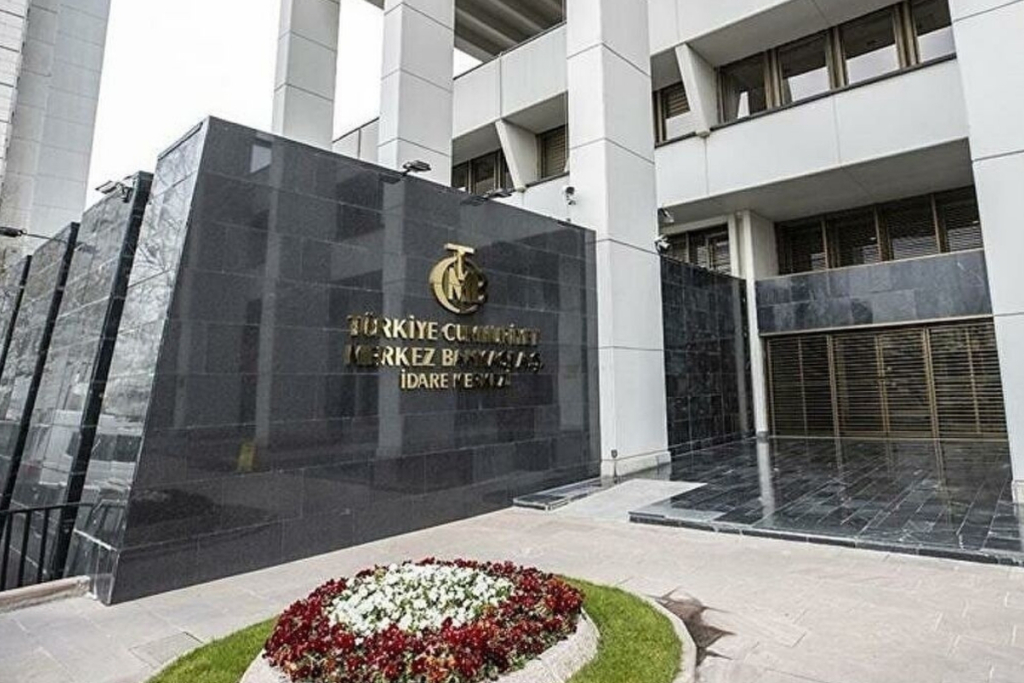

Türkiye’s Central Bank has officially concluded its transition out of the controversial FX-protected deposit scheme known as Kur Korumalı Mevduat (KKM), signaling a major shift in the country’s monetary and macroprudential policy strategy. The detailed exit analysis, published on the Bank’s official blog Merkezin Güncesi, was authored by experts from several departments within the Central Bank of Türkiye (TCMB), offering insights into the rationale, timing, and instruments used to wind down the program.
Implemented in late 2021, KKM was designed as a temporary measure to protect Turkish lira depositors from exchange rate volatility. Over time, however, it evolved into a central component of the country’s financial stability architecture. As of August 2025, the program is effectively terminated for individual account holders—a landmark development in Türkiye’s shift toward tighter monetary orthodoxy.
A Two-Year Gradual Exit Culminates in 2025
According to the TCMB’s report, the KKM exit strategy was phased and deliberate, utilizing a multi-layered macroprudential toolkit. This included adjustments to required reserve (ZK) ratios, differentiated interest payments on reserve holdings, and revisions to the minimum interest rate for KKM accounts. In addition, the tax advantage (stopaj) that initially boosted KKM’s popularity was gradually removed.
The exit process officially concluded in 2025, with the Central Bank no longer permitting new account openings or renewals for individuals. This decision was based on a combination of improving macroeconomic indicators, increased Turkish lira deposit attractiveness, and reduced exchange rate pressure.
From $140 Billion to $11 Billion in Two Years
One of the most telling metrics of success in this policy pivot is the dramatic decline in total KKM balances. In mid-2023, KKM holdings had peaked above $140 billion. As of August 21, 2025, that figure had dropped to just $11 billion—a 92% reduction.
This contraction was made possible not only by regulatory disincentives but also by shifting market dynamics. As real interest rates turned positive under the Central Bank’s tightened monetary stance, Turkish lira deposits became more attractive to households and businesses alike.
Key Instruments Driving the Exit Strategy
The analysis highlights two macroprudential instruments as pivotal to the transition:
The spread between the required reserve ratios applied to KKM and traditional Turkish lira deposits
The interest rates paid on these required reserves
By adjusting these tools, the Central Bank altered the relative cost of holding KKM funds for commercial banks. In parallel, banks were increasingly incentivized to promote standard lira-denominated deposits.
Another key element was the progressive lowering of minimum interest rates applicable to KKM accounts. This reduced the yield advantage that had previously attracted lira-to-KKM conversions, leveling the playing field for regular term deposits.
A Recalibrated Financial Ecosystem
The macro effects of the KKM withdrawal are already visible across the Turkish financial system. As of August 19, 2025, KKM’s share of total deposits had fallen to 1.8%, while Turkish lira deposits had surpassed the 60% threshold. The Central Bank noted that the maturity structure of remaining KKM accounts suggests that further declines are imminent, effectively sealing the program’s fate.
This rebalancing also enhances the transmission of monetary policy. With fewer KKM accounts acting as buffers against interest rate changes, policy decisions are more directly reflected in deposit and lending rates, improving the Central Bank’s control over domestic liquidity and inflation expectations.
Inflation Moderation Supports Policy Transition
Supporting the exit process has been a noticeable decline in Türkiye’s core inflation trend. As inflationary pressures began to subside in 2025, confidence in Turkish lira assets increased, facilitating the migration away from foreign exchange-linked products.
The Central Bank’s commitment to a tight monetary stance—characterized by elevated policy rates and liquidity discipline—further bolstered trust in the domestic currency. This trust translated into renewed investor interest in lira instruments, reinforcing the exit momentum.
Commercial Banks Pivot Toward Lira-Based Funding
The exit from KKM also forced a recalibration within the banking sector. In the absence of FX-protected accounts, banks adjusted their funding strategies by leaning more heavily on conventional lira deposits. Regulatory fine-tuning ensured that the shift was not disruptive, balancing the cost of funding across different deposit instruments.
By ensuring that lira-based deposits were more attractive from a compliance and profitability standpoint, TCMB gradually steered financial institutions toward a more sustainable funding model.

Why This Exit Matters for Türkiye’s Monetary Future
The termination of KKM is not merely an operational milestone—it reflects a broader ideological shift in Türkiye’s economic policy. Moving away from artificial stabilizers like KKM signals a preference for market discipline, price stability, and central bank independence.
Moreover, it reduces contingent liabilities on the Central Bank’s balance sheet, which previously had to cover the difference between FX rates and lira interest payments in KKM accounts. This cleanup contributes to financial transparency and enhances the credibility of monetary policy.
Remaining Risks and Policy Vigilance
Despite the positive outlook, analysts caution that the transition must remain under watch. Although the lira has appreciated in real terms and deposit dollarization has declined, external factors such as geopolitical tensions and commodity price shocks could still reignite volatility.
Therefore, the Central Bank’s macroprudential framework must remain flexible and proactive, ready to recalibrate should the need arise. The post-KKM era introduces a more traditional monetary regime—but one that will still require careful navigation in a global environment of uncertainty.
A Historic Pivot in Türkiye’s Economic Management
The end of the FX-protected deposit era marks a decisive moment in Türkiye’s journey toward financial normalization. What began as an emergency buffer against currency depreciation has now been retired in favor of a more orthodox and transparent approach to monetary governance.
As the last of the KKM accounts reach maturity and policy tools refocus on supporting sustainable lira-based finance, Türkiye’s financial system stands at the threshold of a new chapter—one built on trust, discipline, and resilience.