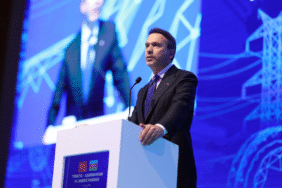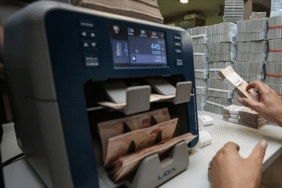

Understanding the balance of trade is essential for interpreting a country’s economic health. The term “trade deficit” often emerges in financial news, especially in economies like Türkiye where external trade dynamics play a critical role. But what exactly is a trade deficit, how does it form, and why does it matter? In this article, we explore these questions through an accessible economic lens, supported by insights from financial expert Dr. Hakan Özerol.
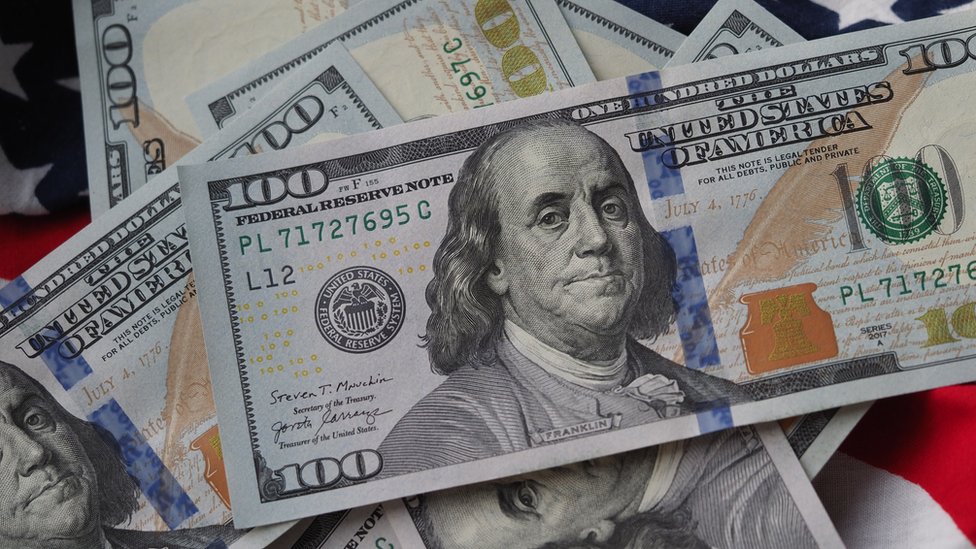
Defining the Trade Balance
Before diving into the trade deficit itself, it’s important to define the broader concept of the trade balance. The trade balance represents the difference between a country’s exports and imports of goods and services. In simple terms, it compares the value of what a country sells to the world with what it buys from the world.
If exports equal imports, the trade balance is considered neutral. This means that the inflow and outflow of foreign currency are in harmony. Economically, this equilibrium suggests that the country’s production and consumption cycles are operating efficiently and sustainably.
When Exports Surpass Imports
If a country exports more than it imports, this is known as a trade surplus. Trade surpluses are generally seen as favorable because they result in an inflow of foreign currency. This can strengthen the local currency, increase national savings, and boost domestic employment in export-oriented industries.
Many economically strong countries, such as Germany and China, often aim for a trade surplus as part of their long-term economic strategies. A surplus indicates that the country is a net producer, not a net consumer.
Understanding the Trade Deficit
Conversely, when a country imports more than it exports, it runs a trade deficit. This means that more money is flowing out of the country to purchase foreign goods and services than is coming in through exports.
For Türkiye, trade deficits are a common occurrence, particularly because the country heavily depends on imports for energy and industrial raw materials. This structural reliance puts pressure on the trade balance and increases vulnerability to external economic shocks.
Why Trade Deficits Occur
Several factors can lead to a trade deficit. One of the most prominent is dependency on imported essential goods, especially energy. Türkiye, for example, lacks sufficient domestic oil and natural gas resources, which necessitates large-scale energy imports. This automatically increases the import bill and contributes to a chronic trade imbalance.
Other contributing factors include:
A strong domestic currency making imports cheaper
A weak export sector due to low industrial output or lack of global competitiveness
High consumer demand for foreign products
Limited innovation or technology production capacity
Economic policies that favor consumption over production
The Short-Term Illusion of Affordability
In the short term, a trade deficit might appear beneficial. Imported products, especially consumer goods, can be cheaper and more abundant than their domestic counterparts. This can create a sense of affordability and accessibility, improving consumer satisfaction.
However, this short-term gain can mask long-term damage. A persistent influx of cheaper imported goods can weaken domestic industries, reduce local production, and increase unemployment. As consumers grow accustomed to imports, local producers may struggle to compete, leading to factory closures and reduced investments.
Why Long-Term Trade Deficits Are Risky
A temporary trade deficit can be manageable and may reflect normal business cycles or investment-driven imports. But when deficits become long-term and structural, they pose serious economic threats.
Chronic trade deficits can lead to:
Depletion of foreign currency reserves
Rising external debt
Increased dependence on foreign financing
Weakening of the national currency
Vulnerability to global economic fluctuations
For Türkiye, this scenario is especially concerning. A long-standing trade deficit often requires the country to borrow in foreign currencies or rely on hot money inflows, which are speculative and volatile.
Strategic Sectors and the Cost of Dependency
One of the most dangerous aspects of a trade deficit is when it affects strategic sectors such as energy, agriculture, and high-tech manufacturing. If a country becomes dependent on external sources for its basic needs, it sacrifices economic sovereignty.
This dependency can even limit policy flexibility. A country that must import fuel or technology cannot freely set tariffs, adjust taxes, or regulate trade without risking retaliation or market instability.
Türkiye’s energy dependency is a perfect example. Without domestic production capacity, global oil and gas price increases directly affect the country’s inflation, budget balance, and exchange rates.
The Role of Domestic Production
To reduce trade deficits, countries must boost their domestic production capabilities. This includes investing in renewable energy, local manufacturing, and technological innovation. Encouraging domestic production not only reduces imports but also creates jobs, strengthens industrial resilience, and promotes economic independence.
In Türkiye’s case, state-supported efforts to increase local production in fields like solar energy, electric vehicles, and agricultural machinery are promising steps toward balancing trade. However, these initiatives must be sustained and scaled to make a meaningful impact.
Why Trade Balance Reflects Economic Health
The trade balance is more than a line item on a government report. It reflects how well an economy is functioning in terms of production, innovation, and competitiveness. A stable trade balance usually indicates a healthy economy with well-balanced supply and demand.
When trade imbalances grow too wide, they expose underlying weaknesses. These may include low productivity, excessive consumption, or underinvestment in infrastructure and education. Addressing these issues requires long-term strategic planning and public-private collaboration.
Dr. Hakan Özerol’s Insights
Financial expert Dr. Hakan Özerol emphasizes that trade deficits are not merely technical indicators but signs of deeper economic trends. According to him, external trade should be seen as both a mirror and a motor of national development.
Özerol stresses that while short-term trade deficits can be tolerated—especially in times of strategic investment—they should never become routine. A country that consistently imports more than it exports risks becoming detached from production and too reliant on external credit.
He also highlights the importance of integrating exporters into modern processes such as R&D, digitalization, and green transformation. Without adaptation, traditional industries will struggle to compete globally and continue to fuel the deficit.
Conclusion
A trade deficit is more than an economic statistic. It is a reflection of how a country consumes, produces, and positions itself in the global economy. For Türkiye, managing the trade balance is vital to ensuring long-term financial stability, economic independence, and industrial strength.
Addressing this issue requires more than temporary fixes. It demands a national commitment to innovation, energy diversification, and strategic sector development. Only by restoring the balance between what is bought and what is produced can Türkiye hope to chart a sustainable path forward.