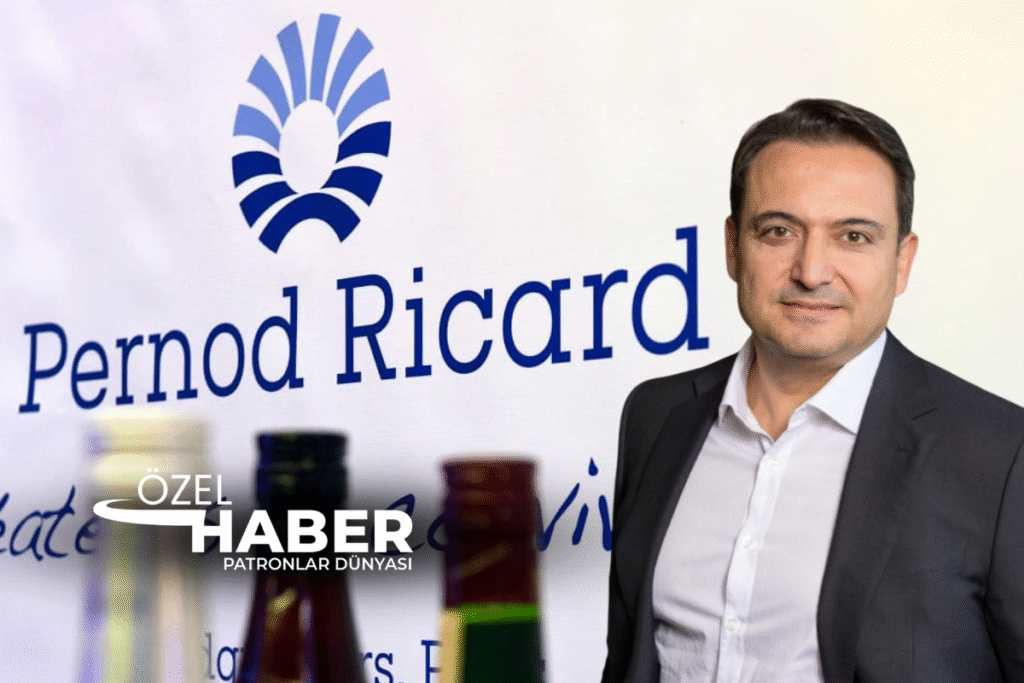

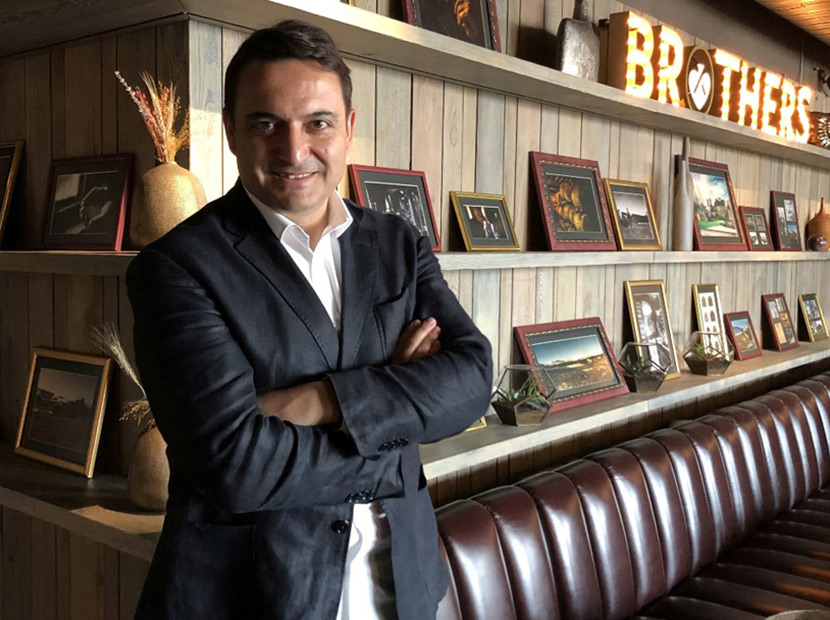
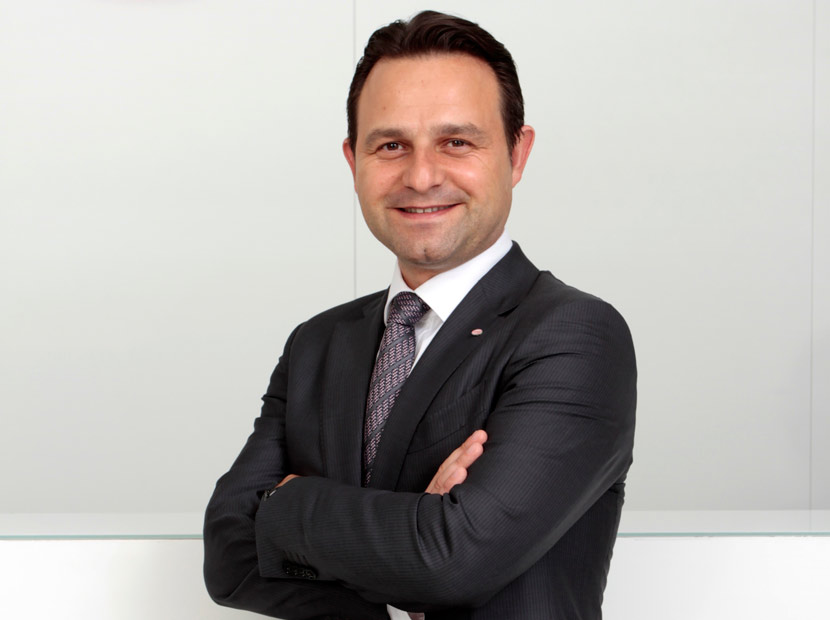
Global spirits company Pernod Ricard has appointed Turkish executive Fadıl Taşgın as the new CEO of its operations in South Korea, marking a milestone for Turkish leadership on the international corporate stage. Previously serving as the company’s head in the Philippines and Indonesia, Taşgın is now taking the reins from outgoing CEO Franz Horton.
A graduate of Middle East Technical University (ODTÜ) and a veteran at Pernod Ricard since 2012, Taşgın’s promotion signals not only a strategic leadership transition but also a cultural shift for the company in a region marked by both high market stakes and labor unrest.
Leadership Change Captures Media Attention in South Korea
The change at the helm has not gone unnoticed in South Korea’s business and labor communities. Local media reports have spotlighted allegations surrounding former CEO Franz Horton, including claims of unfair labor practices that have triggered a formal investigation.
According to South Korean sources, Horton is allegedly seeking to leave the country amid the probe, while labor unions have reportedly called for a ban on his overseas travel until the legal process is completed. The controversy echoes a similar situation involving the company’s previous CEO, who also stepped down following labor-related accusations.
These developments have brought increased scrutiny to the company’s management style and labor relations in a market that is both highly competitive and highly regulated.
Korean Spirits Market Remains Crucial Despite Decline
Despite recent challenges, Pernod Ricard maintains a significant presence in South Korea’s spirits industry. In the fiscal year spanning 2022 to 2023, the company posted sales totaling 185.3 billion Korean won—equivalent to approximately 5.5 billion Turkish lira.
However, financial reports for 2023 to 2024 reveal a 5.5 percent decline in year-over-year sales, reflecting both market saturation and increasing competition. The drop has led to heightened expectations for the new CEO to deliver strategic innovation and operational stability.
Fadıl Taşgın’s International Experience Brings Fresh Perspective
With more than a decade at Pernod Ricard and a track record of success in diverse Southeast Asian markets, Taşgın is uniquely positioned to steer the Korean branch through its current complexities. His leadership in the Philippines and Indonesia was marked by adaptive market strategies, brand localization, and team cohesion—skills that will be crucial in a sensitive labor and market environment like Korea.
Taşgın’s elevation also represents a broader recognition of Turkish talent in global business leadership. His rise through the ranks of a multinational headquartered in France is emblematic of shifting corporate dynamics, where merit and multicultural competency are increasingly valued.
A Leadership Challenge Wrapped in Legal and Cultural Complexity
While Taşgın steps into his new role with an impressive résumé, he inherits a challenging landscape. The unresolved legal concerns surrounding Horton’s departure, the strained relationship with unions, and the recent downturn in sales will require a deft balancing of internal diplomacy and external market strategy.
Navigating these waters will test Taşgın’s ability to lead with transparency and cultural sensitivity. South Korea’s labor market, known for its strong union presence and public accountability, demands high ethical standards and responsiveness from corporate leadership.
The Strategic Importance of South Korea in the Asia-Pacific Region
Pernod Ricard’s investment in South Korea is not just about immediate sales. The country serves as a bellwether for consumer trends across the Asia-Pacific region. Korean consumers are early adopters and highly brand-conscious, making the market a crucial proving ground for global strategies.
Under Taşgın’s leadership, Pernod Ricard will aim not only to stabilize its operations but also to reignite brand loyalty, possibly through new product lines, cultural campaigns, or sustainability initiatives tailored to Korean sensibilities.
Broader Implications for Global Corporate Governance
The circumstances surrounding Horton’s exit also underscore a growing emphasis on ethical leadership in global business. As multinationals expand into new markets, expectations around fair labor practices and accountability are rising—not just from governments, but also from consumers and advocacy groups.
Taşgın’s appointment thus serves a dual purpose: stabilizing a troubled branch and reinforcing the company’s commitment to values-driven governance. His success—or failure—could set a precedent for how Pernod Ricard handles future leadership transitions in complex international environments.
A New Chapter for Pernod Ricard Korea and Turkish Executive Presence Abroad
Fadıl Taşgın’s new role is a source of pride for Türkiye’s business community and a sign of changing tides in global leadership. His presence at the helm of a major multinational’s Korean operations affirms the international standing of Turkish professionals in high-stakes executive roles.
As he steps into one of the company’s most scrutinized and strategically significant markets, all eyes will be on how he leverages his experience, navigates cultural nuance, and reestablishes trust within the organization and among its stakeholders.
This moment also reflects a broader narrative—one in which leadership is no longer bounded by geography, and where executives like Taşgın redefine the global business landscape through vision, resilience, and cross-cultural acumen.