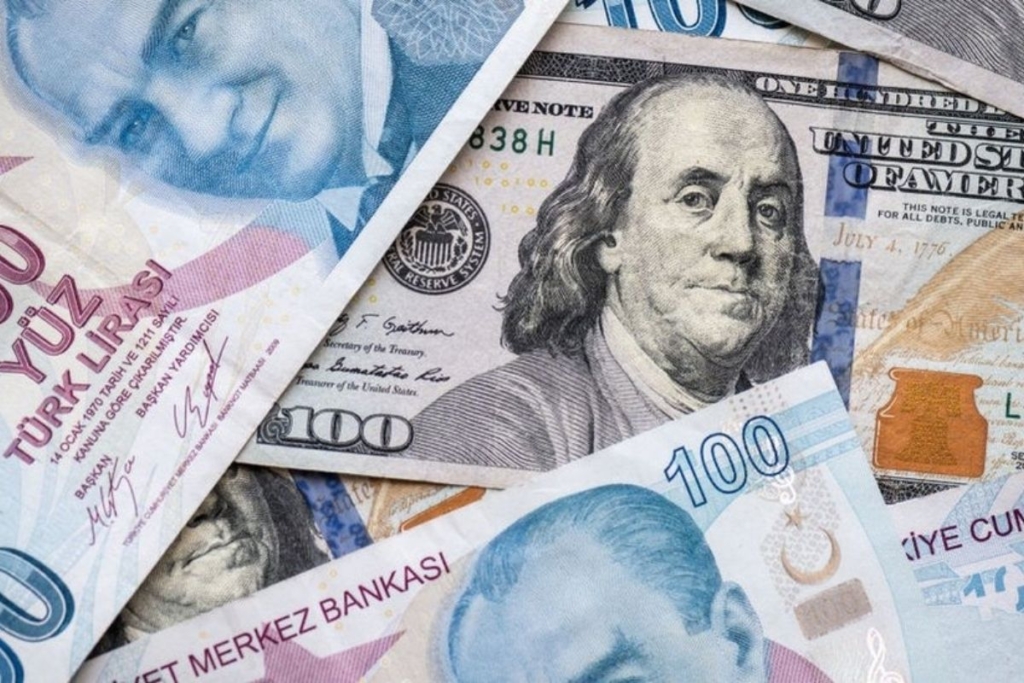

The Turkish lira’s recent slide against the US dollar has accelerated, prompting market participants to closely watch the potential response of the Central Bank of the Republic of Türkiye (TCMB) and any shifts in monetary policy stance. According to ING’s latest report, the USD/TRY exchange rate is showing a mildly bullish trajectory, with projections suggesting further weakening of the lira over the next year.
Gradual Depreciation Forecast
As of the latest spot rate, the dollar trades at 40.64 lira. ING forecasts the currency pair to reach 41.70 in one month, 43.60 in three months, 45.90 in six months, and 50.25 within a year. This outlook points to a measured yet persistent depreciation of the Turkish currency through 2025.
Over the past three months, the lira has been losing value at an average rate of 1.8 percent per month against the dollar, highlighting a quicker pace of decline compared to earlier periods. In the broader currency basket, the lira’s depreciation was even more pronounced—2.9 percent in June and 2.6 percent in July—underscoring continued pressure from both domestic and external factors.
Reel Effective Exchange Rate Signals Lower Competitiveness
ING’s analysis notes that the lira’s weakening has pushed Türkiye’s CPI-based real effective exchange rate (REER) down from above 75 in January 2025 to 69.4 as of July. While a lower REER can enhance export competitiveness, it also reflects diminished purchasing power in international markets.
The report highlights that this movement aligns with trends in Türkiye’s competitiveness, yet it also poses challenges for maintaining price stability, particularly in an economy still navigating high inflation.
Interest Rate Policy at the Core of the Outlook
While ING acknowledges the possibility that the TCMB could accelerate interest rate cuts, such a move would likely increase pressure on the lira. However, the bank points out that relatively high real interest rates and ongoing de-dollarisation trends—where market participants shift away from holding foreign currency deposits—could provide some support to the lira in the medium term.
The continuation of this de-dollarisation process is seen as a critical factor in maintaining currency stability, particularly given the delicate balance between supporting economic growth and safeguarding price stability.
Risks to the Disinflation Strategy
ING warns that if the TCMB allows the lira to weaken too quickly, it could undermine Türkiye’s disinflation efforts and potentially trigger a return to dollarisation. Such a scenario could erode confidence in the local currency, increase import-driven inflation, and complicate broader economic policy goals.
For this reason, ING expects the central bank to be ready to manage potential exchange rate pressures that may arise from faster-than-expected interest rate cuts in the coming months. This could include a mix of policy interventions, liquidity management measures, and targeted communication strategies aimed at calming markets.
A Balancing Act for the Central Bank
The months ahead present a delicate challenge for the TCMB: striking a balance between easing monetary conditions to support growth and maintaining sufficient interest rate differentials to keep the lira attractive to investors.
While ING’s baseline scenario points to a steady depreciation of the lira, the pace and extent of this decline will hinge on the interplay between domestic policy decisions, global market dynamics, and investor sentiment. Any significant shifts in inflation expectations, geopolitical developments, or global interest rate trends could alter the trajectory.
Market Implications
For exporters, a weaker lira could enhance competitiveness in international markets, potentially boosting Türkiye’s trade performance. However, importers and companies with foreign currency-denominated debt face increased costs, which could weigh on profit margins and investment plans.
Investors will be watching closely for signs of policy shifts from the TCMB, as well as updates on inflation and economic growth indicators. The balance between maintaining economic momentum and avoiding a destabilising currency slide will remain central to Türkiye’s economic narrative throughout 2025.