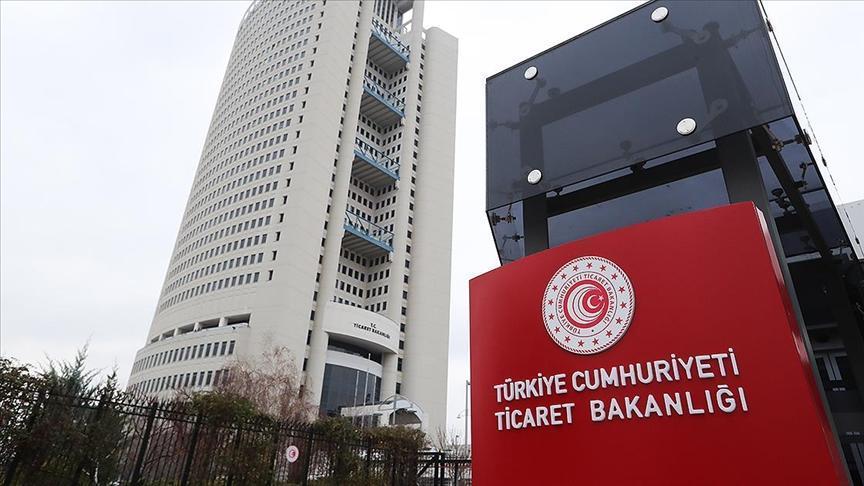

Türkiye’s Ministry of Trade has announced significant enforcement action against deceptive and misleading advertising practices, underscoring its commitment to safeguarding consumers and ensuring fair competition across multiple industries. The Ministry’s Advertising Board (Reklam Kurulu) convened for its 359th meeting in July, during which it reviewed 134 cases spanning sectors from health products to digital marketing.

Widespread Violations Across Multiple Sectors
According to the Ministry’s statement, the July session examined advertising and commercial practices in the following areas:
Health products and dietary supplements
Real estate listings
Tourism promotions
Telecommunications and financial services
Social media influencers and digital content campaigns
Of the 134 cases reviewed, 122 were found to be in violation of existing advertising and consumer protection laws. These violations included exaggerated health claims, misleading price information, non-compliant influencer promotions, and false or incomplete details in property advertisements.
The Board imposed durdurma (cessation) orders on the offending campaigns and levied a total of 15,733,665 TL in administrative fines. Additionally, three cases resulted in access bans to prevent ongoing consumer harm.
Seven-Month Overview Shows Over 156 Million TL in Penalties
The Ministry also released cumulative figures for the January–July 2025 period. Over the first seven months of the year:
970 cases were reviewed by the Advertising Board.
875 cases were found to violate regulations governing advertising and commercial conduct.
Combined penalties for these violations totaled 156,856,697 TL.
73 cases resulted in access restrictions to prevent further consumer harm.
The infractions targeted in these rulings included misleading discount promotions, deceptive claims about product performance, non-disclosure of sponsored content, and pricing tactics that could distort market competition.
Protecting Consumers and Ensuring Fair Competition
The Ministry emphasized that the role of the Advertising Board extends beyond penalizing unlawful practices. By curbing deceptive and manipulative advertising, the Board helps maintain price stability, prevent unfair competitive advantages, and protect consumer trust.
One of the critical focus areas has been online and social media marketing, where the rapid rise of influencer-driven campaigns has created new challenges for consumer protection. The Ministry highlighted the importance of clear sponsorship disclosure and adherence to ethical advertising standards, particularly in sectors such as health products, where exaggerated claims can have serious public health implications.
Strong Stance on Misleading Discounts and Promotions
Misrepresentation of discounts and price information remains a key enforcement priority. Retailers and e-commerce platforms have faced penalties for falsely inflating pre-discount prices, misleading consumers about the extent of savings, and failing to provide transparent terms and conditions for promotional offers.
The Ministry noted that such practices not only harm consumers financially but also distort the competitive environment, disadvantaging businesses that adhere to ethical and legal marketing standards.
Ongoing Commitment to Consumer Protection
In its statement, the Ministry reaffirmed its determination to take “all necessary measures” against any form of misleading, deceptive, or unfair commercial practice. “We will continue to act decisively to protect consumers from exploitation and to maintain integrity in the marketplace,” the statement read.
Public awareness campaigns are also being strengthened to help consumers identify and report suspicious advertising claims. The Ministry encourages individuals to use official reporting channels to flag potentially illegal promotions, ensuring faster investigations and enforcement.
Implications for Businesses
The recent fines serve as a clear reminder to businesses that advertising regulations in Türkiye are being enforced with increasing rigor. Companies operating in sectors such as health, real estate, tourism, and digital marketing are urged to conduct compliance audits of their promotional materials to avoid similar penalties.
Industry observers note that the Ministry’s approach aligns with global trends toward stricter regulation of online advertising, particularly where influencers and social media marketing are concerned. As digital platforms continue to play a growing role in commerce, transparent and truthful advertising is becoming a central pillar of consumer trust and market stability.
With over 156 million TL in fines issued in just seven months, Türkiye’s Advertising Board appears poised to maintain — and potentially expand — its proactive oversight of the country’s advertising landscape.