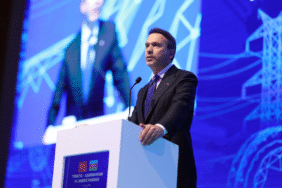

Hakan Aran, General Manager of Türkiye İş Bankası, shared key projections regarding the country’s economic outlook during a recent statement, highlighting anticipated trends in inflation and monetary policy. According to Aran, the bank expects inflation to settle at around 29 percent by the end of 2025, a significant indicator of the central bank’s ongoing disinflation strategy.
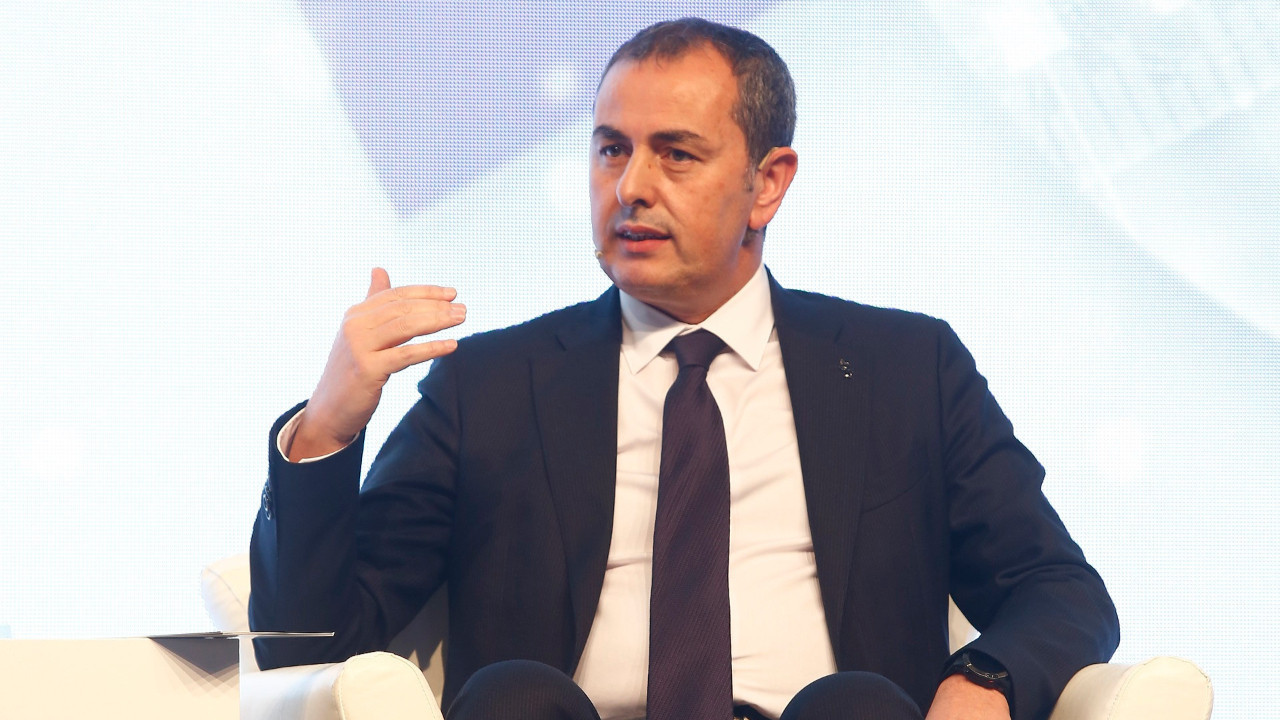
Tight Monetary Policy Expected to Ease by Mid-Year
Speaking on the broader direction of monetary policy, Aran emphasized that a shift toward normalization is expected by May, following a prolonged period of tight financial conditions. “We plan to see the policy interest rate stabilizing at around 35 percent,” he said, indicating that current rates — which have remained elevated to combat inflation — are likely to be gradually reduced or held steady at more sustainable levels.
This projection aligns with growing expectations that Türkiye’s Central Bank may begin easing once inflation shows clearer signs of structural decline, especially amid a tighter fiscal stance and improving external balances.
Market Implications of the 29 Percent Inflation Estimate
The forecasted 29 percent inflation figure — while still high by international standards — represents a notable improvement over previous years and suggests that disinflation measures are gradually taking effect. This estimate is critical for both domestic investors and international stakeholders, as it reflects confidence in the country’s economic stabilization roadmap.
Financial markets are closely monitoring these signals, particularly those related to lending conditions, investment flows, and consumer purchasing power. A controlled inflation path could reinvigorate credit markets and support a rebound in private sector growth.
Banking Sector Perspective on Policy Rate Levels
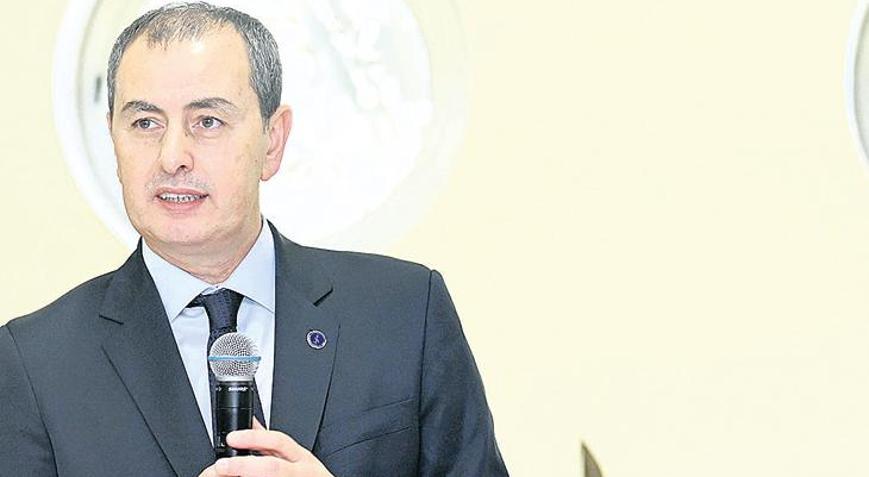
Aran’s comments on the policy rate — expected to hover around 35 percent — provide insight into how major financial institutions are aligning their strategies with Türkiye’s macroeconomic priorities. For banks, the cost of funding, loan pricing, and credit appetite are all directly influenced by the central bank’s interest rate trajectory.
By anticipating a moderate normalization in monetary policy, İş Bankası is likely preparing for a financial environment that balances inflation control with the need to stimulate real economic activity.