
The southeastern provinces of Türkiye are entering a transformative phase as industrial investments in the region begin to unlock their full potential. According to industry leader Celal Kadooğlu, one of the primary engines driving this momentum is cross-border trade with Middle Eastern markets—particularly with Syria.
While exports to Iraq, traditionally a key partner, have seen a relative slowdown this year, the Syrian market is showing signs of a significant rebound. Sectors like agriculture, especially grains, are leading the charge, reflecting a shift in regional dynamics and an opportunity for renewed economic engagement.

Grain Exports to Syria Surge Nearly 37 Percent in First Half of 2025
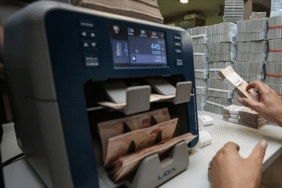
In the first six months of the year, Türkiye’s grain exports to Syria grew by an impressive 36.8%, reaching $173.7 million. This sector, already dominant in nationwide exports, has become the backbone of trade between Syria and Türkiye’s Southeastern Anatolia Region.
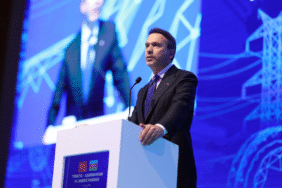
Kadooğlu emphasized that the grain sector’s performance is a clear indicator of how localized production strengths can align with regional demand. “We are witnessing strong traction in the Syrian market, especially in essential goods like grains,” he said.
This growth not only benefits farmers and processors in Türkiye but also strengthens Türkiye’s position as a reliable supplier in a region still recovering from years of instability.
Beyond Geopolitics: Logistics, Demand, and Policy Shape the Landscape
Kadooğlu highlighted that each sector operates under its own set of challenges and influences. From shifting demand and regulatory changes to logistical bottlenecks and international competition, a variety of factors can shape the trajectory of export performance.
As the head of the Türkiye Exporters Assembly’s (TİM) Syria Desk, Kadooğlu emphasized the importance of staying closely attuned to conditions on the ground. “We carefully evaluate all feedback we receive from exporters in the field. We are in constant coordination with the Ministry of Trade and other stakeholders,” he noted.
This proactive engagement aims to eliminate operational barriers and foster a more predictable export environment—especially for firms navigating post-conflict markets like Syria.
Signs of Stabilization in Syria Could Reshape Regional Trade
Despite the enduring complexities in Syria, there are growing indications of stabilization. The gradual easing of certain international sanctions and improvements in local governance have already contributed to increased commercial activity.
Kadooğlu remains optimistic about future prospects, provided that key structural challenges are addressed. “As the effects of the civil war continue to wane and some restrictions are relaxed, we expect to see sustained growth in trade volumes,” he said.
He also pointed to specific areas that require attention: a more stable and secure operating environment, integration of Syria’s banking system into the international financial framework, and strengthened logistics infrastructure. Together, these improvements could dramatically expand the scope and scale of Türkiye-Syria trade.
Industrial Investment as a Catalyst for Regional Empowerment
The growing export volumes are part of a larger transformation unfolding across Türkiye’s southeast. With increased industrial capacity, the region is becoming a production powerhouse—offering everything from agricultural goods to finished consumer products for nearby markets.
As these provinces ramp up output, their geographical proximity to the Middle East offers a natural export advantage. Syria, as both a neighboring country and a recovering market, represents a valuable destination for goods that meet essential and immediate needs.

Strategic Collaboration Fuels Optimism
One of the defining aspects of Türkiye’s export strategy is its focus on public-private collaboration. TİM’s Syria Desk, working closely with trade officials and logistics providers, is helping to align national policy with on-the-ground realities. This ensures that exporters have access to both the information and infrastructure they need to operate efficiently.
In Kadooğlu’s view, the coming months will be critical. If improvements in Syria continue, and if Türkiye can maintain its pace of investment and policy coordination, the current export momentum may not just be sustained—it could accelerate.
The Road Ahead for Southeastern Türkiye’s Trade Expansion
While challenges remain, the surge in grain exports and renewed interest in the Syrian market point to a broader trend of economic re-engagement. Türkiye’s Southeastern Region—once viewed mainly as a domestic industrial base—is now asserting itself as a dynamic player in international trade.
If logistics, finance, and diplomacy continue to move in a favorable direction, the Türkiye-Syria trade corridor could emerge as one of the most strategically vital in the region. The story of Southeastern Türkiye’s industrial revival may, in fact, become a case study in how targeted investment and regional diplomacy can reshape economic outcomes.
And at the heart of it all lies a simple truth: where there is demand, resilience, and vision, trade will follow.