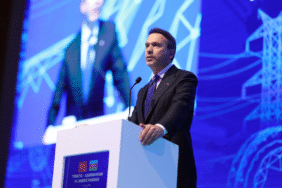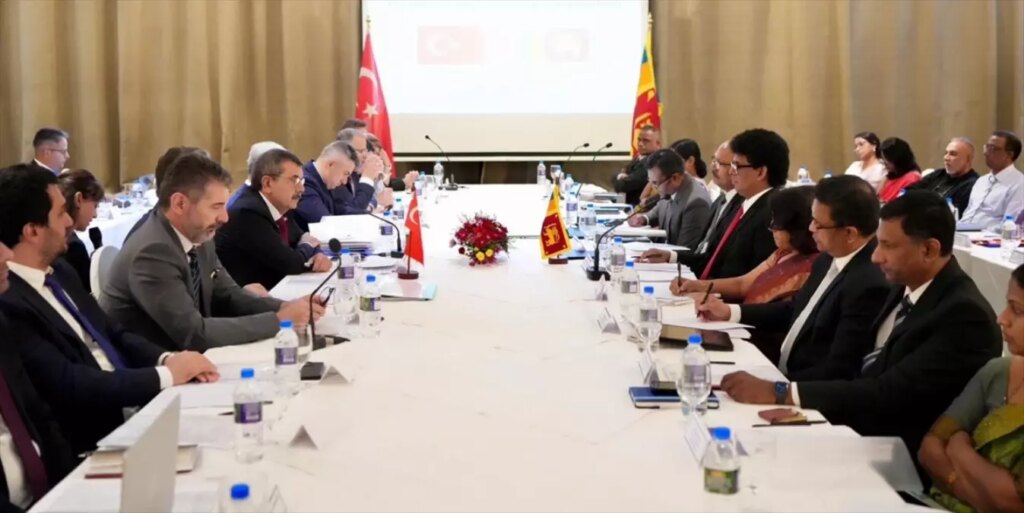

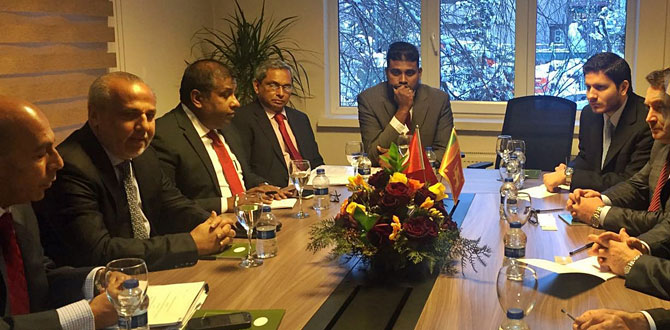
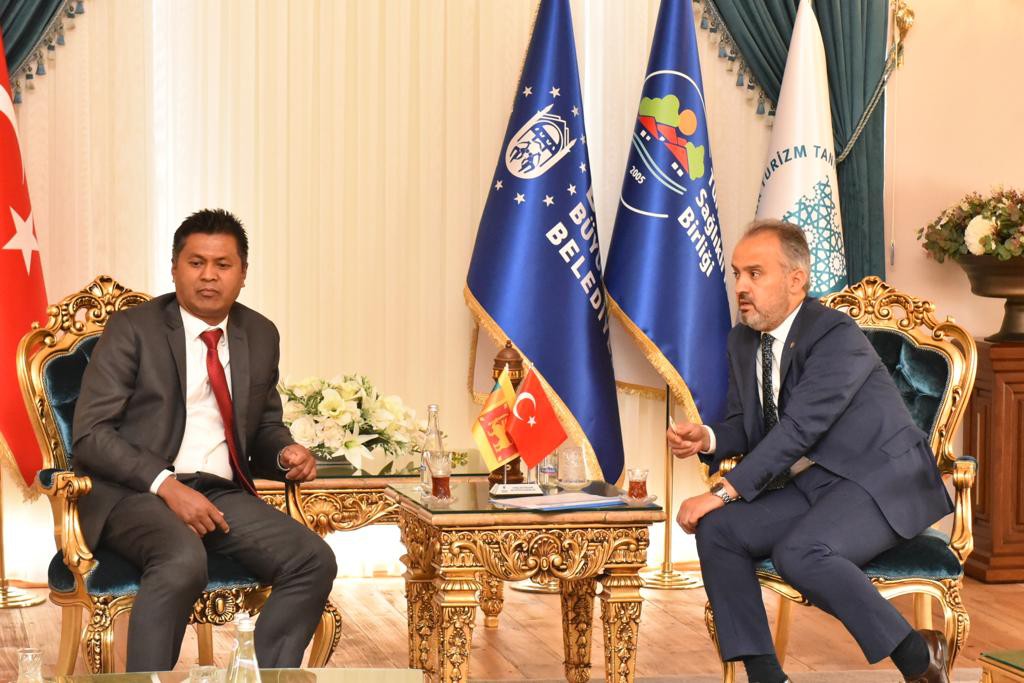
In a move to strengthen diplomatic and economic relations across South Asia, Türkiye and Sri Lanka held the Third Meeting of the Joint Economic and Technical Cooperation Commission in Colombo, led by Türkiye’s Minister of National Education Yusuf Tekin and Sri Lanka’s Minister of Trade, Food Security, and Cooperation Wasantha Samarasinghe. The high-level gathering marked a turning point in the bilateral relations of the two nations, emphasizing strategic alignment, economic diversification, and technical partnership.
The event signals Türkiye’s deepening commitment to fostering regional integration in the Indo-Pacific and South Asia regions, while reinforcing Sri Lanka’s growing interest in forging broader ties with influential emerging economies.
Shared Vision in a Transforming Global Economy
Speaking at the opening session, Minister Tekin highlighted the global economic transformation currently underway. He noted that recent years have witnessed unprecedented complexity in international trade and economic structures due to regional instability and geopolitical uncertainties.
“As the Republic of Türkiye, we prefer to build all our relationships on the foundations of democracy, human rights, and peace,” Tekin stated, affirming Türkiye’s values-based diplomacy approach.
He also stressed that Türkiye regards its partnership with Sri Lanka as strategically important, particularly in an era where multilateral trade mechanisms and economic alliances are being re-evaluated.
Growing Bilateral Engagement in Recent Years
Minister Tekin recounted the progression of bilateral ties over the past 15 years. The opening of embassies, the launch of the Colombo Trade Counselor Office, and the initiation of Turkish Airlines direct flights in 2023 have laid the groundwork for deeper cooperation.
These developments have contributed to growing awareness and interest between the public and business communities of both countries, paving the way for more robust people-to-people and business-to-business engagement.
“We are pleased to see increased mutual interest in both public and private sectors,” Tekin added.
Expanding Trade Beyond Basic Commodities
Current trade between Türkiye and Sri Lanka remains largely centered on tea, rubber, textile products, and wheat flour. However, both sides agree that this limited scope fails to capture the true potential of their economies.
Minister Tekin emphasized that trade and cooperation should expand into sectors such as:
Education
Healthcare
Culture and tourism
Industry and energy
Agriculture and transportation
Disaster response and climate resilience
Defense and maritime cooperation
Türkiye aims to position Sri Lanka not just as a trading partner, but as a strategic gateway at the intersection of vital maritime routes. This vision includes providing development support and contributing to Sri Lanka’s broader economic ambitions.
Defense Industry Identified as a Key Growth Area
In a notable statement, Minister Tekin emphasized the potential of Türkiye’s rapidly developing defense industry as an area of collaboration. Türkiye’s advancements in combat aircraft, unmanned aerial vehicles (UAVs), armored vehicles, communication, and radar systems have positioned it as a competitive global supplier.
“The defense industry stands out as one of the sectors that can significantly enhance our bilateral cooperation,” he said.
Given Türkiye’s proven expertise in defense production and technology, joint initiatives with Sri Lanka could lead to knowledge transfer, joint manufacturing, and military training programs.
Moving from Frameworks to Concrete Projects
One of the core aims of the Third Commission Meeting was to translate bilateral potential into concrete projects. Minister Tekin noted that several draft agreements—ranging from investment protection protocols to education and agricultural cooperation memorandums—are now being prioritized for swift implementation.
“We hope to begin the agreement on mutual investment protection without delay under Sri Lanka’s new investment laws,” he said.
“Likewise, we expect to sign and activate cooperation agreements in education and agriculture during our talks today.”
By streamlining bureaucratic processes and aligning with Sri Lanka’s evolving legal frameworks, Türkiye aims to accelerate public and private sector engagement across sectors.
Türkiye’s Economic Strength and Global Reach as a Resource
Minister Tekin underlined Türkiye’s global position as a leader in tourism and health infrastructure, suggesting that Turkish companies could play an essential role in boosting Sri Lanka’s hospitality, health, and wellness sectors.
He also identified high-potential collaboration areas such as:
Software development
Financial technology
Construction and infrastructure
Sea transportation and logistics
Fisheries and marine research
With experience in these sectors and a growing base of internationally competitive companies, Türkiye is well-positioned to support Sri Lanka’s economic diversification goals.
Educational and Cultural Bridges for Long-Term Impact
Education remains a cornerstone of Türkiye’s international soft power. Minister Tekin highlighted that around 300,000 international students are currently enrolled in Turkish higher education institutions.
Türkiye’s Maarif Foundation, now active in over 50 countries, is expanding education access and offering Sri Lankan students new opportunities for academic advancement.
“We are ready to welcome more students from Sri Lanka to pursue higher education in Türkiye,” Tekin stated.
These educational bridges are vital in fostering cultural understanding, technological collaboration, and future leadership networks between the two nations.
Türkiye’s Diplomatic Perspective on Sustainable Development
Concluding his remarks, Minister Tekin reiterated that Türkiye’s goal is to support its partner countries in becoming regionally stable, economically strong, and politically resilient nations.
“With this vision, we want to help shape long-term partnerships rooted in respect, mutual benefit, and strategic cooperation,” he said.
The outcomes of the meeting are expected to create a roadmap for bilateral engagement, with both countries eager to translate mutual goodwill into actionable policies and impactful partnerships.