
Türkiye’s natural gas import volume saw a significant year-on-year rise in May 2025, with data from the Energy Market Regulatory Authority (EPDK) revealing a 22.79 percent increase compared to the same month last year. The increase comes amid a broader surge in national consumption and a steep drop in natural gas storage reserves.
According to EPDK’s monthly energy report, Türkiye imported a total of 3.36 billion standard cubic meters (Sm³) of natural gas in May 2025, up from 2.88 billion Sm³ in May 2024.
Pipeline Gas Dominates Imports While LNG Retains Strategic Role
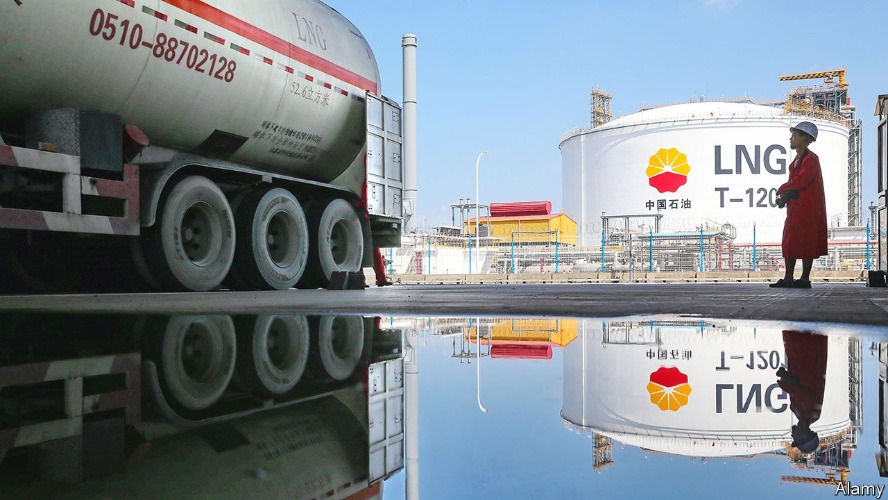
Out of the total imports, 3.16 billion Sm³ (approximately 89.32 percent) were delivered via pipelines, while 377.81 million Sm³ (10.68 percent) came in the form of Liquefied Natural Gas (LNG).
Türkiye’s pipeline suppliers during the period included:
Russia
Azerbaijan
Iran
Turkmenistan
Meanwhile, LNG shipments arrived primarily from the United States and Algeria, maintaining Türkiye’s diversified gas import strategy that balances long-term contracts with flexible spot market purchases.
The higher share of pipeline gas reflects the impact of stable contractual flows, particularly from Russia and Azerbaijan, even amid shifting global energy dynamics.
Domestic Production and Export on the Rise
Notably, Türkiye’s domestic natural gas production increased by 56.02 percent year-on-year, reaching 296.22 million Sm³ in May. This surge is largely attributed to enhanced output from the Black Sea Sakarya Gas Field, which came online in 2023 and has since gradually expanded capacity.
Exports also rose, with Türkiye shipping out 156.78 million Sm³ of gas—a 27.54 percent increase over the same period last year. This reflects Türkiye’s strategic ambitions to become a regional energy hub by reselling gas to neighboring markets such as Bulgaria, Hungary, and Greece through new interconnection agreements.
Consumption Surges Over 28 Percent, Driven by Industry and Power Generation
Türkiye’s natural gas consumption jumped 28.04 percent in May to reach 4.09 billion Sm³, up from 3.19 billion Sm³ in May 2024. Analysts attribute this growth to several factors:
Higher demand from natural gas-fired power plants due to reduced hydroelectric output
Increased usage in the industrial sector amid economic expansion
Rising residential demand due to delayed seasonal temperature changes
While such consumption spikes are not unusual during transitional months, the magnitude of this increase signals a growing reliance on gas for Türkiye’s energy mix—despite efforts to diversify toward renewables.
Storage Reserves Decline Sharply
Perhaps the most concerning trend is the notable depletion of natural gas storage levels. As of the end of April, Türkiye’s gas storage stood at 2.50 billion Sm³, down 35.07 percent from 3.86 billion Sm³ at the same time last year.
Decreasing storage levels raise concerns about energy security, particularly as Türkiye approaches the upcoming winter season. The drop may also reflect increased withdrawals to meet growing domestic demand, combined with delayed or insufficient injections from suppliers.
Türkiye operates key storage facilities in Silivri and Tuz Gölü, both of which are undergoing capacity upgrades. However, analysts warn that if stockpiling does not accelerate in the coming months, Türkiye could face supply pressure during peak seasonal demand.
Strategic Implications for Energy Policy
The rising import and consumption figures, alongside shrinking storage levels, underscore several critical trends in Türkiye’s energy landscape:
Continued reliance on imports despite growing domestic production
Geopolitical vulnerabilities tied to pipeline sources like Russia and Iran
Need for enhanced LNG infrastructure to leverage global spot markets more effectively
Urgent necessity to rebuild gas storage before winter 2025
Policymakers may need to reassess the balance between consumption, production, and storage to ensure long-term energy security. Accelerating investments in renewable energy, hydrogen projects, and cross-border interconnectors will also play a critical role in reducing volatility.

Türkiye’s Role in Regional Energy Flows
Türkiye’s energy diplomacy has gained traction in recent years. The country has positioned itself as a bridge between East and West, offering transit routes for Caspian and Middle Eastern gas to Europe. With the Trans-Anatolian Natural Gas Pipeline (TANAP) and new LNG terminal projects, Türkiye’s import strategy has become more flexible.
Yet, the recent surge in gas consumption and reduced reserves highlight the risks of being a net importer. Türkiye remains vulnerable to global price swings, contractual disputes, and supply chain disruptions—especially in a region marked by geopolitical volatility.
Looking Ahead: What to Watch
Over the next quarter, key areas to monitor in Türkiye’s natural gas sector include:
Pace of injections into storage facilities
Updates on Sakarya gas field expansion and capacity
Additional LNG supply contracts or floating storage regasification units (FSRUs)
Policy shifts around residential and industrial gas tariffs
Intergovernmental agreements affecting import routes and flexibility
The coming months will be crucial in determining whether Türkiye can stabilize its supply-demand equation and prepare adequately for winter consumption surges.